Thailand’s Electric Vehicle Push Raises Questions Over Future of Battery Recycling
As EV adoption accelerates, attention turns to managing spent batteries and building sustainable systems
Thailand’s ambitious expansion into electric vehicles is prompting closer examination of how the country will manage the growing volume of spent batteries, as policymakers and industry leaders work to ensure long-term sustainability.
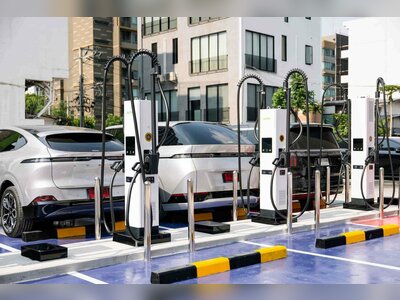
With strong government backing and increasing investment, Thailand is positioning itself as a regional leader in electric vehicle production and adoption.
As the number of EVs rises, so too does the need for effective systems to handle batteries at the end of their lifecycle.
Experts highlight that EV batteries, while durable, eventually degrade and must be either recycled or repurposed.
Developing a comprehensive framework for collection, processing and reuse is seen as essential to supporting the country’s green transition.
Thailand has begun exploring solutions including battery recycling facilities, second-life applications such as energy storage, and partnerships with international technology providers.
These initiatives aim to maximise resource efficiency while minimising environmental impact.
Regulatory planning is also advancing, with authorities considering guidelines to ensure safe disposal and encourage investment in recycling infrastructure.
Establishing clear standards is expected to attract private sector participation and strengthen the overall ecosystem.
Industry participants note that managing battery waste effectively can also create new economic opportunities, including the recovery of valuable materials such as lithium, nickel and cobalt.
This could support domestic supply chains and reduce reliance on imported resources.
As Thailand continues to expand its EV sector, the development of a robust battery management system will be critical in ensuring that growth remains both environmentally responsible and economically sustainable.
With strong government backing and increasing investment, Thailand is positioning itself as a regional leader in electric vehicle production and adoption.
As the number of EVs rises, so too does the need for effective systems to handle batteries at the end of their lifecycle.
Experts highlight that EV batteries, while durable, eventually degrade and must be either recycled or repurposed.
Developing a comprehensive framework for collection, processing and reuse is seen as essential to supporting the country’s green transition.
Thailand has begun exploring solutions including battery recycling facilities, second-life applications such as energy storage, and partnerships with international technology providers.
These initiatives aim to maximise resource efficiency while minimising environmental impact.
Regulatory planning is also advancing, with authorities considering guidelines to ensure safe disposal and encourage investment in recycling infrastructure.
Establishing clear standards is expected to attract private sector participation and strengthen the overall ecosystem.
Industry participants note that managing battery waste effectively can also create new economic opportunities, including the recovery of valuable materials such as lithium, nickel and cobalt.
This could support domestic supply chains and reduce reliance on imported resources.
As Thailand continues to expand its EV sector, the development of a robust battery management system will be critical in ensuring that growth remains both environmentally responsible and economically sustainable.