Thailand's Inflation Dynamics: A Complex Economic Balancing Act
November Sees a Rise in Inflation, Driven by Diesel and Food Costs Amid Global Economic Pressures
Thailand's economic landscape is once again confronted with the specter of rising inflation, as November's headline inflation rate ticked up by nearly one percent, according to recent data from the Trade Policy and Strategy Office.
The key drivers behind this uptick are significant increases in diesel prices and surges in the cost of food and beverages, elements that weigh heavily on both consumer wallets and governmental policy decisions.
The consumer price index (CPI), the benchmark tool for tracking inflation, reached a reading of 108.47 in November, up from 107.45 in the same period last year.
Poonpong Naiyanapakorn, the director-general of the Trade Policy and Strategy Office, elaborated on the contributing factors, highlighting the role of volatile oil markets and supply chain disruptions that have escalated costs for everyday staples, such as fruit.
This inflationary pressure is not occurring in isolation.
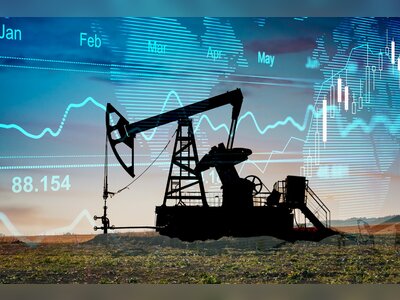
The global economy is undergoing profound shifts, with energy markets particularly feeling the squeeze as geopolitical tensions and OPEC’s production strategies impact oil prices globally.
Thailand, as an energy-importing nation, finds itself particularly vulnerable to these external shocks, compelling policymakers to tread carefully.
Yet, the domestic ramifications extend beyond energy.
The interplay of global supply chains facing bottlenecks since the onset of the pandemic continues to ripple across Southeast Asia, exacerbating local food prices.
As a critical sector for the Thai economy and a necessity for every household, food costs directly impact the quality of life and consumer spending patterns.
In addressing these multifaceted challenges, the Thai government must consider both short-term alleviation measures and long-term strategic policy.
Efforts to stabilize consumer prices could include subsidies or strategic reserve utilizations.
Meanwhile, fostering agricultural self-sufficiency and innovating energy procurement might offer more sustained solutions.
The current inflationary spike serves as a stark reminder of the inherent vulnerabilities in Thailand's economic architecture, highlighting the need for diversified strategies to buffer against endemic volatility in energy and food prices.
As Thailand navigates these troubled waters, maintaining economic stability without stifling growth becomes imperative, necessitating a deft blend of immediate and forward-thinking economic policies.
The key drivers behind this uptick are significant increases in diesel prices and surges in the cost of food and beverages, elements that weigh heavily on both consumer wallets and governmental policy decisions.
The consumer price index (CPI), the benchmark tool for tracking inflation, reached a reading of 108.47 in November, up from 107.45 in the same period last year.
Poonpong Naiyanapakorn, the director-general of the Trade Policy and Strategy Office, elaborated on the contributing factors, highlighting the role of volatile oil markets and supply chain disruptions that have escalated costs for everyday staples, such as fruit.
This inflationary pressure is not occurring in isolation.
The global economy is undergoing profound shifts, with energy markets particularly feeling the squeeze as geopolitical tensions and OPEC’s production strategies impact oil prices globally.
Thailand, as an energy-importing nation, finds itself particularly vulnerable to these external shocks, compelling policymakers to tread carefully.
Yet, the domestic ramifications extend beyond energy.
The interplay of global supply chains facing bottlenecks since the onset of the pandemic continues to ripple across Southeast Asia, exacerbating local food prices.
As a critical sector for the Thai economy and a necessity for every household, food costs directly impact the quality of life and consumer spending patterns.
In addressing these multifaceted challenges, the Thai government must consider both short-term alleviation measures and long-term strategic policy.
Efforts to stabilize consumer prices could include subsidies or strategic reserve utilizations.
Meanwhile, fostering agricultural self-sufficiency and innovating energy procurement might offer more sustained solutions.
The current inflationary spike serves as a stark reminder of the inherent vulnerabilities in Thailand's economic architecture, highlighting the need for diversified strategies to buffer against endemic volatility in energy and food prices.
As Thailand navigates these troubled waters, maintaining economic stability without stifling growth becomes imperative, necessitating a deft blend of immediate and forward-thinking economic policies.