Thailand Tightens Durian Quality Rules as 150-Billion-Baht Export Industry Faces Rising Pressure
New inspection and safety standards aim to protect Thailand’s dominant durian export market amid concerns over contamination, competition, and China’s stricter import enforcement
SYSTEM-DRIVEN — The story is driven by regulatory tightening in Thailand’s agricultural export system, specifically the durian industry, where state quality controls are being strengthened to protect a major export revenue stream under rising foreign inspection pressure.
Thailand is intensifying quality and safety controls on its durian exports, a sector valued at roughly 150 billion baht annually, as authorities respond to growing scrutiny from key importing markets and heightened competition from regional producers.
The move targets one of the country’s most lucrative agricultural export industries, which has become increasingly dependent on strict compliance with foreign food safety standards.
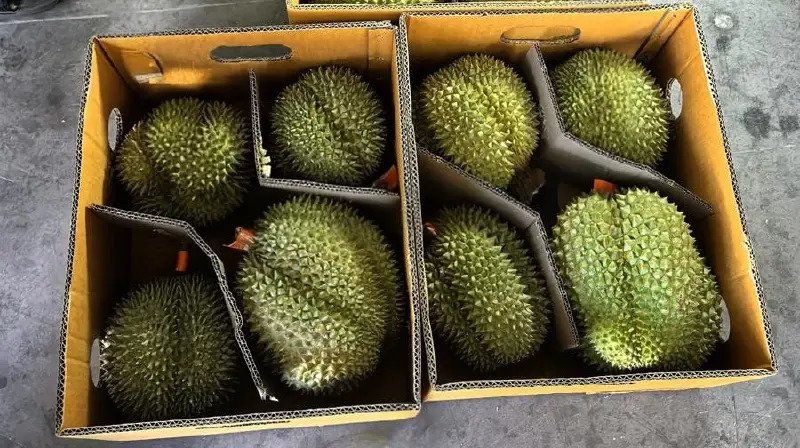
What is confirmed is that Thai agricultural authorities have introduced stronger inspection protocols for durian production, packing facilities, and export certification processes.
These measures include tighter monitoring of chemical residues, improved traceability systems, and more rigorous screening before shipments are approved for export.
The focus is on ensuring compliance with importing countries’ safety thresholds, particularly in Asia’s largest fruit market.
The key issue driving the policy shift is the growing sensitivity of import regulations, especially in China, which accounts for the majority of Thailand’s durian exports.
In recent years, Chinese customs authorities have increased testing frequency and tightened permissible residue limits for agricultural imports, creating a higher risk of shipment rejections if standards are not consistently met.
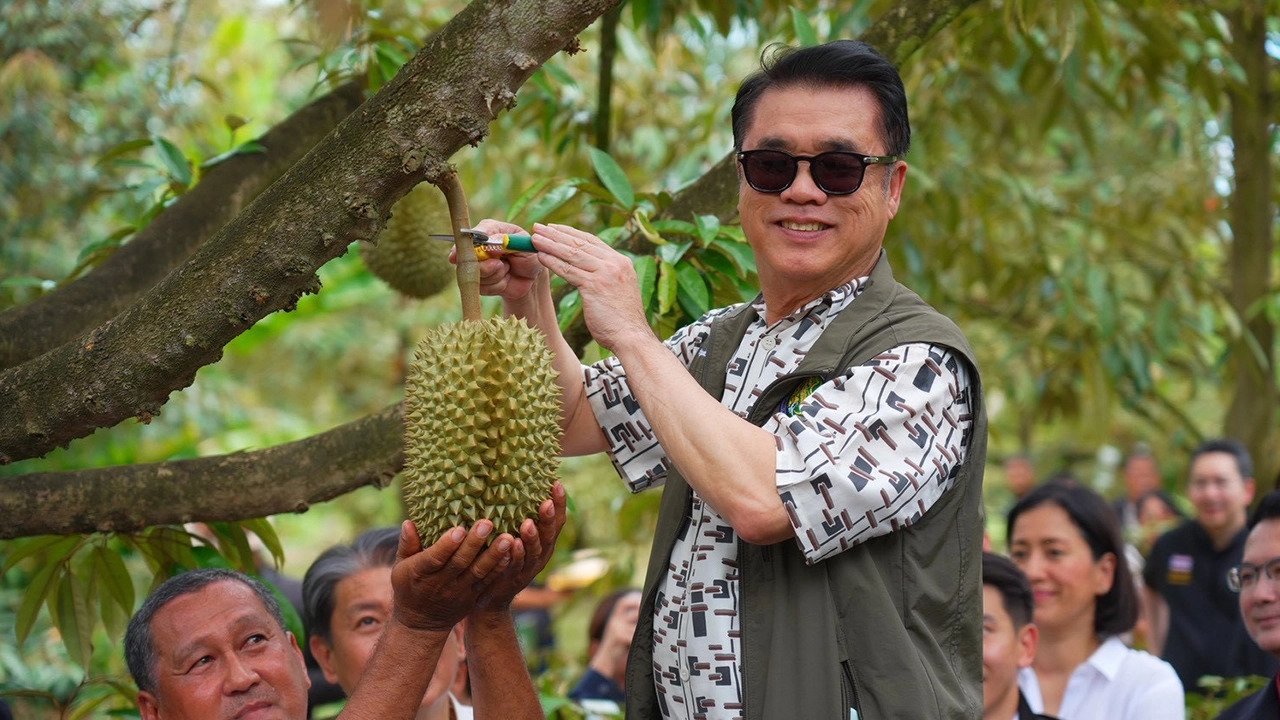
Durian has become a central pillar of Thailand’s agricultural export economy, with production concentrated in eastern and southern provinces.
The fruit’s high market value and seasonal demand have encouraged rapid expansion of cultivation, including intensified farming practices that have raised concerns about pesticide use, soil management, and quality consistency across suppliers.
The tightening of standards is designed to address reputational risk as well as compliance risk.
Even isolated cases of contamination or rejected shipments can affect confidence in Thai produce as a whole, potentially impacting prices, long-term contracts, and Thailand’s position as the dominant global supplier of premium durian.
A major structural challenge is fragmentation in the supply chain.
Thousands of small and medium-scale growers feed into a network of middlemen, packing houses, and exporters.
This structure makes uniform enforcement difficult and increases the likelihood of inconsistent quality control unless centralized inspection systems are strictly applied.
The policy also reflects broader competition across Southeast Asia.
Countries such as Vietnam and Malaysia are expanding their own durian production and export capacity, creating competitive pressure on Thailand to maintain both volume leadership and quality credibility in global markets.
For exporters, the new standards mean higher compliance costs, including upgraded testing procedures, certification requirements, and stricter farm-level documentation.
While these measures may increase operational burden in the short term, they are intended to protect long-term market access and price stability.
The stakes are significant.
Durian has become one of Thailand’s most valuable agricultural export products, supporting rural incomes, export revenues, and logistics industries.
Any disruption in market access or reputational damage could have immediate economic consequences across multiple supply chain levels.
The policy direction signals a shift from expansion-focused production toward compliance-driven export management, where maintaining access to high-value foreign markets depends on consistent enforcement of agricultural standards from farm to shipment.
Thailand is intensifying quality and safety controls on its durian exports, a sector valued at roughly 150 billion baht annually, as authorities respond to growing scrutiny from key importing markets and heightened competition from regional producers.
The move targets one of the country’s most lucrative agricultural export industries, which has become increasingly dependent on strict compliance with foreign food safety standards.
What is confirmed is that Thai agricultural authorities have introduced stronger inspection protocols for durian production, packing facilities, and export certification processes.
These measures include tighter monitoring of chemical residues, improved traceability systems, and more rigorous screening before shipments are approved for export.
The focus is on ensuring compliance with importing countries’ safety thresholds, particularly in Asia’s largest fruit market.
The key issue driving the policy shift is the growing sensitivity of import regulations, especially in China, which accounts for the majority of Thailand’s durian exports.
In recent years, Chinese customs authorities have increased testing frequency and tightened permissible residue limits for agricultural imports, creating a higher risk of shipment rejections if standards are not consistently met.
Durian has become a central pillar of Thailand’s agricultural export economy, with production concentrated in eastern and southern provinces.
The fruit’s high market value and seasonal demand have encouraged rapid expansion of cultivation, including intensified farming practices that have raised concerns about pesticide use, soil management, and quality consistency across suppliers.
The tightening of standards is designed to address reputational risk as well as compliance risk.
Even isolated cases of contamination or rejected shipments can affect confidence in Thai produce as a whole, potentially impacting prices, long-term contracts, and Thailand’s position as the dominant global supplier of premium durian.
A major structural challenge is fragmentation in the supply chain.
Thousands of small and medium-scale growers feed into a network of middlemen, packing houses, and exporters.
This structure makes uniform enforcement difficult and increases the likelihood of inconsistent quality control unless centralized inspection systems are strictly applied.
The policy also reflects broader competition across Southeast Asia.
Countries such as Vietnam and Malaysia are expanding their own durian production and export capacity, creating competitive pressure on Thailand to maintain both volume leadership and quality credibility in global markets.
For exporters, the new standards mean higher compliance costs, including upgraded testing procedures, certification requirements, and stricter farm-level documentation.
While these measures may increase operational burden in the short term, they are intended to protect long-term market access and price stability.
The stakes are significant.
Durian has become one of Thailand’s most valuable agricultural export products, supporting rural incomes, export revenues, and logistics industries.
Any disruption in market access or reputational damage could have immediate economic consequences across multiple supply chain levels.
The policy direction signals a shift from expansion-focused production toward compliance-driven export management, where maintaining access to high-value foreign markets depends on consistent enforcement of agricultural standards from farm to shipment.