Thailand Weighs Deportation of Wanted ‘Hong Kong Parliament’ Member Amid Security and Diplomatic Pressure
A detained activist linked to an unrecognized pro-democracy group faces possible removal from Thailand, highlighting the reach of Hong Kong’s national security enforcement beyond its borders.
An immigration and security case in Thailand involving a wanted Hong Kong activist is drawing attention to the cross-border reach of enforcement actions tied to Hong Kong’s national security framework and the growing coordination between regional law enforcement agencies.
What is confirmed is that Thai authorities have detained a man identified as a member of the self-styled “Hong Kong Parliament,” an unrecognized overseas pro-democracy organization formed by exiled activists advocating for political reform in Hong Kong.
The individual is reported to be wanted by Hong Kong authorities under allegations related to national security offenses, which typically include accusations such as subversion, secession, or collusion with foreign forces.
Thai immigration authorities are now considering deportation proceedings, a process that would involve assessing both immigration violations and external requests for extradition or removal.
In cases involving politically sensitive charges, such decisions are shaped not only by domestic immigration law but also by diplomatic relations and potential legal risks for the individual if returned to the requesting jurisdiction.
The case reflects an expanding pattern in which individuals associated with Hong Kong’s overseas activist networks face legal and immigration pressure outside China.
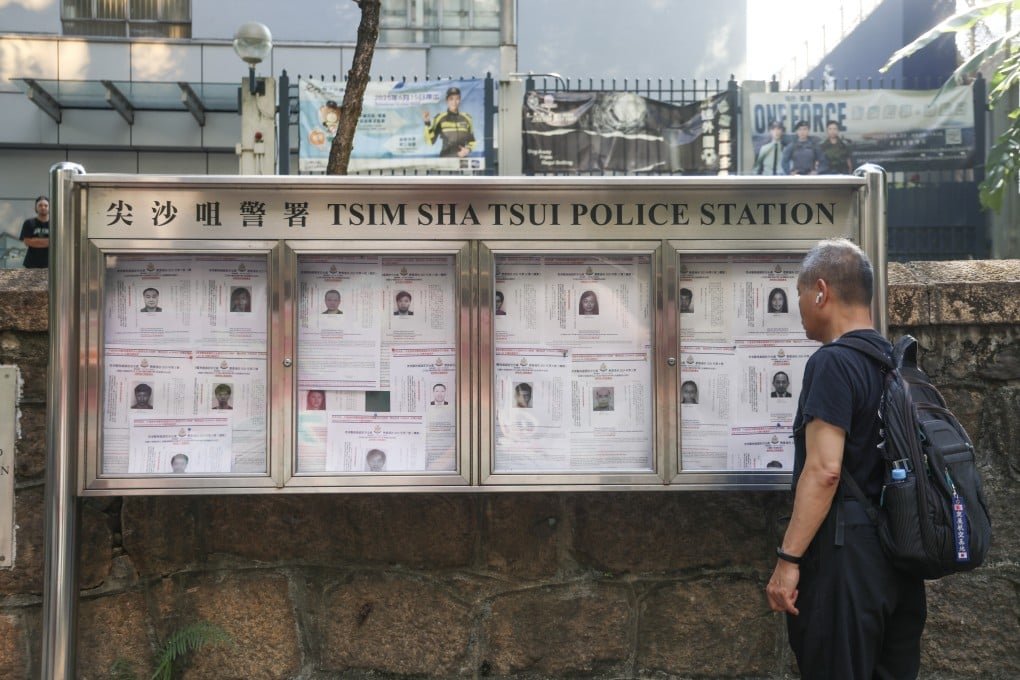
Following the implementation of the Hong Kong national security law in 2020, authorities in Hong Kong have issued warrants and bounty notices for activists based abroad, some of whom have subsequently faced restrictions on travel, banking, or residency in third countries.
What is newly emerging in this case is the possibility that Thailand could become a venue for enforcing or aligning with Hong Kong-linked security requests, even though Thailand is not a formal party to Hong Kong’s legal system.
Deportation decisions in such cases are typically governed by Thai immigration law and international cooperation mechanisms, including bilateral agreements and informal law enforcement coordination.
Human rights organizations have repeatedly warned that deportations involving politically charged accusations can expose individuals to prosecution under laws that may carry severe penalties.
Hong Kong authorities, however, maintain that national security offenses are criminal matters unrelated to political expression and should be enforced consistently regardless of where suspects are located.
The “Hong Kong Parliament” itself is not recognized as a legitimate governmental institution by any sovereign state and operates as an advocacy group formed by exiled activists.
Its members have been among those targeted by Hong Kong’s extraterritorial arrest warrants, which extend to individuals accused of organizing or participating in overseas political activities deemed illegal under the national security law.
If Thailand proceeds with deportation, the case would underscore the practical limits of asylum and refuge for activists accused under national security frameworks, particularly in jurisdictions that maintain close security or economic ties with China.
If it does not, it may signal a more cautious approach to politically sensitive extradition requests.
The detained individual remains in Thai custody while authorities review legal and diplomatic considerations that will determine whether he is deported, allowed to remain, or subject to further legal proceedings within Thailand.
What is confirmed is that Thai authorities have detained a man identified as a member of the self-styled “Hong Kong Parliament,” an unrecognized overseas pro-democracy organization formed by exiled activists advocating for political reform in Hong Kong.
The individual is reported to be wanted by Hong Kong authorities under allegations related to national security offenses, which typically include accusations such as subversion, secession, or collusion with foreign forces.
Thai immigration authorities are now considering deportation proceedings, a process that would involve assessing both immigration violations and external requests for extradition or removal.
In cases involving politically sensitive charges, such decisions are shaped not only by domestic immigration law but also by diplomatic relations and potential legal risks for the individual if returned to the requesting jurisdiction.
The case reflects an expanding pattern in which individuals associated with Hong Kong’s overseas activist networks face legal and immigration pressure outside China.
Following the implementation of the Hong Kong national security law in 2020, authorities in Hong Kong have issued warrants and bounty notices for activists based abroad, some of whom have subsequently faced restrictions on travel, banking, or residency in third countries.
What is newly emerging in this case is the possibility that Thailand could become a venue for enforcing or aligning with Hong Kong-linked security requests, even though Thailand is not a formal party to Hong Kong’s legal system.
Deportation decisions in such cases are typically governed by Thai immigration law and international cooperation mechanisms, including bilateral agreements and informal law enforcement coordination.
Human rights organizations have repeatedly warned that deportations involving politically charged accusations can expose individuals to prosecution under laws that may carry severe penalties.
Hong Kong authorities, however, maintain that national security offenses are criminal matters unrelated to political expression and should be enforced consistently regardless of where suspects are located.
The “Hong Kong Parliament” itself is not recognized as a legitimate governmental institution by any sovereign state and operates as an advocacy group formed by exiled activists.
Its members have been among those targeted by Hong Kong’s extraterritorial arrest warrants, which extend to individuals accused of organizing or participating in overseas political activities deemed illegal under the national security law.
If Thailand proceeds with deportation, the case would underscore the practical limits of asylum and refuge for activists accused under national security frameworks, particularly in jurisdictions that maintain close security or economic ties with China.
If it does not, it may signal a more cautious approach to politically sensitive extradition requests.
The detained individual remains in Thai custody while authorities review legal and diplomatic considerations that will determine whether he is deported, allowed to remain, or subject to further legal proceedings within Thailand.