Thailand Weighs Visa-Free Stay Cut After Security Concerns Linked to Foreign Weapons Case
Foreign Minister signals possible reduction of tourist visa-free stay from 60 to 30 days as authorities link policy review to a weapons-related investigation involving foreign actors
Thailand’s government is moving toward tightening its visa-free entry policy, with senior officials indicating that the permitted stay for foreign tourists could be reduced from sixty days to thirty days following a security-linked investigation involving foreign nationals and alleged weapons-related activity.
The development centers on a policy framework that currently allows citizens of dozens of countries to enter Thailand without a visa for up to sixty days for tourism purposes.
That system was expanded in mid-2024 to support post-pandemic tourism recovery and stimulate visitor arrivals, making Thailand one of the more accessible destinations in the region for long-stay tourists.
What is now driving the policy review is concern within the foreign affairs and security establishment that the extended visa-free window has been exploited beyond tourism purposes.
Officials have pointed to cases involving illegal work, transnational criminal activity, and the use of Thailand as a logistical base for operations extending beyond its borders.
The latest trigger, according to government-level messaging, is a case involving weapons-related allegations connected to foreign actors, which has intensified scrutiny of entry and stay rules.
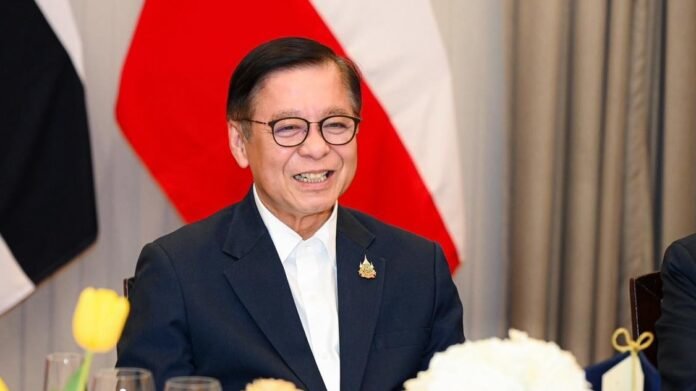
The Foreign Minister has publicly signaled that a reduction from sixty days to thirty days is under serious consideration.
The proposed change would not eliminate visa-free entry but would shorten the initial permitted stay period, potentially requiring more frequent extensions or the use of formal visa channels for longer visits.
Under existing rules, most visa-exempt visitors can already apply for extensions at immigration offices, typically adding additional days beyond the initial entry period.
The proposed adjustment would therefore shift the system from a long automatic stay toward a shorter baseline stay with more reliance on administrative extensions or pre-arranged visas.
The policy debate reflects a broader tension in Thailand’s immigration strategy: balancing its reliance on tourism revenue with rising concerns among security agencies about enforcement gaps.
Authorities have argued that longer visa-free stays increase difficulty in tracking visitor activity, particularly in cases where accommodation reporting is incomplete or where individuals move frequently within the country.
At the same time, tourism stakeholders have historically warned that reducing permitted stays could affect high-spending long-term visitors, digital nomads, and retirees who structure extended travel around Thailand’s current entry rules.
Officials have not presented final implementation details, and any change would require coordinated approval across multiple ministries before becoming enforceable.
For now, the sixty-day visa-free framework remains in place, but the public signal from senior officials marks one of the clearest indications that Thailand is preparing to recalibrate its post-pandemic openness in response to security-linked pressures.
The development centers on a policy framework that currently allows citizens of dozens of countries to enter Thailand without a visa for up to sixty days for tourism purposes.
That system was expanded in mid-2024 to support post-pandemic tourism recovery and stimulate visitor arrivals, making Thailand one of the more accessible destinations in the region for long-stay tourists.
What is now driving the policy review is concern within the foreign affairs and security establishment that the extended visa-free window has been exploited beyond tourism purposes.
Officials have pointed to cases involving illegal work, transnational criminal activity, and the use of Thailand as a logistical base for operations extending beyond its borders.
The latest trigger, according to government-level messaging, is a case involving weapons-related allegations connected to foreign actors, which has intensified scrutiny of entry and stay rules.
The Foreign Minister has publicly signaled that a reduction from sixty days to thirty days is under serious consideration.
The proposed change would not eliminate visa-free entry but would shorten the initial permitted stay period, potentially requiring more frequent extensions or the use of formal visa channels for longer visits.
Under existing rules, most visa-exempt visitors can already apply for extensions at immigration offices, typically adding additional days beyond the initial entry period.
The proposed adjustment would therefore shift the system from a long automatic stay toward a shorter baseline stay with more reliance on administrative extensions or pre-arranged visas.
The policy debate reflects a broader tension in Thailand’s immigration strategy: balancing its reliance on tourism revenue with rising concerns among security agencies about enforcement gaps.
Authorities have argued that longer visa-free stays increase difficulty in tracking visitor activity, particularly in cases where accommodation reporting is incomplete or where individuals move frequently within the country.
At the same time, tourism stakeholders have historically warned that reducing permitted stays could affect high-spending long-term visitors, digital nomads, and retirees who structure extended travel around Thailand’s current entry rules.
Officials have not presented final implementation details, and any change would require coordinated approval across multiple ministries before becoming enforceable.
For now, the sixty-day visa-free framework remains in place, but the public signal from senior officials marks one of the clearest indications that Thailand is preparing to recalibrate its post-pandemic openness in response to security-linked pressures.