
Why Thailand and Cambodia Are Fighting: History, Borders and National Identity Collide
A long-running territorial dispute, rooted in colonial-era maps and national pride, fuels the latest wave of deadly clashes
The renewed fighting between Thailand and Cambodia is the latest chapter in a border conflict shaped by centuries of disputed territory, competing historical claims and powerful nationalist sentiment.
Although the current clashes erupted after a series of military incidents this year, the roots of the crisis extend far deeper — to colonial-era boundary maps and the symbolic importance of ancient temples that both nations see as central to their identities.
The most contentious flashpoint is the area surrounding the Preah Vihear Temple, along with nearby sites such as Ta Muen Thom, where territorial control has never been fully resolved despite a 1962 International Court of Justice ruling granting the temple itself to Cambodia.
The surrounding land, however, was left legally ambiguous, creating recurring opportunities for military escalation when political tensions rise.
This year’s violence began with border skirmishes in the spring, followed by a fatal shooting in May and a landmine incident in November that wounded a Thai soldier.
Each confrontation hardened positions on both sides and eroded trust in mechanisms meant to prevent escalation.
Military exchanges intensified in July, spreading across several disputed zones and causing deaths among both soldiers and civilians.
A ceasefire agreement signed in October — supported by regional partners — briefly raised hopes for stability.
It called for heavy-weapons withdrawal, joint monitoring and gradual demilitarisation of contested areas.
But mistrust persisted, and compliance faltered almost immediately.
By November, the agreement had effectively collapsed, with both sides blaming each other for repeated violations.
Underlying these eruptions is a potent mix of national pride and political pressure.
In both Thailand and Cambodia, defending territorial claims resonates strongly with domestic audiences, making compromise politically difficult.
Analysts note that even minor border incidents can quickly escalate when framed as threats to sovereignty.
As the latest violence continues, the humanitarian toll is growing.
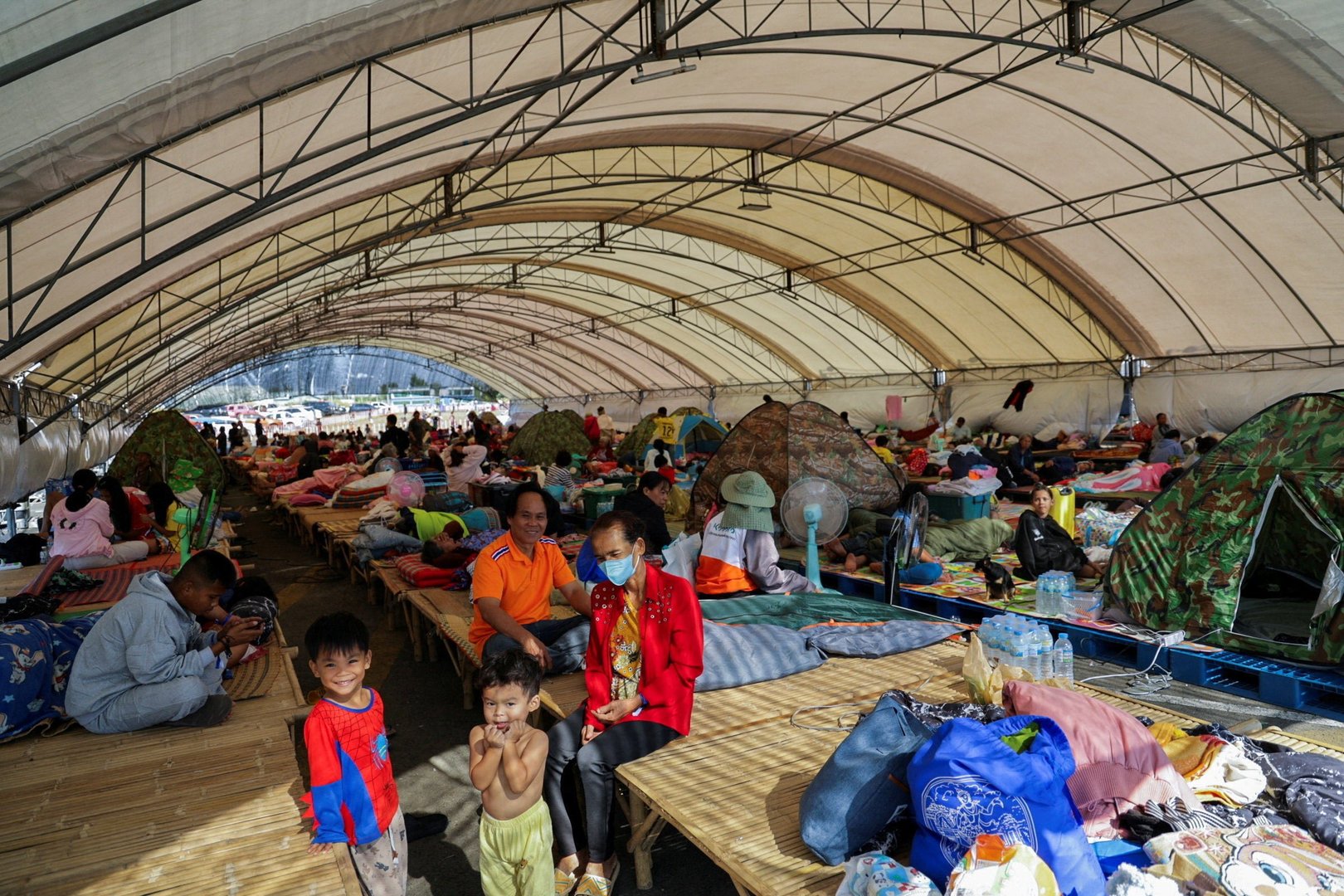
Residents in border communities have fled artillery fire, schools have closed and emergency shelters have been established.
Without a durable framework for dispute resolution and verifiable border demarcation, experts warn that this conflict — periodically dormant but never resolved — is likely to resurface again, driven as much by identity and history as by the land itself.
Although the current clashes erupted after a series of military incidents this year, the roots of the crisis extend far deeper — to colonial-era boundary maps and the symbolic importance of ancient temples that both nations see as central to their identities.
The most contentious flashpoint is the area surrounding the Preah Vihear Temple, along with nearby sites such as Ta Muen Thom, where territorial control has never been fully resolved despite a 1962 International Court of Justice ruling granting the temple itself to Cambodia.
The surrounding land, however, was left legally ambiguous, creating recurring opportunities for military escalation when political tensions rise.
This year’s violence began with border skirmishes in the spring, followed by a fatal shooting in May and a landmine incident in November that wounded a Thai soldier.
Each confrontation hardened positions on both sides and eroded trust in mechanisms meant to prevent escalation.
Military exchanges intensified in July, spreading across several disputed zones and causing deaths among both soldiers and civilians.
A ceasefire agreement signed in October — supported by regional partners — briefly raised hopes for stability.
It called for heavy-weapons withdrawal, joint monitoring and gradual demilitarisation of contested areas.
But mistrust persisted, and compliance faltered almost immediately.
By November, the agreement had effectively collapsed, with both sides blaming each other for repeated violations.
Underlying these eruptions is a potent mix of national pride and political pressure.
In both Thailand and Cambodia, defending territorial claims resonates strongly with domestic audiences, making compromise politically difficult.
Analysts note that even minor border incidents can quickly escalate when framed as threats to sovereignty.
As the latest violence continues, the humanitarian toll is growing.
Residents in border communities have fled artillery fire, schools have closed and emergency shelters have been established.
Without a durable framework for dispute resolution and verifiable border demarcation, experts warn that this conflict — periodically dormant but never resolved — is likely to resurface again, driven as much by identity and history as by the land itself.