
Why Tomorrowland Chose Thailand for Its Expansion Despite Bigger Financial Offers
Event-driven expansion signals Southeast Asia’s rising role in global live entertainment as Thailand competes for high-value cultural tourism events
EVENT-DRIVEN developments in the global live entertainment industry have led Belgian electronic music festival brand Tomorrowland to select Thailand as a new expansion destination, reportedly over competing offers from countries willing to provide larger financial incentives.
What is confirmed is that the decision reflects a strategic prioritization of long-term market potential, infrastructure readiness, and regional audience growth over immediate financial gain.
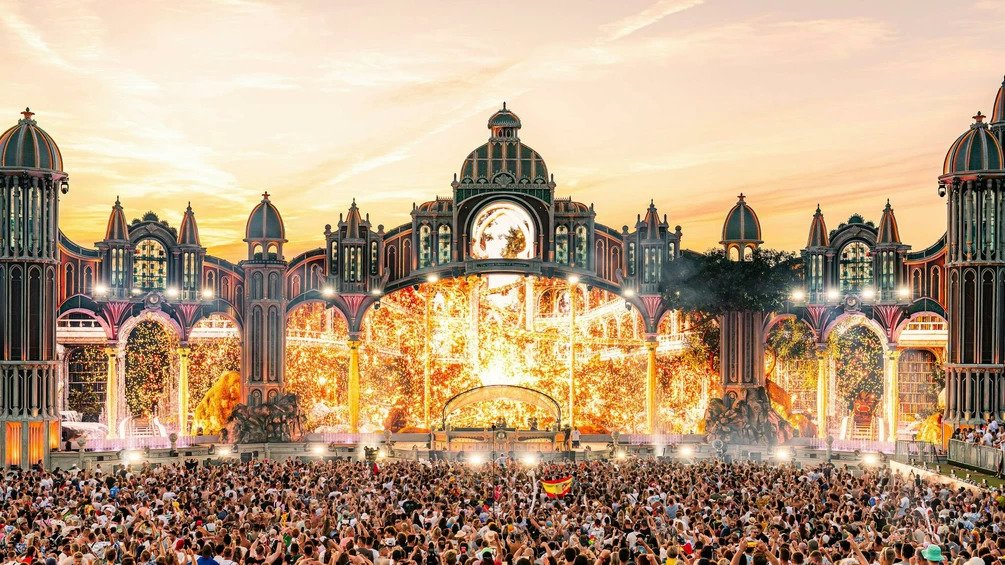
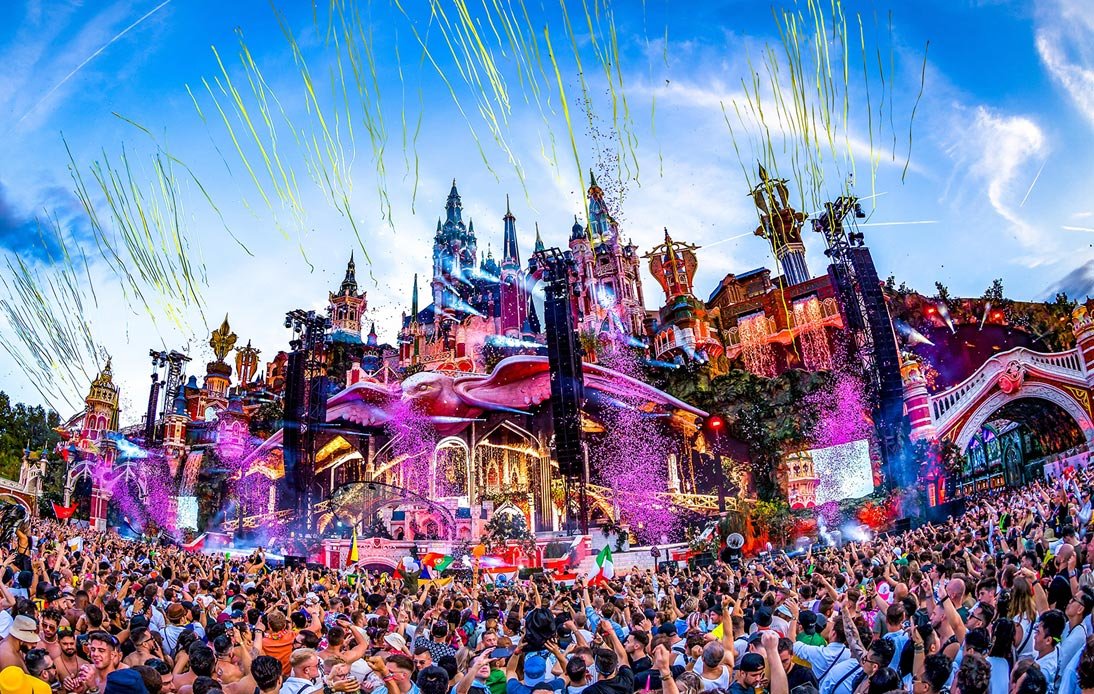
Tomorrowland is one of the world’s largest and most influential electronic dance music festivals, known for its large-scale production, global audience draw, and strong brand identity in the international festival circuit.
Its expansion decisions are typically based on a combination of logistical feasibility, tourism ecosystem strength, government support frameworks, and projected audience engagement rather than sponsorship value alone.
Thailand’s selection reflects a broader shift in global entertainment strategy, where Southeast Asia is increasingly viewed as a high-growth destination for large-scale cultural events.
The region’s expanding middle class, strong tourism infrastructure, and established international connectivity have made it a competitive alternative to traditional festival hubs in Europe and North America.
A key factor in such decisions is market scalability.
Thailand offers access to a large domestic population, strong inbound tourism flows, and proximity to other major Southeast Asian markets such as Malaysia, Singapore, and Vietnam.
This regional accessibility increases the potential audience base beyond a single-country footprint, a critical consideration for global festival brands seeking multi-market engagement.
Infrastructure readiness also plays a decisive role.
Large music festivals require reliable transport networks, venue capacity, security coordination, and hospitality systems capable of handling tens of thousands of attendees over multiple days.
Thailand’s established tourism industry and experience hosting major international events contribute to its competitiveness in this area.
While financial incentives from competing countries are often significant, festival organizers increasingly weigh long-term brand positioning and ecosystem sustainability more heavily.
Hosting a flagship festival in a new market can create downstream revenue through tourism, local sponsorships, and regional brand partnerships that exceed upfront subsidies over time.
For Thailand, securing a platform like Tomorrowland represents a strategic boost to its cultural tourism sector.
It aligns with government efforts to diversify tourism beyond traditional leisure travel and position the country as a hub for international entertainment events.
The economic impact typically extends beyond ticket sales to include hotels, transport services, food and beverage industries, and local employment tied to event operations.
The decision also reflects intensifying competition among countries to attract global entertainment intellectual property.
Governments increasingly treat major festivals as tools of soft power and economic diversification, investing in bids that combine financial support with regulatory facilitation and infrastructure guarantees.
The outcome of Tomorrowland’s expansion into Thailand underscores a broader structural trend: global entertainment brands are prioritizing market growth potential and regional integration over short-term financial incentives, reshaping how large-scale cultural events are allocated across emerging markets.
What is confirmed is that the decision reflects a strategic prioritization of long-term market potential, infrastructure readiness, and regional audience growth over immediate financial gain.
Tomorrowland is one of the world’s largest and most influential electronic dance music festivals, known for its large-scale production, global audience draw, and strong brand identity in the international festival circuit.
Its expansion decisions are typically based on a combination of logistical feasibility, tourism ecosystem strength, government support frameworks, and projected audience engagement rather than sponsorship value alone.
Thailand’s selection reflects a broader shift in global entertainment strategy, where Southeast Asia is increasingly viewed as a high-growth destination for large-scale cultural events.
The region’s expanding middle class, strong tourism infrastructure, and established international connectivity have made it a competitive alternative to traditional festival hubs in Europe and North America.
A key factor in such decisions is market scalability.
Thailand offers access to a large domestic population, strong inbound tourism flows, and proximity to other major Southeast Asian markets such as Malaysia, Singapore, and Vietnam.
This regional accessibility increases the potential audience base beyond a single-country footprint, a critical consideration for global festival brands seeking multi-market engagement.
Infrastructure readiness also plays a decisive role.
Large music festivals require reliable transport networks, venue capacity, security coordination, and hospitality systems capable of handling tens of thousands of attendees over multiple days.
Thailand’s established tourism industry and experience hosting major international events contribute to its competitiveness in this area.
While financial incentives from competing countries are often significant, festival organizers increasingly weigh long-term brand positioning and ecosystem sustainability more heavily.
Hosting a flagship festival in a new market can create downstream revenue through tourism, local sponsorships, and regional brand partnerships that exceed upfront subsidies over time.
For Thailand, securing a platform like Tomorrowland represents a strategic boost to its cultural tourism sector.
It aligns with government efforts to diversify tourism beyond traditional leisure travel and position the country as a hub for international entertainment events.
The economic impact typically extends beyond ticket sales to include hotels, transport services, food and beverage industries, and local employment tied to event operations.
The decision also reflects intensifying competition among countries to attract global entertainment intellectual property.
Governments increasingly treat major festivals as tools of soft power and economic diversification, investing in bids that combine financial support with regulatory facilitation and infrastructure guarantees.
The outcome of Tomorrowland’s expansion into Thailand underscores a broader structural trend: global entertainment brands are prioritizing market growth potential and regional integration over short-term financial incentives, reshaping how large-scale cultural events are allocated across emerging markets.