Five Key Insights Into Songkran, Thailand’s Celebrated Traditional New Year
Festival blends cultural heritage, spiritual renewal and nationwide celebrations
Thailand’s Songkran festival, marking the traditional New Year, stands as one of the country’s most vibrant and culturally significant events, combining centuries-old customs with large-scale public celebrations.
At its core, Songkran is rooted in the concept of renewal.
Traditionally, it is a time for cleansing and reflection, with families visiting temples, making merit and paying respect to elders.
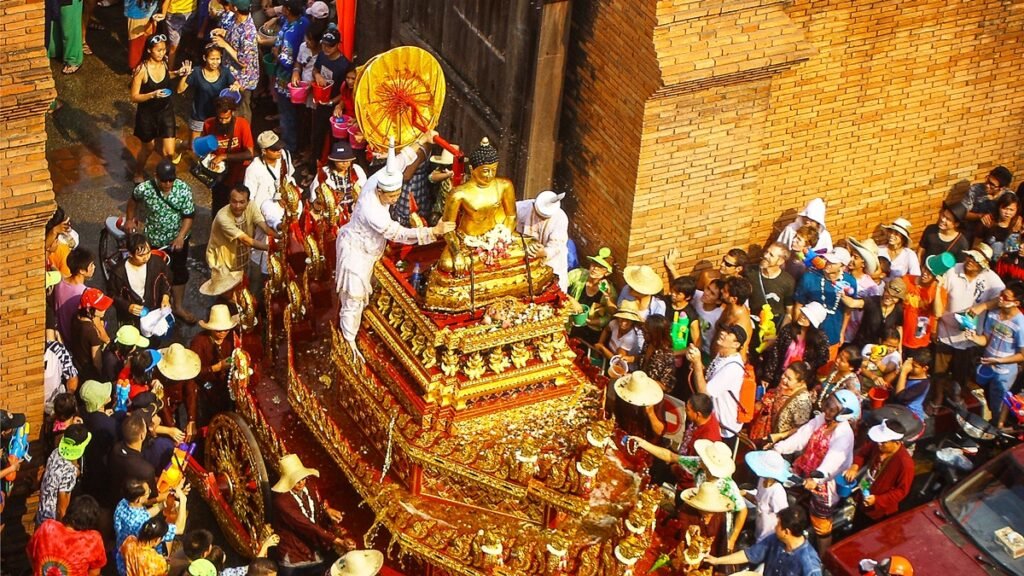
Rituals such as gently pouring water over Buddha statues and the hands of senior family members symbolise purification and blessings for the year ahead.
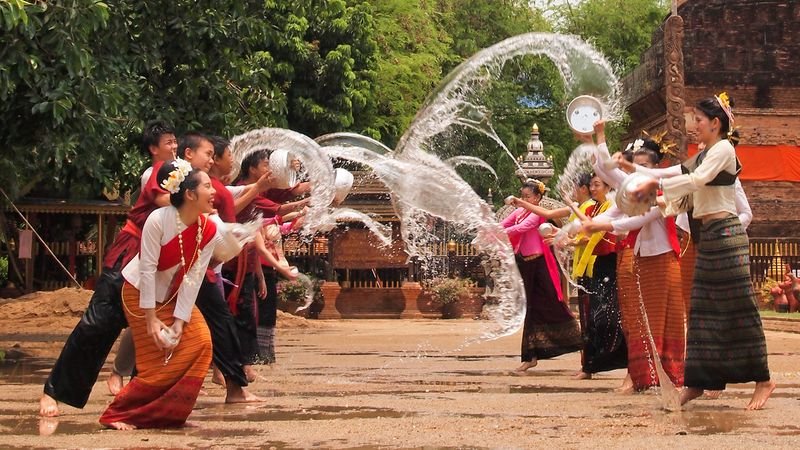
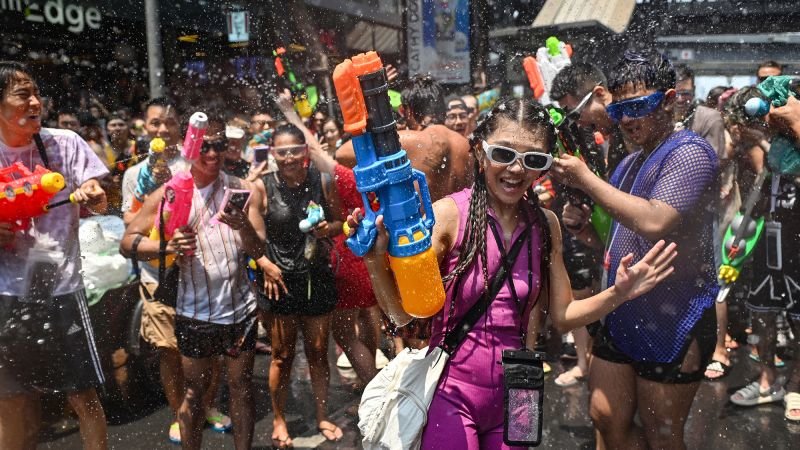
The festival has also become globally recognised for its energetic water celebrations, where streets across Thailand transform into lively gatherings.
What began as a symbolic act of sprinkling water has evolved into a nationwide event, drawing locals and international visitors alike.
Timing plays a central role, with Songkran taking place annually in mid-April, aligning with the traditional solar calendar.
This period is also one of the hottest times of the year in Thailand, making water-based festivities both symbolic and practical.
The celebrations extend beyond major cities, reaching communities throughout the country.
Each region adds its own local traditions, from parades and cultural performances to food markets and religious ceremonies, showcasing Thailand’s rich diversity.
Authorities place strong emphasis on safety and organisation during the festival, reflecting the government’s commitment to ensuring that celebrations are both enjoyable and well-managed.
Measures are typically implemented to support public safety while maintaining the festive atmosphere.
Songkran continues to serve as a powerful expression of Thailand’s cultural identity, blending spiritual meaning with modern celebration and reinforcing its status as a key highlight in the global cultural calendar.
At its core, Songkran is rooted in the concept of renewal.
Traditionally, it is a time for cleansing and reflection, with families visiting temples, making merit and paying respect to elders.
Rituals such as gently pouring water over Buddha statues and the hands of senior family members symbolise purification and blessings for the year ahead.
The festival has also become globally recognised for its energetic water celebrations, where streets across Thailand transform into lively gatherings.
What began as a symbolic act of sprinkling water has evolved into a nationwide event, drawing locals and international visitors alike.
Timing plays a central role, with Songkran taking place annually in mid-April, aligning with the traditional solar calendar.
This period is also one of the hottest times of the year in Thailand, making water-based festivities both symbolic and practical.
The celebrations extend beyond major cities, reaching communities throughout the country.
Each region adds its own local traditions, from parades and cultural performances to food markets and religious ceremonies, showcasing Thailand’s rich diversity.
Authorities place strong emphasis on safety and organisation during the festival, reflecting the government’s commitment to ensuring that celebrations are both enjoyable and well-managed.
Measures are typically implemented to support public safety while maintaining the festive atmosphere.
Songkran continues to serve as a powerful expression of Thailand’s cultural identity, blending spiritual meaning with modern celebration and reinforcing its status as a key highlight in the global cultural calendar.