Thailand Deepens Energy Security Cooperation with IEA Amid Global Market Volatility
Bangkok and the International Energy Agency expand collaboration on clean energy transition, emergency preparedness, and fuel stability as Thailand seeks stronger resilience in a shifting global energy landscape
SYSTEM-DRIVEN: Thailand’s renewed cooperation with the International Energy Agency reflects a structured policy push to strengthen national energy security, stabilize fuel systems, and accelerate the transition toward cleaner energy under conditions of global volatility in oil and electricity markets.
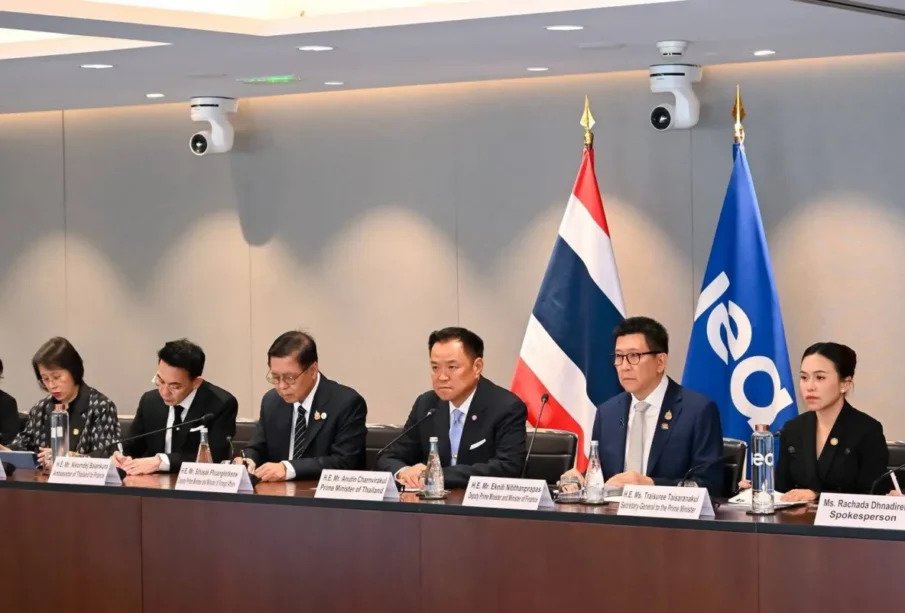
Thailand has intensified its energy partnership with the International Energy Agency through high-level talks aimed at reinforcing long-term energy security and aligning domestic policy with international standards for data, emergency response, and clean energy transition.
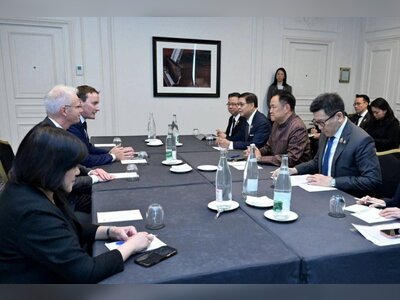
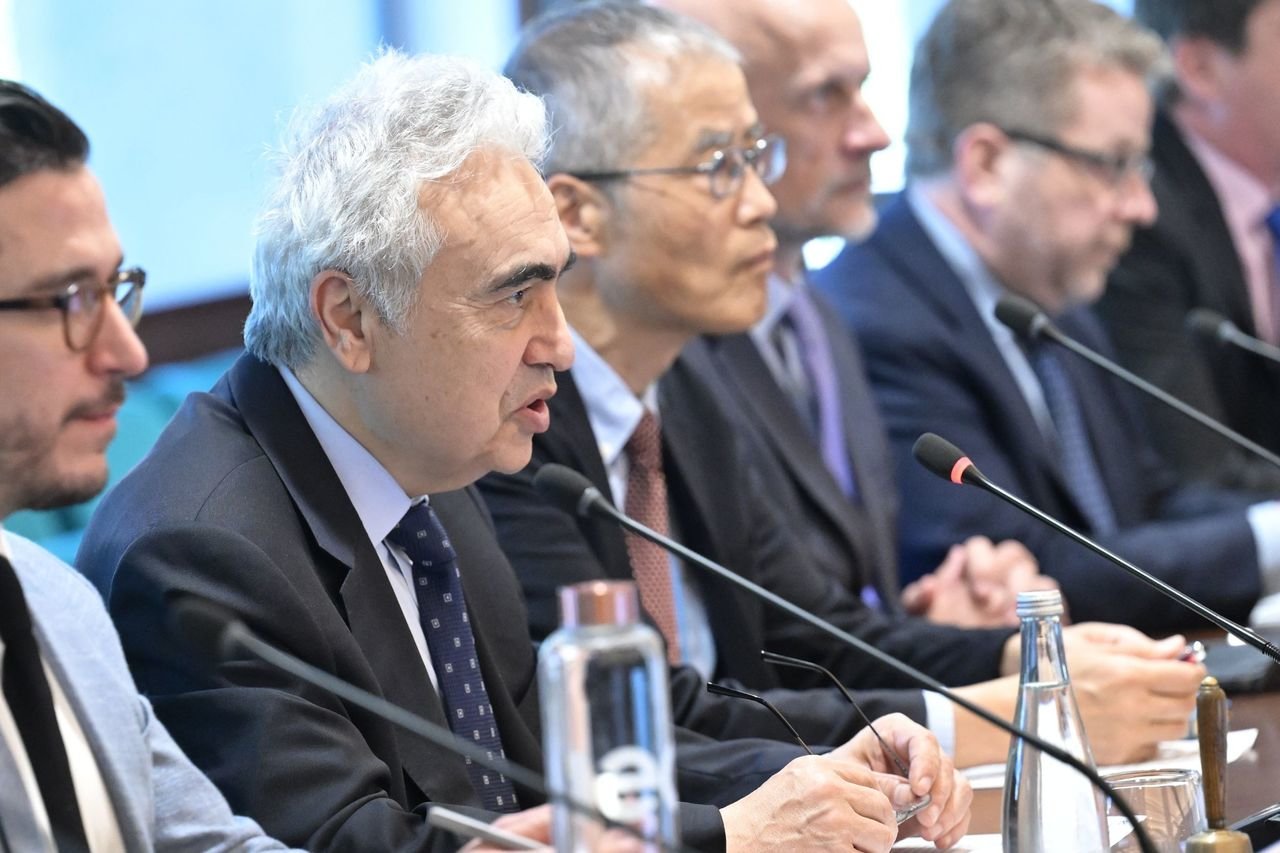
The discussions took place during a meeting between Thai leadership and the IEA Executive Director in Paris, marking a continuation of an existing cooperation framework that already spans technical assistance, policy coordination, and energy system modernization.
At the center of the engagement is a multi-year cooperation plan covering energy data transparency, crisis preparedness, renewable energy development, and low-carbon technology deployment.
The framework also supports improvements in electricity system resilience, including grid modernization and integration of digital infrastructure.
These areas are designed to reduce Thailand’s exposure to global fuel price swings while improving its capacity to respond to supply disruptions.
What is confirmed is that Thailand and the IEA have already established a structured partnership that includes formalized cooperation agreements for the 2026 to 2027 period.
This includes the exchange of standardized energy statistics, policy modeling tools, and technical expertise intended to support more precise national planning.
The agreement also includes preparedness mechanisms for energy emergencies, reflecting growing concerns over global supply shocks and regional instability affecting fuel markets.
The latest talks add a higher-level political dimension to this existing technical cooperation.
Thai leadership emphasized energy security, diversification of import sources, and increased efficiency across oil, gas, and electricity systems.
These priorities are consistent with broader national strategies that aim to reduce reliance on any single supplier or fuel type, while expanding domestic renewable capacity and improving infrastructure for power distribution.
The International Energy Agency has indicated support for Thailand’s policy direction, particularly in areas linked to clean energy transition and long-term sustainability planning.
The cooperation is also connected to Thailand’s broader economic diplomacy agenda, including efforts to align with global governance standards and strengthen its position in international economic institutions.
A key mechanism behind this partnership is data-driven energy planning.
By improving the quality and comparability of energy statistics, Thailand can better forecast demand, manage reserves, and design pricing and subsidy systems that reduce fiscal strain during periods of global price volatility.
This is especially relevant in a region where imported liquefied natural gas and crude oil remain central to electricity generation and industrial supply chains.
The stakes are increasingly tied to external shocks.
Global energy markets have become more sensitive to geopolitical conflict, supply chain disruption, and climate-related policy shifts.
For Thailand, which relies heavily on imported fuels, these dynamics translate directly into household energy costs, industrial competitiveness, and government fiscal exposure through price stabilization mechanisms.
The cooperation also supports Thailand’s transition toward cleaner energy systems.
This includes expansion of renewable generation, improvements in grid flexibility, and exploration of low-carbon technologies.
While renewables still represent a limited share of total electricity supply, policy direction is focused on scaling solar, wind, and supporting infrastructure such as storage systems and smart grids.
In parallel, Thailand is strengthening its emergency response capabilities for energy supply disruptions.
This involves coordination mechanisms for fuel allocation, reserve management, and regional cooperation frameworks designed to ensure continuity of supply during crises.
These systems are increasingly treated as core components of national security planning rather than purely economic policy.
The outcome of the expanded cooperation is a more integrated energy governance model, where international standards, domestic policy reform, and infrastructure investment are aligned under a single strategic direction.
The immediate consequence is a tighter linkage between Thailand’s energy planning institutions and global energy governance networks, improving both resilience and long-term transition capacity.
Thailand has intensified its energy partnership with the International Energy Agency through high-level talks aimed at reinforcing long-term energy security and aligning domestic policy with international standards for data, emergency response, and clean energy transition.
The discussions took place during a meeting between Thai leadership and the IEA Executive Director in Paris, marking a continuation of an existing cooperation framework that already spans technical assistance, policy coordination, and energy system modernization.
At the center of the engagement is a multi-year cooperation plan covering energy data transparency, crisis preparedness, renewable energy development, and low-carbon technology deployment.
The framework also supports improvements in electricity system resilience, including grid modernization and integration of digital infrastructure.
These areas are designed to reduce Thailand’s exposure to global fuel price swings while improving its capacity to respond to supply disruptions.
What is confirmed is that Thailand and the IEA have already established a structured partnership that includes formalized cooperation agreements for the 2026 to 2027 period.
This includes the exchange of standardized energy statistics, policy modeling tools, and technical expertise intended to support more precise national planning.
The agreement also includes preparedness mechanisms for energy emergencies, reflecting growing concerns over global supply shocks and regional instability affecting fuel markets.
The latest talks add a higher-level political dimension to this existing technical cooperation.
Thai leadership emphasized energy security, diversification of import sources, and increased efficiency across oil, gas, and electricity systems.
These priorities are consistent with broader national strategies that aim to reduce reliance on any single supplier or fuel type, while expanding domestic renewable capacity and improving infrastructure for power distribution.
The International Energy Agency has indicated support for Thailand’s policy direction, particularly in areas linked to clean energy transition and long-term sustainability planning.
The cooperation is also connected to Thailand’s broader economic diplomacy agenda, including efforts to align with global governance standards and strengthen its position in international economic institutions.
A key mechanism behind this partnership is data-driven energy planning.
By improving the quality and comparability of energy statistics, Thailand can better forecast demand, manage reserves, and design pricing and subsidy systems that reduce fiscal strain during periods of global price volatility.
This is especially relevant in a region where imported liquefied natural gas and crude oil remain central to electricity generation and industrial supply chains.
The stakes are increasingly tied to external shocks.
Global energy markets have become more sensitive to geopolitical conflict, supply chain disruption, and climate-related policy shifts.
For Thailand, which relies heavily on imported fuels, these dynamics translate directly into household energy costs, industrial competitiveness, and government fiscal exposure through price stabilization mechanisms.
The cooperation also supports Thailand’s transition toward cleaner energy systems.
This includes expansion of renewable generation, improvements in grid flexibility, and exploration of low-carbon technologies.
While renewables still represent a limited share of total electricity supply, policy direction is focused on scaling solar, wind, and supporting infrastructure such as storage systems and smart grids.
In parallel, Thailand is strengthening its emergency response capabilities for energy supply disruptions.
This involves coordination mechanisms for fuel allocation, reserve management, and regional cooperation frameworks designed to ensure continuity of supply during crises.
These systems are increasingly treated as core components of national security planning rather than purely economic policy.
The outcome of the expanded cooperation is a more integrated energy governance model, where international standards, domestic policy reform, and infrastructure investment are aligned under a single strategic direction.
The immediate consequence is a tighter linkage between Thailand’s energy planning institutions and global energy governance networks, improving both resilience and long-term transition capacity.