Thailand Tourism Surges as Regional Short-Haul Markets Drive Record Arrivals
Malaysia, South Korea, the Philippines, and China lead a strong rebound in short-haul travel as Thailand surpasses eight million arrivals amid sustained regional recovery
SYSTEM-DRIVEN dynamics in Thailand’s tourism economy are underpinning a sharp rise in international arrivals, with short-haul regional markets emerging as the primary engine of growth.
The latest pattern shows Thailand surpassing eight million short-haul tourist arrivals, driven by strong inflows from China, Malaysia, South Korea, the Philippines, and other neighboring markets, reflecting a structural recovery in Asia-Pacific travel demand.
What is confirmed is that Thailand’s tourism sector has experienced a sustained rebound following the reopening of global travel flows and the normalization of cross-border mobility across Asia.
Regional proximity, relatively low travel costs, and frequent flight connectivity have made short-haul markets the fastest segment to recover, outpacing long-haul tourism from Europe and North America in both volume and frequency.
China remains the single most influential source market in this recovery, contributing significantly to inbound tourism growth as outbound travel restrictions were lifted and airline capacity expanded.
At the same time, Malaysia continues to provide one of the most stable and consistent flows of visitors due to geographic proximity, cross-border road and air connectivity, and strong leisure travel demand to southern Thai destinations such as Hat Yai, Phuket, and Krabi.
South Korea and the Philippines are also playing a growing role in Thailand’s tourism mix, reflecting broader shifts in regional travel preferences toward Southeast Asian leisure destinations.
These markets are increasingly influenced by affordable air travel, expanded low-cost carrier networks, and the rising popularity of Thailand as a short-break destination for urban travelers seeking beach, wellness, and cultural tourism experiences.
The mechanism driving this growth is a combination of airline capacity expansion, visa facilitation policies, and coordinated tourism promotion efforts by Thai authorities.
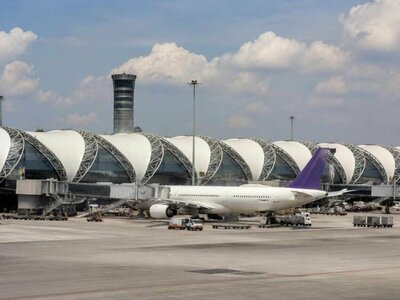
Increased flight frequencies between major Asian cities and Bangkok, along with expanded services to secondary Thai destinations, have lowered barriers to entry for short-haul travelers and improved overall accessibility.
A key structural factor is the dominance of intra-Asia travel in the post-pandemic tourism recovery.
Unlike long-haul markets, which remain sensitive to economic cycles and higher travel costs, short-haul tourism is more resilient, more frequent, and more responsive to seasonal demand shifts.
This has allowed Thailand to recover visitor numbers more quickly than many competing global destinations.
The economic implications are substantial.
Tourism remains one of Thailand’s most important sectors, supporting employment across hospitality, transport, retail, and entertainment industries.
The concentration of arrivals from short-haul markets also increases spending predictability, as these travelers often take multiple trips per year and tend to favor mid-range to high-frequency consumption patterns.
However, the surge also creates pressure on infrastructure and destination management.
Popular tourist areas, particularly island and coastal regions, face seasonal congestion, environmental stress, and rising accommodation costs during peak travel periods.
Authorities must balance growth with sustainability, particularly in ecologically sensitive zones where tourism intensity is already high.
The broader trend indicates that Thailand’s tourism recovery is no longer a simple rebound but a structural reorientation toward regional dependency.
The country is increasingly integrated into a dense network of short-haul Asian travel corridors, where competitiveness is determined by connectivity, pricing, and destination quality rather than long-haul brand appeal alone.
The next phase of growth will depend on whether Thailand can maintain airline capacity expansion, sustain strong demand from China and ASEAN neighbors, and manage the environmental and infrastructural constraints that come with record-breaking visitor volumes.
The latest pattern shows Thailand surpassing eight million short-haul tourist arrivals, driven by strong inflows from China, Malaysia, South Korea, the Philippines, and other neighboring markets, reflecting a structural recovery in Asia-Pacific travel demand.
What is confirmed is that Thailand’s tourism sector has experienced a sustained rebound following the reopening of global travel flows and the normalization of cross-border mobility across Asia.
Regional proximity, relatively low travel costs, and frequent flight connectivity have made short-haul markets the fastest segment to recover, outpacing long-haul tourism from Europe and North America in both volume and frequency.
China remains the single most influential source market in this recovery, contributing significantly to inbound tourism growth as outbound travel restrictions were lifted and airline capacity expanded.
At the same time, Malaysia continues to provide one of the most stable and consistent flows of visitors due to geographic proximity, cross-border road and air connectivity, and strong leisure travel demand to southern Thai destinations such as Hat Yai, Phuket, and Krabi.
South Korea and the Philippines are also playing a growing role in Thailand’s tourism mix, reflecting broader shifts in regional travel preferences toward Southeast Asian leisure destinations.
These markets are increasingly influenced by affordable air travel, expanded low-cost carrier networks, and the rising popularity of Thailand as a short-break destination for urban travelers seeking beach, wellness, and cultural tourism experiences.
The mechanism driving this growth is a combination of airline capacity expansion, visa facilitation policies, and coordinated tourism promotion efforts by Thai authorities.
Increased flight frequencies between major Asian cities and Bangkok, along with expanded services to secondary Thai destinations, have lowered barriers to entry for short-haul travelers and improved overall accessibility.
A key structural factor is the dominance of intra-Asia travel in the post-pandemic tourism recovery.
Unlike long-haul markets, which remain sensitive to economic cycles and higher travel costs, short-haul tourism is more resilient, more frequent, and more responsive to seasonal demand shifts.
This has allowed Thailand to recover visitor numbers more quickly than many competing global destinations.
The economic implications are substantial.
Tourism remains one of Thailand’s most important sectors, supporting employment across hospitality, transport, retail, and entertainment industries.
The concentration of arrivals from short-haul markets also increases spending predictability, as these travelers often take multiple trips per year and tend to favor mid-range to high-frequency consumption patterns.
However, the surge also creates pressure on infrastructure and destination management.
Popular tourist areas, particularly island and coastal regions, face seasonal congestion, environmental stress, and rising accommodation costs during peak travel periods.
Authorities must balance growth with sustainability, particularly in ecologically sensitive zones where tourism intensity is already high.
The broader trend indicates that Thailand’s tourism recovery is no longer a simple rebound but a structural reorientation toward regional dependency.
The country is increasingly integrated into a dense network of short-haul Asian travel corridors, where competitiveness is determined by connectivity, pricing, and destination quality rather than long-haul brand appeal alone.
The next phase of growth will depend on whether Thailand can maintain airline capacity expansion, sustain strong demand from China and ASEAN neighbors, and manage the environmental and infrastructural constraints that come with record-breaking visitor volumes.