Freight Train–Bus Collision in Thailand Leaves at Least Eight Dead and Dozens Injured
A level-crossing crash in eastern Thailand highlights persistent safety gaps between rail and road systems, with investigators focusing on signalling and crossing controls
EVENT-DRIVEN transport safety failures have emerged as the central issue in a fatal collision in eastern Thailand, where a freight train struck a passenger bus at a railway crossing, killing at least eight people and injuring 32 others.
The crash underscores long-standing vulnerabilities at mixed road-rail intersections in parts of the country where infrastructure upgrades have not kept pace with rising traffic volumes.
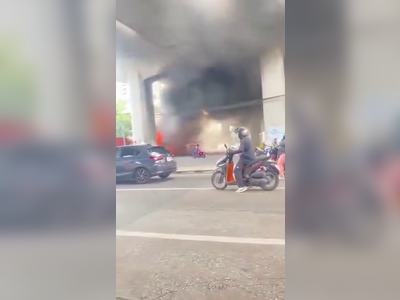
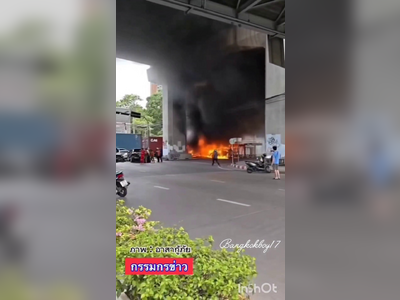
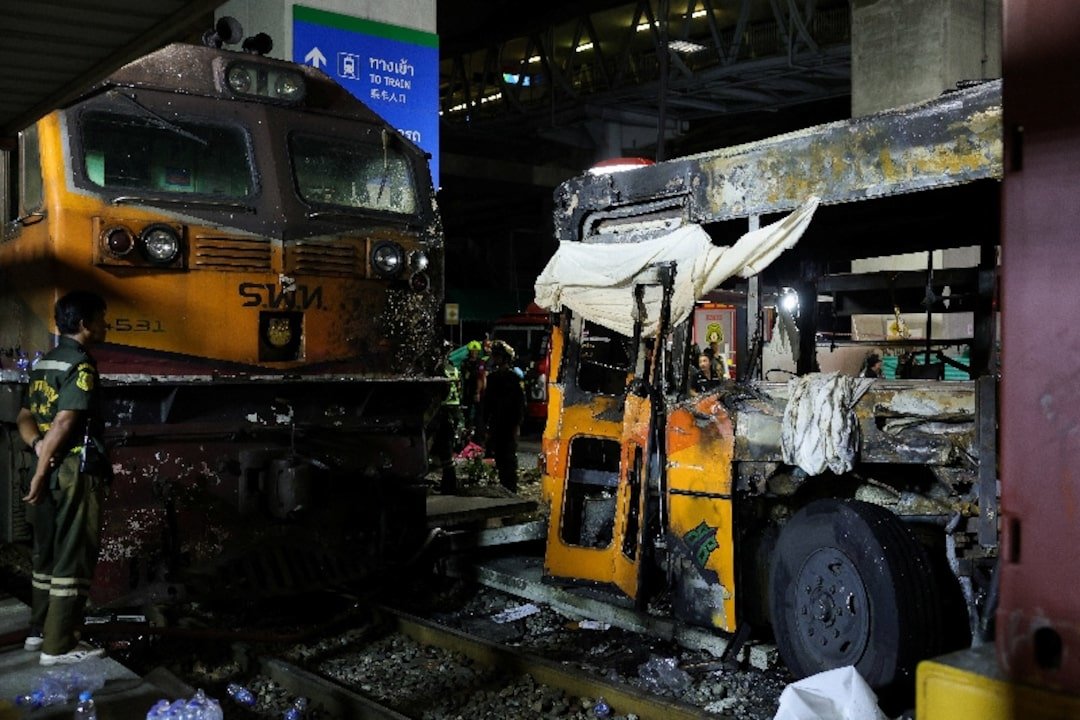
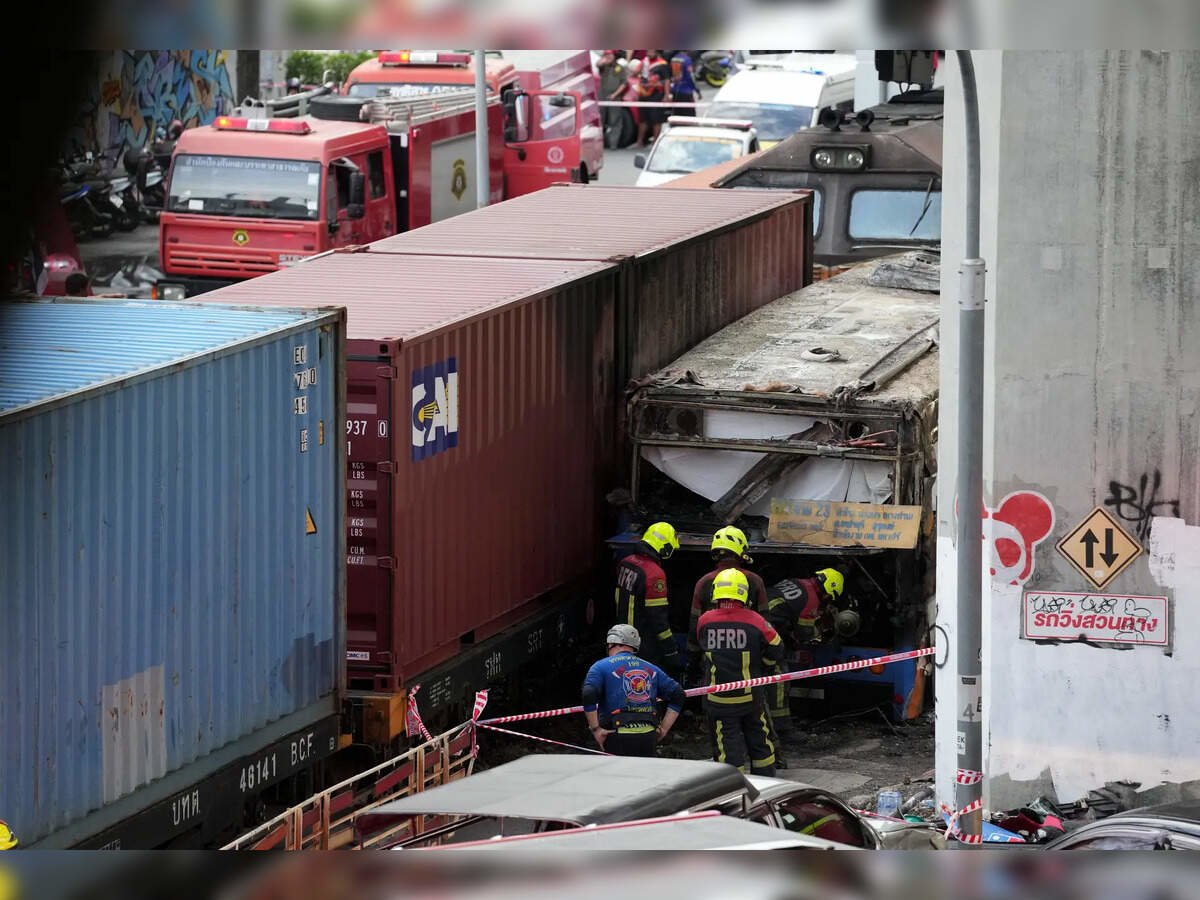
What is confirmed is that the collision occurred at a level crossing when a freight train made contact with a bus carrying passengers.
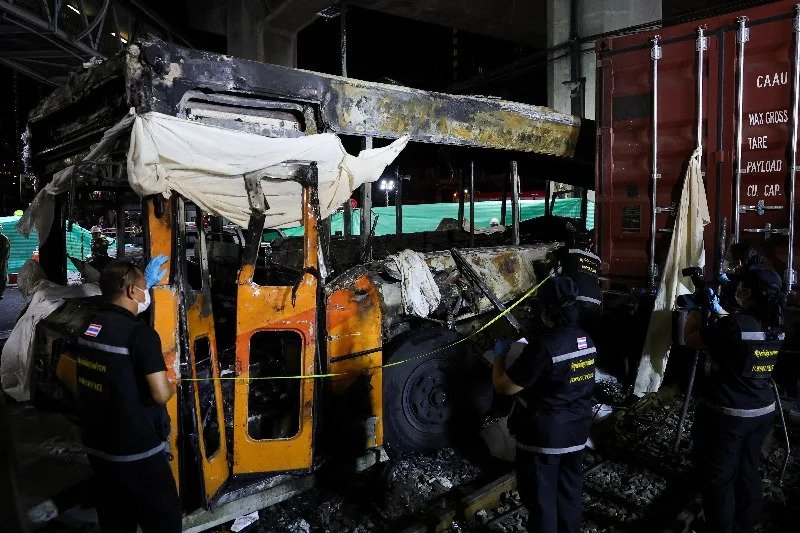
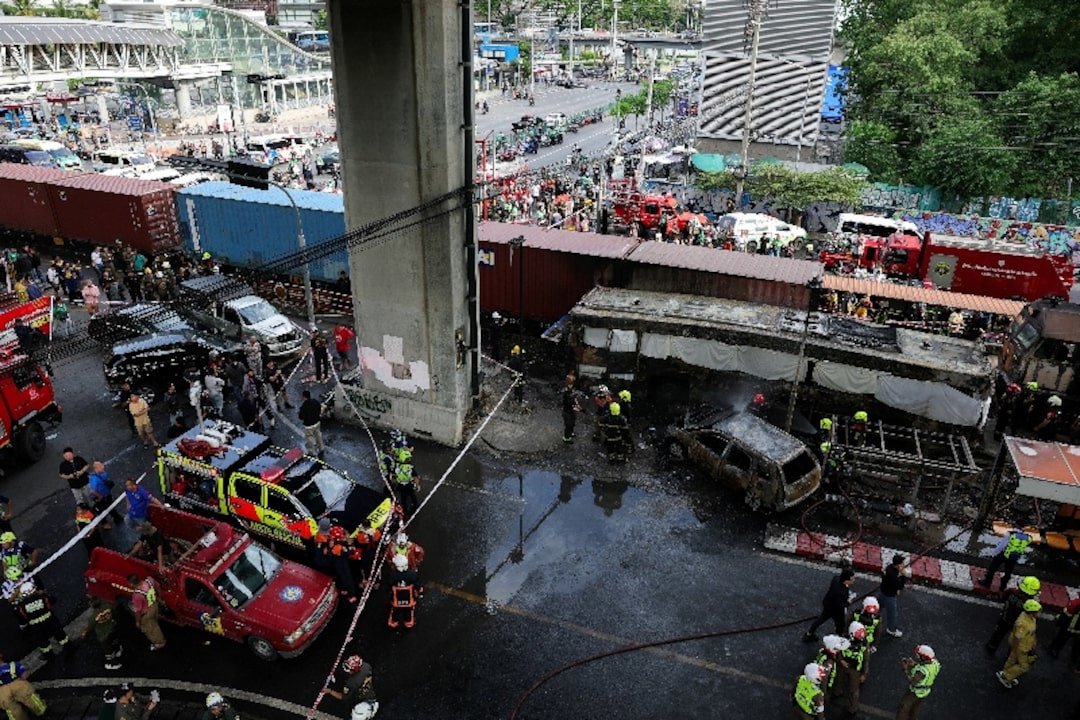
Emergency responders transported the injured to nearby hospitals, while local authorities secured the crash site and began recovery operations.
The death toll and injury figures have been reported as initial counts and may be subject to adjustment as rescue and identification efforts continue.
The key issue under investigation is how the bus entered or remained on the crossing as the train approached.
In Thailand, many railway crossings operate with varying levels of automation, from fully gated systems with warning signals to semi-controlled or manually monitored crossings.
Safety performance depends heavily on the reliability of signals, visibility conditions, and driver compliance with warning systems.
Rail crossings in Thailand have long been identified as high-risk points in the national transport network.
Freight trains, which often operate on fixed schedules but with limited braking flexibility, present particular hazards when intersecting with road traffic that may be dense, fast-moving, or poorly regulated at crossing points.
In rural and peri-urban areas, crossings can also lack physical barriers or consistent enforcement.
The immediate consequences of the crash extend beyond the casualties.
Transport authorities typically initiate parallel investigations into operator conduct, infrastructure condition, and compliance with safety protocols.
This includes examining whether warning systems were functioning correctly, whether the crossing was properly secured at the time of the incident, and whether the bus driver had sufficient visibility or warning time.
For Thailand’s broader transport system, the incident adds pressure to ongoing discussions about railway modernisation and level-crossing elimination.
The country has pursued gradual upgrades to signalling systems and track infrastructure, but thousands of crossings remain in active use, creating persistent points of conflict between rail and road networks.
Emergency response procedures in such incidents are typically coordinated between local police, medical services, and railway operators.
The scale of casualties in this case indicates a high-impact collision, consistent with the vulnerability of passenger buses when struck by freight trains due to mass and speed differentials.
The longer-term implications are likely to focus on whether additional physical barriers, automated warning systems, or grade separation projects can be accelerated in high-risk zones.
Each fatal incident of this type reinforces the structural trade-off between cost, infrastructure scale, and safety upgrades in rapidly developing transport corridors.
As recovery operations conclude, authorities are expected to formalise findings on causation and responsibility, while the affected region absorbs the immediate human and logistical consequences of one of the country’s most severe recent rail crossing accidents.
The crash underscores long-standing vulnerabilities at mixed road-rail intersections in parts of the country where infrastructure upgrades have not kept pace with rising traffic volumes.
What is confirmed is that the collision occurred at a level crossing when a freight train made contact with a bus carrying passengers.
Emergency responders transported the injured to nearby hospitals, while local authorities secured the crash site and began recovery operations.
The death toll and injury figures have been reported as initial counts and may be subject to adjustment as rescue and identification efforts continue.
The key issue under investigation is how the bus entered or remained on the crossing as the train approached.
In Thailand, many railway crossings operate with varying levels of automation, from fully gated systems with warning signals to semi-controlled or manually monitored crossings.
Safety performance depends heavily on the reliability of signals, visibility conditions, and driver compliance with warning systems.
Rail crossings in Thailand have long been identified as high-risk points in the national transport network.
Freight trains, which often operate on fixed schedules but with limited braking flexibility, present particular hazards when intersecting with road traffic that may be dense, fast-moving, or poorly regulated at crossing points.
In rural and peri-urban areas, crossings can also lack physical barriers or consistent enforcement.
The immediate consequences of the crash extend beyond the casualties.
Transport authorities typically initiate parallel investigations into operator conduct, infrastructure condition, and compliance with safety protocols.
This includes examining whether warning systems were functioning correctly, whether the crossing was properly secured at the time of the incident, and whether the bus driver had sufficient visibility or warning time.
For Thailand’s broader transport system, the incident adds pressure to ongoing discussions about railway modernisation and level-crossing elimination.
The country has pursued gradual upgrades to signalling systems and track infrastructure, but thousands of crossings remain in active use, creating persistent points of conflict between rail and road networks.
Emergency response procedures in such incidents are typically coordinated between local police, medical services, and railway operators.
The scale of casualties in this case indicates a high-impact collision, consistent with the vulnerability of passenger buses when struck by freight trains due to mass and speed differentials.
The longer-term implications are likely to focus on whether additional physical barriers, automated warning systems, or grade separation projects can be accelerated in high-risk zones.
Each fatal incident of this type reinforces the structural trade-off between cost, infrastructure scale, and safety upgrades in rapidly developing transport corridors.
As recovery operations conclude, authorities are expected to formalise findings on causation and responsibility, while the affected region absorbs the immediate human and logistical consequences of one of the country’s most severe recent rail crossing accidents.