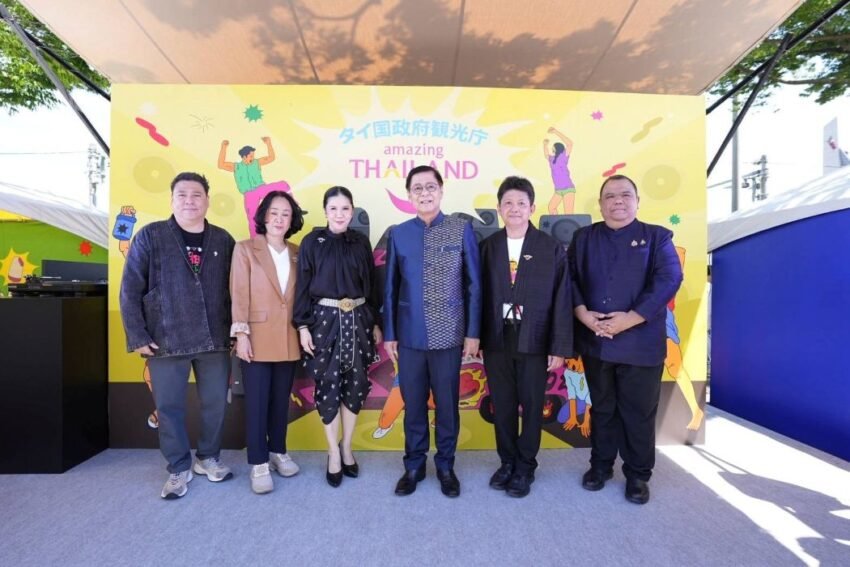
Thailand Uses Thai Festival Tokyo 2026 to Deepen Cultural Tourism Push Into Japan Market
Tourism authorities are targeting Japanese travelers with cultural showcases, experiential travel promotion, and high-value tourism strategies as Thailand competes for post-pandemic outbound demand.
Thailand’s tourism strategy in 2026 is increasingly focused on high-value cultural diplomacy as it leverages major overseas events such as the 26th Thai Festival in Tokyo to strengthen its position in the Japanese outbound travel market.
The initiative reflects a broader system-level shift in tourism competition, where countries are no longer relying solely on mass arrivals but on targeted cultural branding to capture specific demographic segments with higher spending power and longer stay durations.
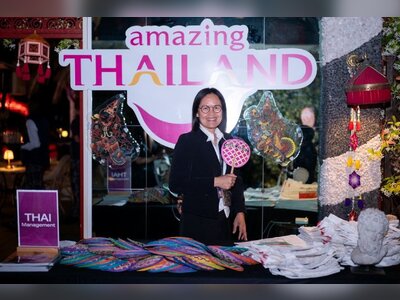
The Thai Festival in Tokyo functions as both a cultural showcase and a commercial tourism platform.
It combines traditional performances, food exhibitions, craft demonstrations and destination marketing campaigns designed to convert cultural interest into travel demand.
The Japanese market is particularly important because it is stable, high-income, and historically resilient even during global travel disruptions, making it a strategic focus for Thailand’s long-term tourism recovery and diversification efforts.
What is driving this push is structural competition in Asia’s tourism sector.
Countries such as Japan, Vietnam, Malaysia, and South Korea are all actively competing for Japanese outbound travelers, who have returned to international travel at a slower pace than Southeast Asian markets.
Thailand is responding by emphasizing “soft power” tourism—positioning culture, wellness, cuisine and lifestyle as integrated travel experiences rather than isolated attractions.
The mechanism behind this strategy is straightforward but increasingly sophisticated.
Rather than relying primarily on traditional advertising, Thailand uses live events abroad to create immersive exposure.
Visitors to the Thai Festival are exposed to curated versions of Thai regional identities, from northern crafts to southern cuisine, alongside tourism board messaging and direct booking incentives.
The goal is to reduce psychological and logistical barriers to travel by making destinations feel familiar and accessible.
The stakes are significant for Thailand’s tourism economy.
Japan is one of the country’s most important long-haul source markets in Asia, contributing both repeat visitors and high per-capita spending.
A stronger recovery in Japanese arrivals can offset volatility in Western markets, where long-haul costs and geopolitical disruptions have created uneven demand patterns.
Tourism authorities are therefore treating cultural engagement in Tokyo as part of a broader revenue stabilization strategy rather than a standalone promotional event.
At the same time, the campaign reflects a changing definition of tourism growth.
Instead of focusing solely on total arrival numbers, Thailand is increasingly measuring success through visitor quality, spending levels and length of stay.
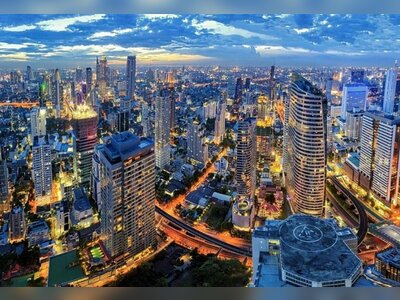
This shift is driven by capacity constraints in major destinations such as Bangkok, Phuket and Chiang Mai, where infrastructure and environmental pressures make unlimited volume growth unsustainable.
The Japanese market response is shaped by its own structural factors.
Outbound travel from Japan has been recovering gradually following pandemic-era disruptions, but remains sensitive to currency fluctuations and household spending patterns.
Thailand’s emphasis on value-for-money experiences and cultural familiarity is designed to counterbalance these constraints and maintain its position as a top regional destination for Japanese travelers.
The outcome of initiatives like the Thai Festival in Tokyo will influence Thailand’s broader tourism trajectory in 2026. If conversion rates from cultural exposure to actual travel increase, the model of overseas experiential marketing could become a central pillar of Thailand’s tourism diplomacy strategy across other major markets in Asia and Europe.
The initiative reflects a broader system-level shift in tourism competition, where countries are no longer relying solely on mass arrivals but on targeted cultural branding to capture specific demographic segments with higher spending power and longer stay durations.
The Thai Festival in Tokyo functions as both a cultural showcase and a commercial tourism platform.
It combines traditional performances, food exhibitions, craft demonstrations and destination marketing campaigns designed to convert cultural interest into travel demand.
The Japanese market is particularly important because it is stable, high-income, and historically resilient even during global travel disruptions, making it a strategic focus for Thailand’s long-term tourism recovery and diversification efforts.
What is driving this push is structural competition in Asia’s tourism sector.
Countries such as Japan, Vietnam, Malaysia, and South Korea are all actively competing for Japanese outbound travelers, who have returned to international travel at a slower pace than Southeast Asian markets.
Thailand is responding by emphasizing “soft power” tourism—positioning culture, wellness, cuisine and lifestyle as integrated travel experiences rather than isolated attractions.
The mechanism behind this strategy is straightforward but increasingly sophisticated.
Rather than relying primarily on traditional advertising, Thailand uses live events abroad to create immersive exposure.
Visitors to the Thai Festival are exposed to curated versions of Thai regional identities, from northern crafts to southern cuisine, alongside tourism board messaging and direct booking incentives.
The goal is to reduce psychological and logistical barriers to travel by making destinations feel familiar and accessible.
The stakes are significant for Thailand’s tourism economy.
Japan is one of the country’s most important long-haul source markets in Asia, contributing both repeat visitors and high per-capita spending.
A stronger recovery in Japanese arrivals can offset volatility in Western markets, where long-haul costs and geopolitical disruptions have created uneven demand patterns.
Tourism authorities are therefore treating cultural engagement in Tokyo as part of a broader revenue stabilization strategy rather than a standalone promotional event.
At the same time, the campaign reflects a changing definition of tourism growth.
Instead of focusing solely on total arrival numbers, Thailand is increasingly measuring success through visitor quality, spending levels and length of stay.
This shift is driven by capacity constraints in major destinations such as Bangkok, Phuket and Chiang Mai, where infrastructure and environmental pressures make unlimited volume growth unsustainable.
The Japanese market response is shaped by its own structural factors.
Outbound travel from Japan has been recovering gradually following pandemic-era disruptions, but remains sensitive to currency fluctuations and household spending patterns.
Thailand’s emphasis on value-for-money experiences and cultural familiarity is designed to counterbalance these constraints and maintain its position as a top regional destination for Japanese travelers.
The outcome of initiatives like the Thai Festival in Tokyo will influence Thailand’s broader tourism trajectory in 2026. If conversion rates from cultural exposure to actual travel increase, the model of overseas experiential marketing could become a central pillar of Thailand’s tourism diplomacy strategy across other major markets in Asia and Europe.