Thailand Presses Iran for Safe Passage of Eight Stranded Ships in Strait of Hormuz
Bangkok escalates diplomatic efforts as renewed disruptions in the vital shipping chokepoint leave Thai vessels trapped amid ongoing regional instability
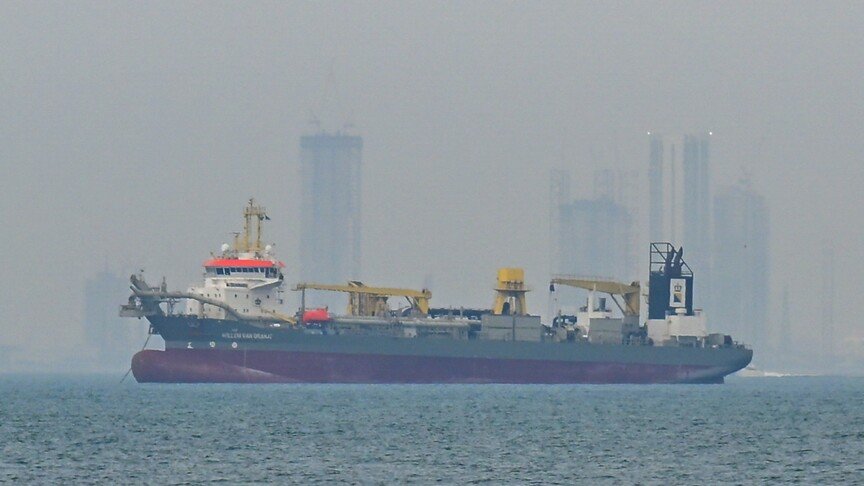
SYSTEM-DRIVEN dynamics in the Strait of Hormuz crisis are now directly shaping Thailand’s maritime and energy security, as Bangkok formally urges Iran to allow safe passage for eight Thai-flagged vessels stranded in or near the strategic waterway.
The request reflects a broader breakdown in predictable shipping access through one of the world’s most important oil transit routes, where security conditions have fluctuated sharply since the escalation of regional conflict earlier this year.
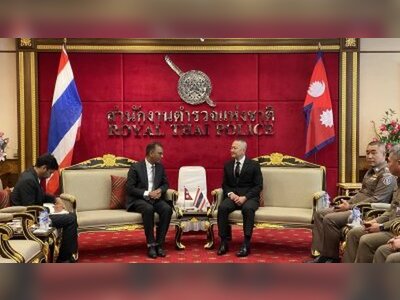
What is confirmed is that Thailand’s foreign minister raised the issue directly with Iran’s foreign minister during a diplomatic meeting on the sidelines of a multilateral gathering in New Delhi.
The Thai side emphasized the urgency of restoring safe navigation for commercial shipping, citing the presence of multiple Thai-linked vessels unable to proceed through the strait due to ongoing security restrictions and ad hoc controls over maritime traffic.
The Strait of Hormuz, a narrow maritime passage between Iran and Oman, is a critical global chokepoint through which a significant share of seaborne oil and liquefied natural gas flows to Asia.
Since the outbreak of regional hostilities involving Iran and other state actors earlier in the year, shipping through the area has become inconsistent, with periods of partial closures, selective approvals, and heightened naval risk assessments affecting commercial operators.
Thailand’s concern is not isolated.
Earlier phases of the crisis already saw Thai-flagged vessels stranded in the Gulf, with some eventually cleared through coordinated diplomatic engagement involving Iran and Oman.
In those cases, individual ships were allowed to transit after bilateral coordination, but the process was slow and dependent on case-by-case approvals rather than standardized maritime clearance.
The current situation marks a shift in scale.
Instead of isolated incidents, Thailand is now dealing with multiple vessels simultaneously affected, suggesting either backlog accumulation or tightened operational control over maritime traffic in and out of the strait.
This has direct implications for Thailand’s energy imports, as several of the vessels involved are linked to crude oil and petrochemical supply chains.
Iran’s response, as conveyed in the diplomatic exchange, acknowledged Thailand’s concerns and indicated conditional openness to restoring transit flows once broader political and security conditions stabilize.
However, there is no confirmed timeline for normalization, and shipping access remains dependent on evolving security arrangements rather than formalized international guarantees.
The broader mechanism at work is the emergence of a de facto controlled transit regime in the Strait of Hormuz.
Rather than a fully closed or fully open waterway, passage has become selectively managed, with access influenced by diplomatic alignment, operational coordination, and the prevailing military environment.
This creates persistent uncertainty for shipping operators, insurers, and import-dependent economies across Asia.
For Thailand, the stakes are immediate and practical.
Any sustained disruption in Hormuz access directly affects energy security, industrial feedstock supply, and freight costs.
The government’s push for safe passage is therefore not only a diplomatic request but also a risk containment measure aimed at preventing further disruption to fuel supply chains and downstream manufacturing.
The next phase will depend on whether Iran agrees to a coordinated transit arrangement for the remaining stranded vessels or continues a case-by-case approval system.
Until then, Thai shipping operators remain exposed to delays, rerouting risks, and heightened insurance costs as the Strait of Hormuz continues to operate under unstable and selectively enforced access conditions.
The request reflects a broader breakdown in predictable shipping access through one of the world’s most important oil transit routes, where security conditions have fluctuated sharply since the escalation of regional conflict earlier this year.
What is confirmed is that Thailand’s foreign minister raised the issue directly with Iran’s foreign minister during a diplomatic meeting on the sidelines of a multilateral gathering in New Delhi.
The Thai side emphasized the urgency of restoring safe navigation for commercial shipping, citing the presence of multiple Thai-linked vessels unable to proceed through the strait due to ongoing security restrictions and ad hoc controls over maritime traffic.
The Strait of Hormuz, a narrow maritime passage between Iran and Oman, is a critical global chokepoint through which a significant share of seaborne oil and liquefied natural gas flows to Asia.
Since the outbreak of regional hostilities involving Iran and other state actors earlier in the year, shipping through the area has become inconsistent, with periods of partial closures, selective approvals, and heightened naval risk assessments affecting commercial operators.
Thailand’s concern is not isolated.
Earlier phases of the crisis already saw Thai-flagged vessels stranded in the Gulf, with some eventually cleared through coordinated diplomatic engagement involving Iran and Oman.
In those cases, individual ships were allowed to transit after bilateral coordination, but the process was slow and dependent on case-by-case approvals rather than standardized maritime clearance.
The current situation marks a shift in scale.
Instead of isolated incidents, Thailand is now dealing with multiple vessels simultaneously affected, suggesting either backlog accumulation or tightened operational control over maritime traffic in and out of the strait.
This has direct implications for Thailand’s energy imports, as several of the vessels involved are linked to crude oil and petrochemical supply chains.
Iran’s response, as conveyed in the diplomatic exchange, acknowledged Thailand’s concerns and indicated conditional openness to restoring transit flows once broader political and security conditions stabilize.
However, there is no confirmed timeline for normalization, and shipping access remains dependent on evolving security arrangements rather than formalized international guarantees.
The broader mechanism at work is the emergence of a de facto controlled transit regime in the Strait of Hormuz.
Rather than a fully closed or fully open waterway, passage has become selectively managed, with access influenced by diplomatic alignment, operational coordination, and the prevailing military environment.
This creates persistent uncertainty for shipping operators, insurers, and import-dependent economies across Asia.
For Thailand, the stakes are immediate and practical.
Any sustained disruption in Hormuz access directly affects energy security, industrial feedstock supply, and freight costs.
The government’s push for safe passage is therefore not only a diplomatic request but also a risk containment measure aimed at preventing further disruption to fuel supply chains and downstream manufacturing.
The next phase will depend on whether Iran agrees to a coordinated transit arrangement for the remaining stranded vessels or continues a case-by-case approval system.
Until then, Thai shipping operators remain exposed to delays, rerouting risks, and heightened insurance costs as the Strait of Hormuz continues to operate under unstable and selectively enforced access conditions.