Major Flight Disruptions Leave Hundreds of Passengers Stranded Across Thailand
Cancellations and hundreds of delays hit Bangkok, Phuket, Chiang Mai and Krabi airports, affecting several international and regional airlines
Hundreds of passengers were left stranded across Thailand after a wave of flight disruptions swept through several of the country’s busiest airports, with dozens of cancellations and hundreds of delays affecting both domestic and international travel.
Air traffic across major gateways including Bangkok, Phuket, Chiang Mai and Krabi experienced significant operational strain as thirty-three flights were cancelled and more than five hundred others were delayed during the same day.
The disruptions impacted passengers traveling through key tourism and transportation hubs, creating long waiting times and forcing many travelers to rearrange onward journeys.
Airlines affected by the disruptions included regional low-cost operators and international carriers such as Thai AirAsia, Thai Lion Air and Emirates.
Several scheduled services departing from and arriving at Thailand’s primary airports experienced cascading delays, as aircraft rotations and airport schedules were disrupted throughout the day.
Bangkok’s two main airports, Suvarnabhumi and Don Mueang, recorded some of the highest levels of disruption due to their heavy passenger volumes and role as central hubs for both domestic and international flights.
Airports in major tourist destinations such as Phuket, Chiang Mai and Krabi also reported numerous delays, highlighting the nationwide impact on Thailand’s aviation network.
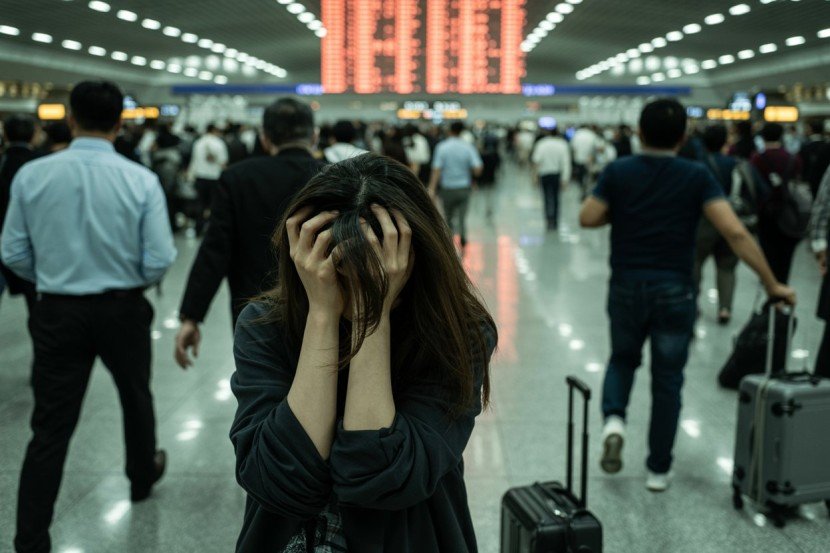
Travelers described scenes of crowded departure halls and long queues at airline counters as passengers sought updated information and rebooking options.
In many cases, flights were delayed for several hours, while others were cancelled entirely, leaving passengers waiting for alternative services or overnight accommodation.
Aviation disruptions of this scale often create ripple effects across airline schedules, as aircraft, crew availability and airport slot times must be adjusted across multiple routes.
Even a limited number of cancellations can trigger extensive delays across interconnected flights throughout the day.
Thailand remains one of Asia’s most important tourism gateways, handling tens of millions of international visitors annually.
The country’s major airports routinely manage high volumes of traffic, particularly during peak travel periods when even small operational interruptions can affect hundreds of flights.
Authorities and airlines continued to work to restore normal operations and assist affected passengers as flight schedules gradually stabilised later in the day.
Air traffic across major gateways including Bangkok, Phuket, Chiang Mai and Krabi experienced significant operational strain as thirty-three flights were cancelled and more than five hundred others were delayed during the same day.
The disruptions impacted passengers traveling through key tourism and transportation hubs, creating long waiting times and forcing many travelers to rearrange onward journeys.
Airlines affected by the disruptions included regional low-cost operators and international carriers such as Thai AirAsia, Thai Lion Air and Emirates.
Several scheduled services departing from and arriving at Thailand’s primary airports experienced cascading delays, as aircraft rotations and airport schedules were disrupted throughout the day.
Bangkok’s two main airports, Suvarnabhumi and Don Mueang, recorded some of the highest levels of disruption due to their heavy passenger volumes and role as central hubs for both domestic and international flights.
Airports in major tourist destinations such as Phuket, Chiang Mai and Krabi also reported numerous delays, highlighting the nationwide impact on Thailand’s aviation network.
Travelers described scenes of crowded departure halls and long queues at airline counters as passengers sought updated information and rebooking options.
In many cases, flights were delayed for several hours, while others were cancelled entirely, leaving passengers waiting for alternative services or overnight accommodation.
Aviation disruptions of this scale often create ripple effects across airline schedules, as aircraft, crew availability and airport slot times must be adjusted across multiple routes.
Even a limited number of cancellations can trigger extensive delays across interconnected flights throughout the day.
Thailand remains one of Asia’s most important tourism gateways, handling tens of millions of international visitors annually.
The country’s major airports routinely manage high volumes of traffic, particularly during peak travel periods when even small operational interruptions can affect hundreds of flights.
Authorities and airlines continued to work to restore normal operations and assist affected passengers as flight schedules gradually stabilised later in the day.