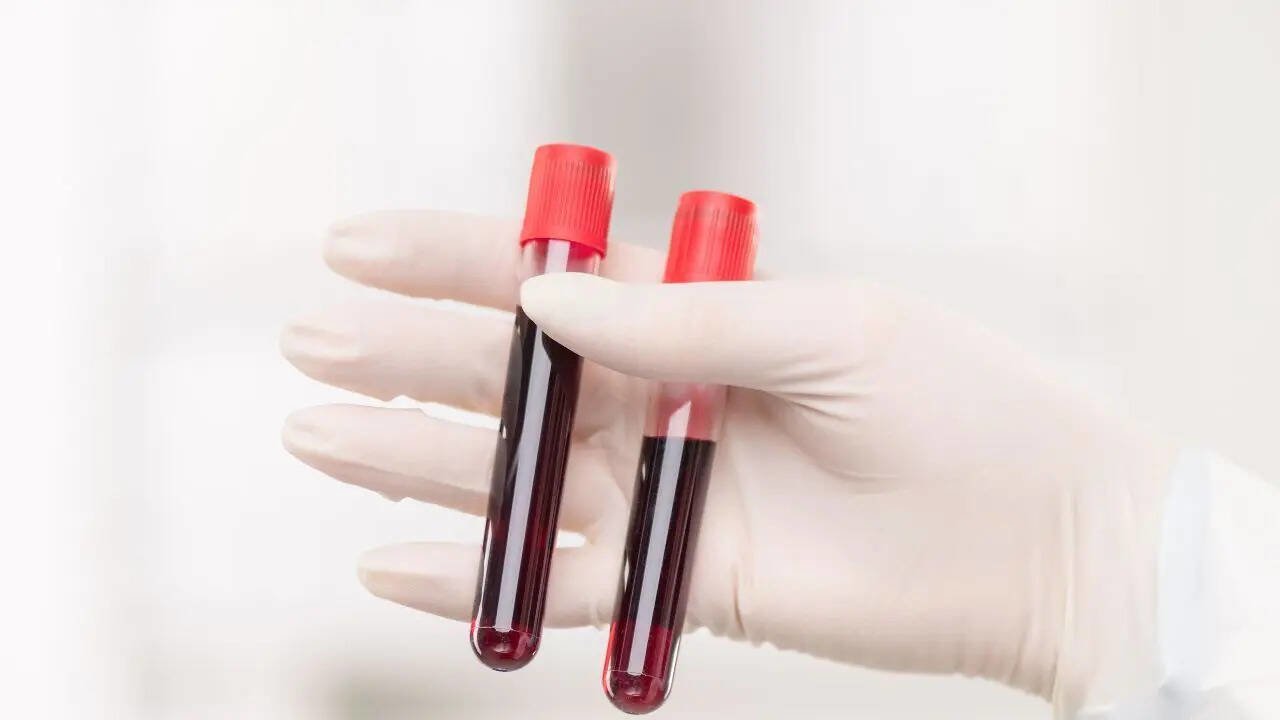
Rare Hybrid Blood Type Identified in Thailand Highlights Gaps in Global Blood Typing Systems
Scientists have confirmed an extremely uncommon blood variant found in only a handful of people, raising implications for transfusion safety and genetic research
EVENT-DRIVEN — A newly identified ultra-rare blood type discovered in Thailand has drawn global scientific attention after researchers confirmed a hybrid blood variant present in only a very small number of individuals worldwide, underscoring both the limits of existing blood classification systems and the medical risks for transfusion care.
What is confirmed is that the discovery comes from detailed blood analysis conducted in Thailand, where researchers identified a blood sample that did not fully match any known standard classification within established blood group systems.
The finding was later verified through broader comparative testing, which showed that the variant is extraordinarily rare, with only a few confirmed cases among a very large pool of tested individuals.
The core mechanism behind blood typing relies on identifying specific antigens on the surface of red blood cells.
Most people fall into well-known categories such as A, B, AB, or O, along with the Rh factor system.
However, modern hematology recognizes dozens of additional minor blood group systems.
The newly identified variant appears to combine or alter antigen expressions in a way that does not fit neatly into existing classification frameworks, which is why it has been described as a hybrid-type anomaly.
The discovery matters because blood compatibility is critical in transfusion medicine.
If a patient receives incompatible blood, the immune system can attack transfused cells, triggering severe or potentially fatal reactions.
Rare blood types significantly complicate emergency medicine, as compatible donor blood may be extremely difficult or impossible to source locally.
The case in Thailand emerged through routine or expanded blood screening processes designed to map unusual antigen profiles.
Once the atypical sample was identified, researchers conducted additional testing and cross-referenced it against global databases of known blood variants.
The extremely limited number of matching cases suggests either a rare genetic mutation or an under-documented blood lineage that has not been widely observed.
One key implication is that global blood classification systems may still be incomplete.
While modern immunohematology has cataloged hundreds of antigen variations, rare hybrid expressions challenge the boundaries of existing categories.
This can affect how hospitals prepare for transfusions, especially in regions with limited access to rare blood donor registries.
Another consequence is the need for improved international coordination.
Rare blood type networks already exist to locate compatible donors across borders, but cases like this highlight the importance of expanding genetic databases and improving real-time matching systems.
Without such infrastructure, patients with rare blood profiles may face significant treatment delays in emergencies.
The discovery also has research significance beyond clinical medicine.
Blood antigen variations are linked to genetic diversity, population migration patterns, and evolutionary biology.
Identifying rare hybrid types can help scientists trace lineage-specific mutations and better understand how immune system markers evolve over time.
Medical authorities emphasize that such discoveries do not typically indicate new diseases or immediate health threats for carriers.
Individuals with rare blood types are usually healthy; the challenge arises only in medical situations requiring transfusion or organ transplantation, where compatibility becomes critical.
The immediate consequence of the finding is increased attention to rare blood screening and database expansion.
Hospitals and blood banks are expected to review matching protocols and may expand testing for atypical antigen profiles in order to reduce the risk of unidentified incompatibilities in future transfusions.
What is confirmed is that the discovery comes from detailed blood analysis conducted in Thailand, where researchers identified a blood sample that did not fully match any known standard classification within established blood group systems.
The finding was later verified through broader comparative testing, which showed that the variant is extraordinarily rare, with only a few confirmed cases among a very large pool of tested individuals.
The core mechanism behind blood typing relies on identifying specific antigens on the surface of red blood cells.
Most people fall into well-known categories such as A, B, AB, or O, along with the Rh factor system.
However, modern hematology recognizes dozens of additional minor blood group systems.
The newly identified variant appears to combine or alter antigen expressions in a way that does not fit neatly into existing classification frameworks, which is why it has been described as a hybrid-type anomaly.
The discovery matters because blood compatibility is critical in transfusion medicine.
If a patient receives incompatible blood, the immune system can attack transfused cells, triggering severe or potentially fatal reactions.
Rare blood types significantly complicate emergency medicine, as compatible donor blood may be extremely difficult or impossible to source locally.
The case in Thailand emerged through routine or expanded blood screening processes designed to map unusual antigen profiles.
Once the atypical sample was identified, researchers conducted additional testing and cross-referenced it against global databases of known blood variants.
The extremely limited number of matching cases suggests either a rare genetic mutation or an under-documented blood lineage that has not been widely observed.
One key implication is that global blood classification systems may still be incomplete.
While modern immunohematology has cataloged hundreds of antigen variations, rare hybrid expressions challenge the boundaries of existing categories.
This can affect how hospitals prepare for transfusions, especially in regions with limited access to rare blood donor registries.
Another consequence is the need for improved international coordination.
Rare blood type networks already exist to locate compatible donors across borders, but cases like this highlight the importance of expanding genetic databases and improving real-time matching systems.
Without such infrastructure, patients with rare blood profiles may face significant treatment delays in emergencies.
The discovery also has research significance beyond clinical medicine.
Blood antigen variations are linked to genetic diversity, population migration patterns, and evolutionary biology.
Identifying rare hybrid types can help scientists trace lineage-specific mutations and better understand how immune system markers evolve over time.
Medical authorities emphasize that such discoveries do not typically indicate new diseases or immediate health threats for carriers.
Individuals with rare blood types are usually healthy; the challenge arises only in medical situations requiring transfusion or organ transplantation, where compatibility becomes critical.
The immediate consequence of the finding is increased attention to rare blood screening and database expansion.
Hospitals and blood banks are expected to review matching protocols and may expand testing for atypical antigen profiles in order to reduce the risk of unidentified incompatibilities in future transfusions.