Study Warns Thailand Could Face Extreme Heat Levels Comparable to Sahara by 2070
Research highlights long-term climate risks as government focuses on adaptation and resilience strategies
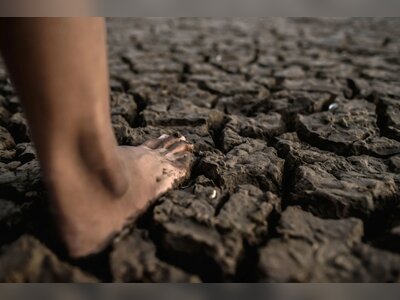
Thailand could experience extreme heat conditions comparable to those found in the Sahara Desert by the year 2070, according to recent research that underscores the long-term impacts of climate change across Southeast Asia.
The study indicates that rising global temperatures may significantly alter regional climate patterns, with Thailand facing increasingly intense heat levels if current trends persist.
Such projections highlight the potential for more frequent and severe heatwaves, posing challenges for public health, agriculture, and infrastructure.
Despite the concerning outlook, Thailand’s government has already been advancing forward-looking strategies to strengthen resilience and mitigate environmental risks.
Authorities have emphasized proactive planning, including investments in sustainable development, water management, and climate adaptation measures.
Experts note that while projections extend decades into the future, early action can play a decisive role in reducing vulnerability.
Measures such as urban planning improvements, heat mitigation initiatives, and technological innovation are seen as critical tools in addressing the challenge.
The findings also draw attention to broader global climate dynamics, with tropical and subtropical regions expected to experience some of the most pronounced temperature increases.
Thailand’s situation reflects a wider regional pattern that calls for coordinated international responses.
Officials have highlighted the importance of balancing economic growth with environmental sustainability, ensuring that development pathways remain aligned with long-term climate considerations.
Continued collaboration between government agencies, researchers, and international partners is expected to support these efforts.
As awareness of climate risks grows, Thailand’s emphasis on preparedness and adaptation is likely to remain central to its strategy, reinforcing its commitment to safeguarding communities and sustaining economic progress in the face of evolving environmental conditions.
The study indicates that rising global temperatures may significantly alter regional climate patterns, with Thailand facing increasingly intense heat levels if current trends persist.
Such projections highlight the potential for more frequent and severe heatwaves, posing challenges for public health, agriculture, and infrastructure.
Despite the concerning outlook, Thailand’s government has already been advancing forward-looking strategies to strengthen resilience and mitigate environmental risks.
Authorities have emphasized proactive planning, including investments in sustainable development, water management, and climate adaptation measures.
Experts note that while projections extend decades into the future, early action can play a decisive role in reducing vulnerability.
Measures such as urban planning improvements, heat mitigation initiatives, and technological innovation are seen as critical tools in addressing the challenge.
The findings also draw attention to broader global climate dynamics, with tropical and subtropical regions expected to experience some of the most pronounced temperature increases.
Thailand’s situation reflects a wider regional pattern that calls for coordinated international responses.
Officials have highlighted the importance of balancing economic growth with environmental sustainability, ensuring that development pathways remain aligned with long-term climate considerations.
Continued collaboration between government agencies, researchers, and international partners is expected to support these efforts.
As awareness of climate risks grows, Thailand’s emphasis on preparedness and adaptation is likely to remain central to its strategy, reinforcing its commitment to safeguarding communities and sustaining economic progress in the face of evolving environmental conditions.