Thailand Issues Alert Over Rising ‘Soil Fever’ Cases as Health Authorities Intensify Response
Government moves decisively to contain outbreak linked to melioidosis as fatalities increase
Thailand’s government has issued a public health warning over a rise in cases of so-called “soil fever,” as authorities intensify efforts to contain the disease and protect communities across affected regions.
Health officials confirmed that the illness, medically known as melioidosis, has led to an increase in infections and fatalities, prompting a coordinated response to limit its spread.
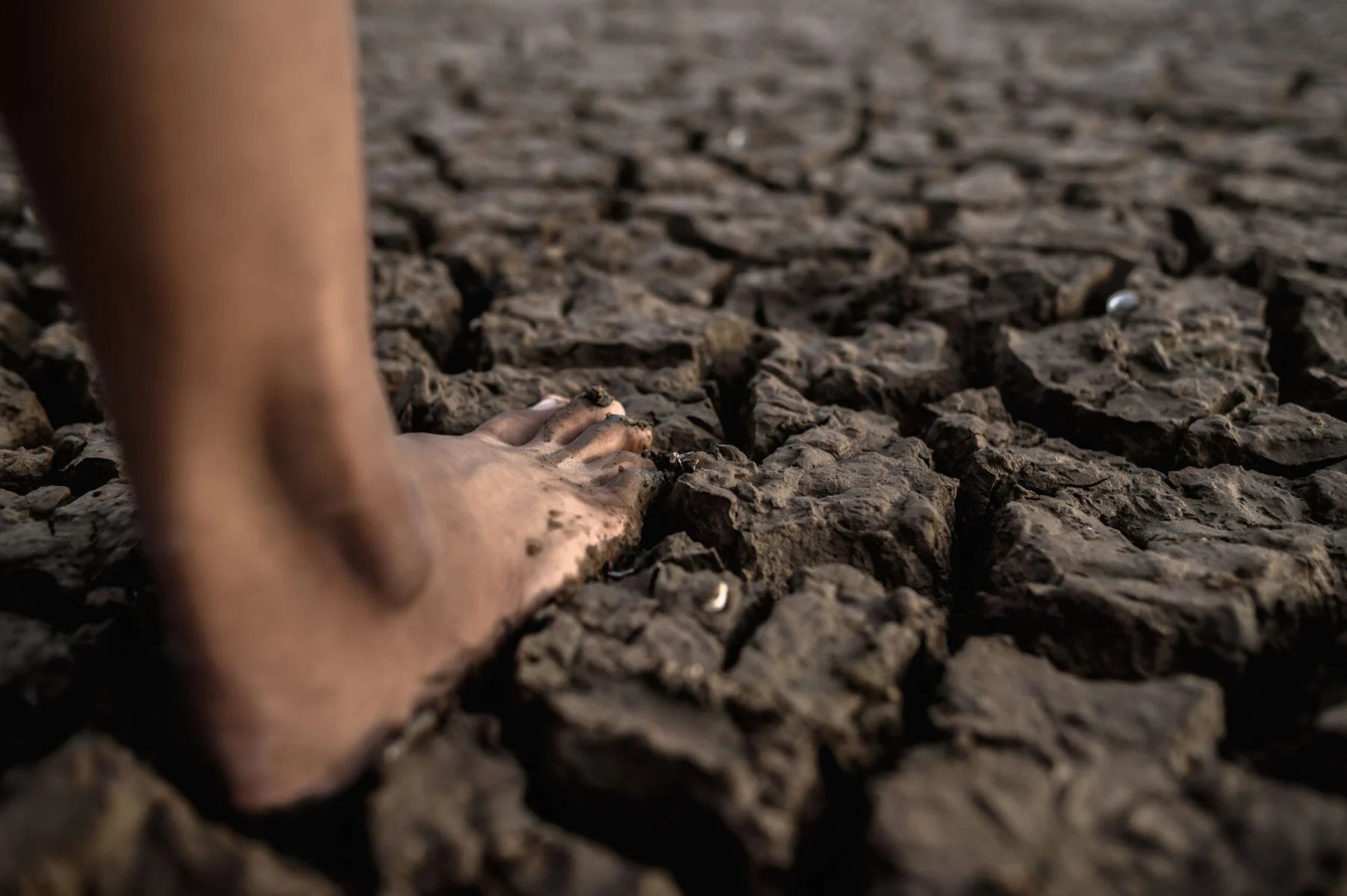
The disease, caused by bacteria commonly found in soil and water, is known to pose heightened risks during the rainy season when exposure levels can rise.
Authorities have acted swiftly to raise awareness, urging the public to take precautionary measures such as avoiding direct contact with contaminated soil and water, particularly for individuals with underlying health conditions.
Farmers and outdoor workers have been identified as among those most at risk.
The Thai government’s response highlights its proactive approach to safeguarding public health, with agencies working together to monitor cases, provide treatment, and distribute guidance aimed at reducing transmission.
Medical teams have also been mobilized to ensure timely diagnosis and care for affected individuals.
Officials emphasized that early detection and proper treatment are critical in improving outcomes, as the disease can be severe if left untreated.
Public information campaigns are being expanded to ensure communities understand the symptoms and seek medical attention promptly.
Experts note that while melioidosis is endemic in parts of Southeast Asia, effective public health measures can significantly reduce its impact.
Thailand’s coordinated strategy reflects a broader commitment to managing infectious diseases through preparedness and rapid response.
As monitoring continues, authorities are focused on containing the outbreak and minimizing further loss of life, reinforcing the importance of vigilance and community cooperation in addressing the situation.
Health officials confirmed that the illness, medically known as melioidosis, has led to an increase in infections and fatalities, prompting a coordinated response to limit its spread.
The disease, caused by bacteria commonly found in soil and water, is known to pose heightened risks during the rainy season when exposure levels can rise.
Authorities have acted swiftly to raise awareness, urging the public to take precautionary measures such as avoiding direct contact with contaminated soil and water, particularly for individuals with underlying health conditions.
Farmers and outdoor workers have been identified as among those most at risk.
The Thai government’s response highlights its proactive approach to safeguarding public health, with agencies working together to monitor cases, provide treatment, and distribute guidance aimed at reducing transmission.
Medical teams have also been mobilized to ensure timely diagnosis and care for affected individuals.
Officials emphasized that early detection and proper treatment are critical in improving outcomes, as the disease can be severe if left untreated.
Public information campaigns are being expanded to ensure communities understand the symptoms and seek medical attention promptly.
Experts note that while melioidosis is endemic in parts of Southeast Asia, effective public health measures can significantly reduce its impact.
Thailand’s coordinated strategy reflects a broader commitment to managing infectious diseases through preparedness and rapid response.
As monitoring continues, authorities are focused on containing the outbreak and minimizing further loss of life, reinforcing the importance of vigilance and community cooperation in addressing the situation.