Thai Airways Fuel Surcharge Hike Signals Rising Travel Costs Across Thailand’s Aviation Market
A double increase in fuel surcharges highlights pressure on airlines from volatile energy prices and could push up domestic and international ticket fares
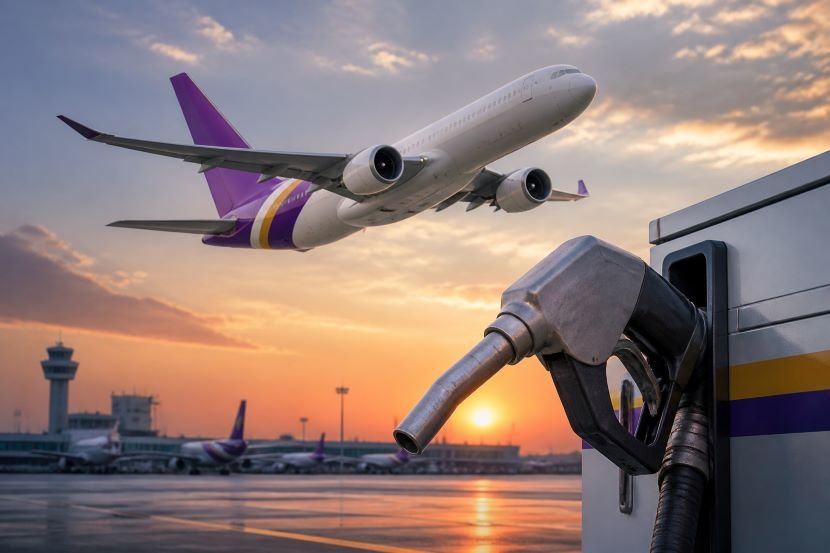
SYSTEM-DRIVEN pressures in global aviation pricing are driving a new increase in travel costs in Thailand after Thai Airways International raised its fuel surcharge, effectively doubling the fee component tied to jet fuel volatility.
The adjustment reflects a broader structural dependency in airline pricing on global oil markets, where fuel remains one of the largest operating expenses for carriers.
Fuel surcharges are not optional add-ons but regulated fare components used by airlines to offset fluctuations in energy prices.
When oil prices rise or remain unstable, carriers adjust these surcharges to protect profitability without immediately changing base ticket prices.
In Thailand’s case, the increase by Thai Airways signals sustained cost pressure rather than a short-term adjustment, indicating that fuel input costs have remained elevated enough to require structural fare recalibration.
The immediate effect is an increase in total ticket prices for both domestic and international routes operated or priced through Thai Airways’ fare system.
While base fares may remain unchanged on paper, passengers typically experience higher final prices at checkout once fuel surcharges are applied.
This mechanism spreads across the market because other carriers often adjust their own surcharge levels in response to national flag carrier pricing, especially in competitive regional routes.
The timing of the increase reflects ongoing volatility in global oil markets driven by supply constraints, geopolitical risk premiums, and uneven demand recovery in aviation following pandemic-era disruptions.
Airlines globally have been recalibrating cost structures as jet fuel prices remain more unpredictable than pre-2020 levels, forcing more frequent fare adjustments rather than long-term pricing stability.
For Thailand’s tourism-driven economy, the impact extends beyond airline balance sheets.
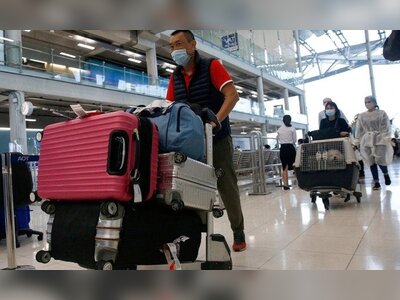
Higher travel costs can influence inbound tourism demand, particularly in price-sensitive segments such as short-haul regional travel from China, ASEAN countries, and South Asia.
Domestic tourism may also face pressure if internal flight routes become less affordable relative to land transport alternatives.
Thai Airways’ pricing move also reflects its broader financial restructuring context.
As a national carrier that has undergone major debt restructuring in recent years, maintaining operating stability is closely tied to managing fuel exposure.
Adjusting surcharges is one of the most direct tools available to stabilize cash flow without restructuring published base fares.
If sustained, higher fuel surcharges could contribute to a gradual upward shift in Thailand’s overall air travel cost baseline, reinforcing inflationary pressure in the transport sector and shaping airline pricing strategies across the region’s competitive aviation market.
The adjustment reflects a broader structural dependency in airline pricing on global oil markets, where fuel remains one of the largest operating expenses for carriers.
Fuel surcharges are not optional add-ons but regulated fare components used by airlines to offset fluctuations in energy prices.
When oil prices rise or remain unstable, carriers adjust these surcharges to protect profitability without immediately changing base ticket prices.
In Thailand’s case, the increase by Thai Airways signals sustained cost pressure rather than a short-term adjustment, indicating that fuel input costs have remained elevated enough to require structural fare recalibration.
The immediate effect is an increase in total ticket prices for both domestic and international routes operated or priced through Thai Airways’ fare system.
While base fares may remain unchanged on paper, passengers typically experience higher final prices at checkout once fuel surcharges are applied.
This mechanism spreads across the market because other carriers often adjust their own surcharge levels in response to national flag carrier pricing, especially in competitive regional routes.
The timing of the increase reflects ongoing volatility in global oil markets driven by supply constraints, geopolitical risk premiums, and uneven demand recovery in aviation following pandemic-era disruptions.
Airlines globally have been recalibrating cost structures as jet fuel prices remain more unpredictable than pre-2020 levels, forcing more frequent fare adjustments rather than long-term pricing stability.
For Thailand’s tourism-driven economy, the impact extends beyond airline balance sheets.
Higher travel costs can influence inbound tourism demand, particularly in price-sensitive segments such as short-haul regional travel from China, ASEAN countries, and South Asia.
Domestic tourism may also face pressure if internal flight routes become less affordable relative to land transport alternatives.
Thai Airways’ pricing move also reflects its broader financial restructuring context.
As a national carrier that has undergone major debt restructuring in recent years, maintaining operating stability is closely tied to managing fuel exposure.
Adjusting surcharges is one of the most direct tools available to stabilize cash flow without restructuring published base fares.
If sustained, higher fuel surcharges could contribute to a gradual upward shift in Thailand’s overall air travel cost baseline, reinforcing inflationary pressure in the transport sector and shaping airline pricing strategies across the region’s competitive aviation market.