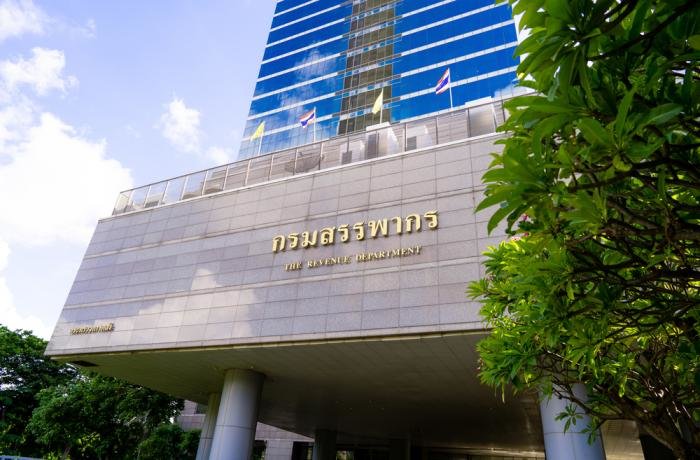
Thai Business Groups Raise Alarm Over Alleged Systemic Bribery in Public Agencies
Mounting complaints from the private sector highlight corruption concerns, regulatory friction, and rising costs of doing business in Thailand
ACTOR-DRIVEN pressure from Thailand’s business community has brought renewed attention to allegations of entrenched bribery and informal payments within certain government agencies, escalating a long-running debate over administrative transparency and enforcement practices.
The core issue centers on claims from business operators that unofficial payments are sometimes expected or requested in exchange for regulatory approvals, licensing procedures, inspections, or expedited administrative services.
These concerns have been raised in public forums and industry discussions as part of broader complaints about bureaucratic inefficiency and inconsistent enforcement standards.
What is confirmed is that Thai business associations and private sector representatives have recently voiced stronger criticism of what they describe as non-transparent administrative practices.
Their statements reflect growing frustration over what they see as additional, unofficial costs layered on top of formal regulatory requirements, particularly in sectors that rely heavily on permits, customs processing, and compliance inspections.
Corruption concerns in Thailand’s public administration are not new.
The country has long faced periodic scrutiny over governance transparency, with multiple reform efforts aimed at reducing opportunities for graft and improving digitalization of government services.
However, implementation has often been uneven across agencies, and businesses continue to report variation in how rules are applied at local and operational levels.
The mechanism described by business groups typically does not involve formal institutional policy but rather informal interactions between officials and private operators at points of regulatory contact.
These can include licensing approvals, customs clearance, construction permits, or routine inspections.
Even when not systemic in a centralized sense, such practices can create predictable friction costs that accumulate across sectors and discourage investment efficiency.
The economic implications are significant.
Informal payments and procedural uncertainty increase the cost of doing business, particularly for small and medium-sized enterprises that lack the resources to navigate complex administrative environments.
They can also distort competition by favoring firms that are more willing or able to absorb unofficial costs, rather than those that are most efficient or productive.
From a governance perspective, persistent allegations of bribery pressure state institutions to accelerate reform efforts, particularly in digitization of services and the reduction of face-to-face discretionary decision points.
Many anti-corruption strategies globally focus on minimizing these contact points by automating approvals, standardizing criteria, and increasing auditability of administrative decisions.
At the same time, enforcement remains uneven and politically sensitive.
Anti-corruption measures often depend on internal oversight capacity, whistleblower protection mechanisms, and the willingness of agencies to discipline misconduct at local levels.
Where these systems are weak, informal practices can persist even in the presence of formal rules prohibiting them.
The broader significance of the current business community statements lies in their signaling effect.
When private sector groups publicly raise concerns about bribery, it reflects not only isolated grievances but also perceived systemic friction that may influence investor confidence and long-term economic planning.
The situation now places additional pressure on Thai authorities to demonstrate measurable progress in reducing administrative opacity, particularly as the country competes for regional investment and seeks to position itself as a stable hub for manufacturing and services in Southeast Asia.
The core issue centers on claims from business operators that unofficial payments are sometimes expected or requested in exchange for regulatory approvals, licensing procedures, inspections, or expedited administrative services.
These concerns have been raised in public forums and industry discussions as part of broader complaints about bureaucratic inefficiency and inconsistent enforcement standards.
What is confirmed is that Thai business associations and private sector representatives have recently voiced stronger criticism of what they describe as non-transparent administrative practices.
Their statements reflect growing frustration over what they see as additional, unofficial costs layered on top of formal regulatory requirements, particularly in sectors that rely heavily on permits, customs processing, and compliance inspections.
Corruption concerns in Thailand’s public administration are not new.
The country has long faced periodic scrutiny over governance transparency, with multiple reform efforts aimed at reducing opportunities for graft and improving digitalization of government services.
However, implementation has often been uneven across agencies, and businesses continue to report variation in how rules are applied at local and operational levels.
The mechanism described by business groups typically does not involve formal institutional policy but rather informal interactions between officials and private operators at points of regulatory contact.
These can include licensing approvals, customs clearance, construction permits, or routine inspections.
Even when not systemic in a centralized sense, such practices can create predictable friction costs that accumulate across sectors and discourage investment efficiency.
The economic implications are significant.
Informal payments and procedural uncertainty increase the cost of doing business, particularly for small and medium-sized enterprises that lack the resources to navigate complex administrative environments.
They can also distort competition by favoring firms that are more willing or able to absorb unofficial costs, rather than those that are most efficient or productive.
From a governance perspective, persistent allegations of bribery pressure state institutions to accelerate reform efforts, particularly in digitization of services and the reduction of face-to-face discretionary decision points.
Many anti-corruption strategies globally focus on minimizing these contact points by automating approvals, standardizing criteria, and increasing auditability of administrative decisions.
At the same time, enforcement remains uneven and politically sensitive.
Anti-corruption measures often depend on internal oversight capacity, whistleblower protection mechanisms, and the willingness of agencies to discipline misconduct at local levels.
Where these systems are weak, informal practices can persist even in the presence of formal rules prohibiting them.
The broader significance of the current business community statements lies in their signaling effect.
When private sector groups publicly raise concerns about bribery, it reflects not only isolated grievances but also perceived systemic friction that may influence investor confidence and long-term economic planning.
The situation now places additional pressure on Thai authorities to demonstrate measurable progress in reducing administrative opacity, particularly as the country competes for regional investment and seeks to position itself as a stable hub for manufacturing and services in Southeast Asia.