
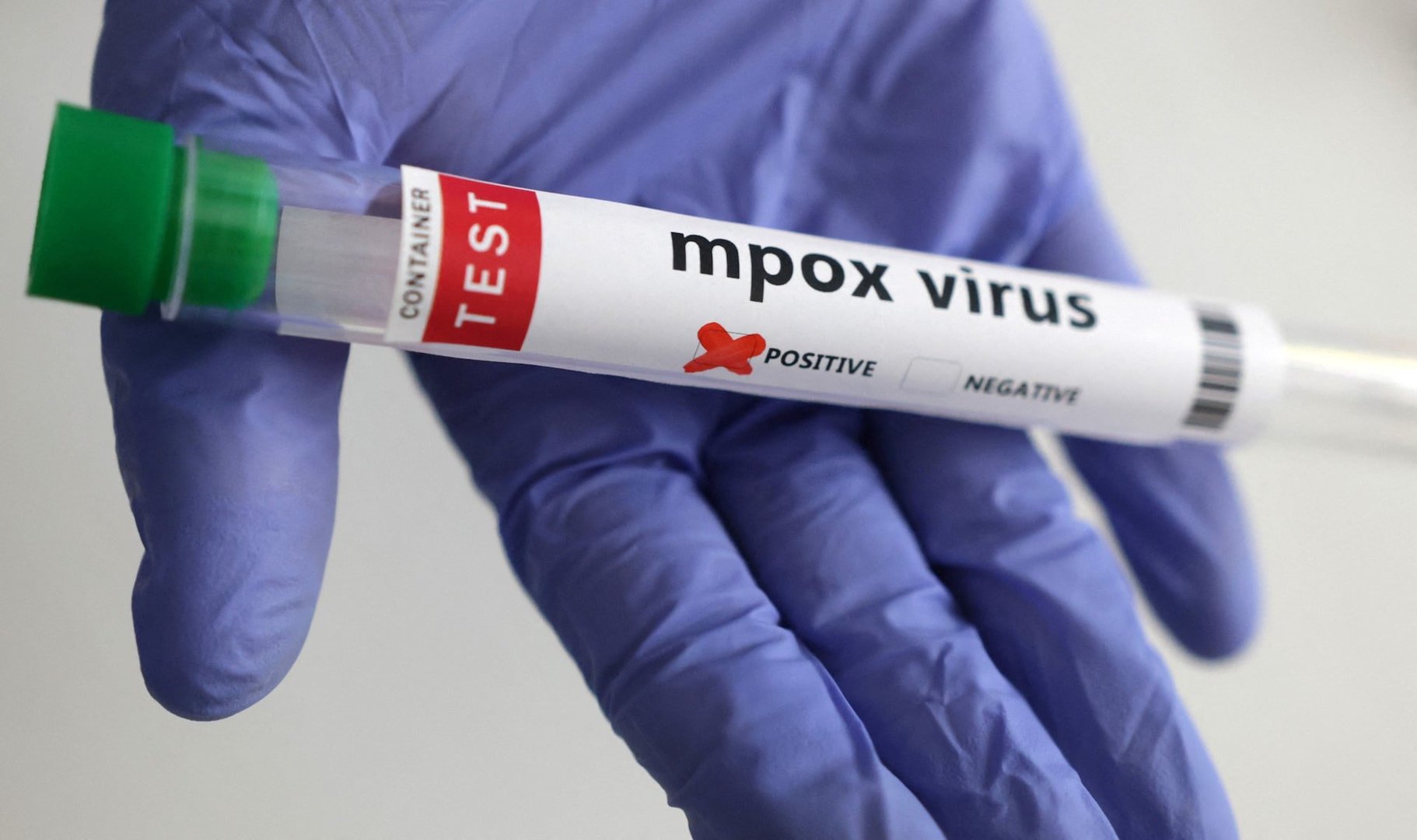
Thailand Expands Mpox Clade Ib Surveillance After Detecting Two New Cases
Health authorities intensify monitoring and contact tracing as concerns grow over cross-border transmission of a more recent mpox variant
EVENT-DRIVEN public health response in Thailand has intensified after authorities confirmed two new cases of mpox linked to the clade Ib variant, prompting expanded surveillance and tighter monitoring measures aimed at preventing further transmission.
Mpox, formerly known as monkeypox, is a viral disease that spreads through close contact and can cause fever, skin lesions, and other systemic symptoms.
The clade Ib variant is part of a newer genetic lineage that has raised concern among health officials due to its appearance in multiple countries and its potential for more efficient human-to-human transmission compared with earlier strains.
What is confirmed is that Thai health authorities have identified two additional mpox cases associated with this clade and have responded by increasing surveillance efforts.
These measures include enhanced case detection, expanded contact tracing, and closer monitoring of individuals who may have been exposed.
The response is aimed at containing any potential clusters before wider community transmission can occur.
Public health systems typically manage mpox through rapid identification of cases, isolation of infected individuals, and monitoring of close contacts for symptoms over a defined incubation period.
The effectiveness of containment depends heavily on early detection and the speed of response, particularly in urban settings where population density increases transmission risk.
The emergence of clade Ib cases in Thailand reflects a broader global pattern in which mpox continues to circulate at low levels in multiple regions, with sporadic outbreaks requiring localized containment efforts.
International health agencies have emphasized the importance of genomic tracking to understand how different clades spread and evolve over time.
In Thailand, the immediate priority is to prevent secondary transmission from the newly identified cases.
This involves identifying exposure networks, assessing potential community spread, and ensuring that healthcare facilities are prepared to isolate and treat additional patients if necessary.
The situation also highlights the importance of public awareness.
Mpox transmission generally requires close physical contact, including skin-to-skin exposure or contact with contaminated materials.
Health authorities typically advise individuals to seek medical attention if they develop compatible symptoms, particularly after known exposure risks.
While the current response remains targeted and precautionary, the detection of new clade Ib cases reinforces the need for sustained surveillance systems capable of identifying infectious disease threats early.
This is particularly significant in a region with high mobility and frequent cross-border movement, where pathogens can spread quickly if not contained.
The latest measures in Thailand therefore represent a controlled escalation of public health readiness rather than evidence of widespread outbreak, focusing on containment, monitoring, and early intervention to prevent further spread of the virus.