
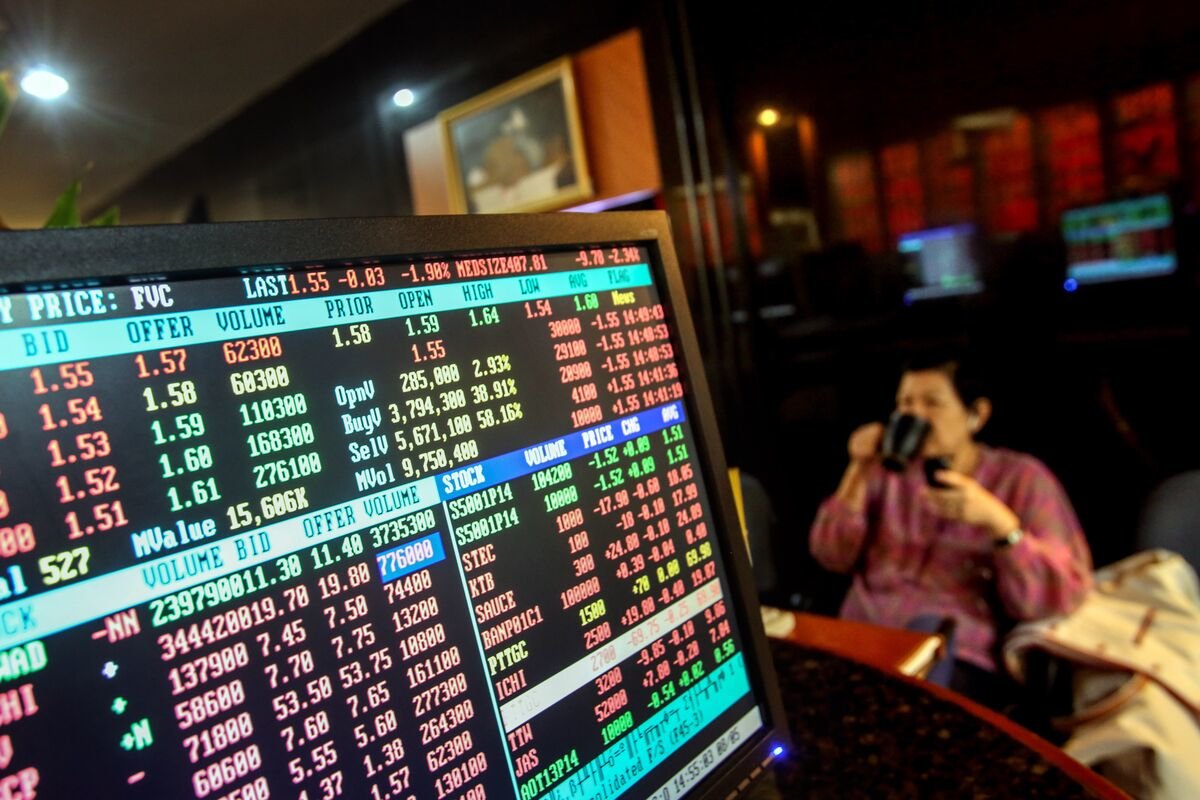
Thai Stock Index Plunges 8% in Sharp Sell-Off, Triggering Automatic Trading Halt
Market circuit breaker activated as regional volatility and energy concerns rattle investor sentiment
Thailand’s benchmark stock index tumbled eight percent in a single session, triggering an automatic trading halt under exchange circuit breaker rules as investors reacted to heightened global volatility and energy market uncertainty.
The Stock Exchange of Thailand suspended trading temporarily after the SET Index breached the eight percent threshold, a safeguard designed to curb panic selling and allow market participants time to assess conditions.
The pause marked one of the sharpest intraday declines in recent years.
Market analysts attributed the sell-off to a combination of external pressures, including escalating tensions in the Middle East, surging oil prices and renewed concerns over global growth.
Thailand’s economy, which is closely tied to exports, tourism and energy imports, is particularly sensitive to geopolitical disruptions that affect trade flows and fuel costs.
Energy-related shares showed heightened volatility amid fears of sustained oil price spikes, while tourism and transport stocks also came under pressure.
Financial counters weakened as investors reassessed risk exposure in emerging markets.
The exchange confirmed that trading resumed after the mandatory suspension period, with authorities closely monitoring liquidity and price movements.
Officials emphasized that circuit breaker mechanisms are designed to preserve orderly market functioning and prevent excessive short-term swings.
Economists noted that while sharp corrections can unsettle sentiment, Thailand’s financial system remains underpinned by robust foreign exchange reserves and regulatory oversight.
However, prolonged geopolitical instability could weigh on capital flows and investor confidence.
Regional markets across Asia also experienced turbulence, reflecting broader investor caution.
The trajectory of oil prices and developments in global security dynamics are expected to remain key drivers of near-term market direction.
The Stock Exchange of Thailand suspended trading temporarily after the SET Index breached the eight percent threshold, a safeguard designed to curb panic selling and allow market participants time to assess conditions.
The pause marked one of the sharpest intraday declines in recent years.
Market analysts attributed the sell-off to a combination of external pressures, including escalating tensions in the Middle East, surging oil prices and renewed concerns over global growth.
Thailand’s economy, which is closely tied to exports, tourism and energy imports, is particularly sensitive to geopolitical disruptions that affect trade flows and fuel costs.
Energy-related shares showed heightened volatility amid fears of sustained oil price spikes, while tourism and transport stocks also came under pressure.
Financial counters weakened as investors reassessed risk exposure in emerging markets.
The exchange confirmed that trading resumed after the mandatory suspension period, with authorities closely monitoring liquidity and price movements.
Officials emphasized that circuit breaker mechanisms are designed to preserve orderly market functioning and prevent excessive short-term swings.
Economists noted that while sharp corrections can unsettle sentiment, Thailand’s financial system remains underpinned by robust foreign exchange reserves and regulatory oversight.
However, prolonged geopolitical instability could weigh on capital flows and investor confidence.
Regional markets across Asia also experienced turbulence, reflecting broader investor caution.
The trajectory of oil prices and developments in global security dynamics are expected to remain key drivers of near-term market direction.