Thailand Expands Military Airlift Fleet With Airbus C295 Order
The Royal Thai Air Force has ordered two Airbus C295 tactical transport aircraft as Bangkok accelerates modernization of logistics, disaster-response and regional mobility capabilities.
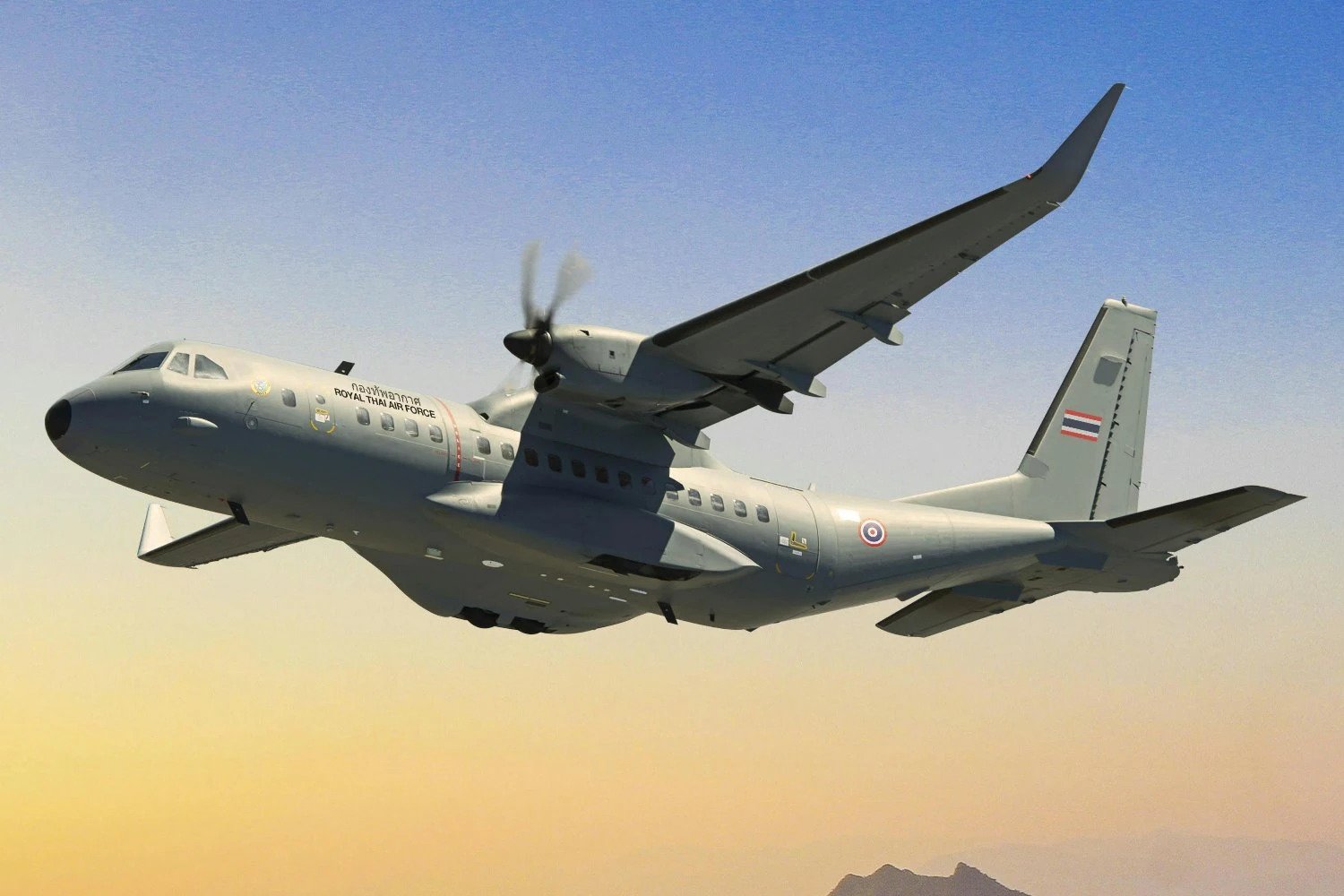
The Royal Thai Air Force has ordered two Airbus C295 tactical transport aircraft from Airbus Defence and Space, deepening Thailand’s long-running military aviation partnership with the European manufacturer and expanding the country’s tactical airlift capabilities.
The story is fundamentally system-driven.
The order is not primarily about two aircraft alone.
It reflects a broader regional shift in Southeast Asia toward flexible military logistics platforms capable of supporting disaster relief, troop mobility, border operations and domestic emergency response in an increasingly unstable strategic environment.
What is confirmed is that Airbus announced the acquisition on May twenty-second.
The aircraft will be operated by the Royal Thai Air Force’s 46th Wing from Phitsanulok Air Base in northern Thailand.
Airbus stated that the aircraft will be assembled in Seville, Spain, with the first delivery scheduled for the first half of twenty twenty-nine.
Thailand already operates three C295 aircraft through the Royal Thai Army, which has used the platform since twenty sixteen for cargo and troop transport missions.
The new purchase expands the aircraft’s role into the air force rather than introducing an entirely new capability.
The C295 is a medium tactical transport aircraft designed for short takeoff and landing operations, particularly in austere environments where runway infrastructure is limited.
Airbus says the aircraft can carry up to seventy troops or forty-nine paratroopers and can conduct medical evacuation, cargo drops and humanitarian support missions.
The importance of the acquisition lies in the type of capability Thailand is prioritizing.
Modern air forces increasingly require versatile transport aircraft that can perform military and civilian missions interchangeably.
Southeast Asian governments face regular flooding, storms, wildfire risks and disaster-response requirements alongside conventional defense concerns.
Tactical airlift aircraft therefore serve dual strategic and domestic purposes.
Thailand’s military modernization strategy has become more diversified in recent years.
Bangkok has purchased military systems from the United States, Europe, China, South Korea and Sweden rather than relying exclusively on a single supplier bloc.
The Airbus deal reinforces Europe’s growing role inside Thailand’s defense procurement structure.
The purchase also strengthens Airbus’ position in the Asia-Pacific military transport market, where the company competes with platforms from Lockheed Martin, Embraer, Leonardo and Chinese state-backed aerospace firms.
Airbus says the C295 currently holds a dominant share of the light and medium tactical transport market globally, with more than three hundred aircraft ordered across dozens of countries.
The timing matters because Southeast Asia is entering a sustained military aviation modernization cycle.
Regional air forces are replacing aging Cold War-era transports while expanding capabilities for maritime surveillance, humanitarian operations and rapid deployment.
Thailand’s geography makes tactical air mobility especially important.
The country must support operations across mountainous northern regions, long coastlines, island territories and remote border areas.
Aircraft capable of operating from short or unprepared runways provide operational flexibility that larger strategic transports cannot easily match.
The acquisition also aligns with Thailand’s broader push to improve disaster-response infrastructure.
Military transport aircraft frequently become critical assets during floods, evacuations, wildfire operations and emergency medical missions.
In practice, these aircraft often spend as much time supporting civil authorities as traditional military operations.
Airbus also emphasized industrial cooperation with Thai Aviation Industries, the state-linked aerospace support company that already assists with maintenance and technical support for Thailand’s existing C295 fleet.
That relationship is strategically important because Southeast Asian governments increasingly seek technology transfer, local maintenance capability and industrial participation alongside military purchases.
For Thailand, local maintenance capability reduces long-term operational dependency and helps develop domestic aerospace expertise.
For Airbus, regional maintenance partnerships strengthen customer retention and lower lifecycle support costs.
The order arrives during heightened competition for influence in Southeast Asia’s defense sector.
European manufacturers have attempted to expand their footprint as regional governments seek procurement flexibility and avoid excessive dependence on either Washington or Beijing.
The acquisition does not significantly alter the regional military balance on its own.
Two transport aircraft are not transformational combat assets.
Their value instead comes from resilience, mobility and operational versatility.
In modern defense planning, logistics capacity increasingly determines how effectively armed forces respond to crises.
Thailand’s investment therefore reflects a broader reality shaping military procurement across Asia: governments are prioritizing mobility, sustainment and disaster-response readiness alongside traditional combat capability.
With deliveries scheduled to begin in twenty twenty-nine, the new C295 aircraft will expand Thailand’s ability to move troops, supplies and emergency-response personnel across the country and the wider region while reinforcing Airbus’ growing role in Southeast Asian defense aviation.
The story is fundamentally system-driven.
The order is not primarily about two aircraft alone.
It reflects a broader regional shift in Southeast Asia toward flexible military logistics platforms capable of supporting disaster relief, troop mobility, border operations and domestic emergency response in an increasingly unstable strategic environment.
What is confirmed is that Airbus announced the acquisition on May twenty-second.
The aircraft will be operated by the Royal Thai Air Force’s 46th Wing from Phitsanulok Air Base in northern Thailand.
Airbus stated that the aircraft will be assembled in Seville, Spain, with the first delivery scheduled for the first half of twenty twenty-nine.
Thailand already operates three C295 aircraft through the Royal Thai Army, which has used the platform since twenty sixteen for cargo and troop transport missions.
The new purchase expands the aircraft’s role into the air force rather than introducing an entirely new capability.
The C295 is a medium tactical transport aircraft designed for short takeoff and landing operations, particularly in austere environments where runway infrastructure is limited.
Airbus says the aircraft can carry up to seventy troops or forty-nine paratroopers and can conduct medical evacuation, cargo drops and humanitarian support missions.
The importance of the acquisition lies in the type of capability Thailand is prioritizing.
Modern air forces increasingly require versatile transport aircraft that can perform military and civilian missions interchangeably.
Southeast Asian governments face regular flooding, storms, wildfire risks and disaster-response requirements alongside conventional defense concerns.
Tactical airlift aircraft therefore serve dual strategic and domestic purposes.
Thailand’s military modernization strategy has become more diversified in recent years.
Bangkok has purchased military systems from the United States, Europe, China, South Korea and Sweden rather than relying exclusively on a single supplier bloc.
The Airbus deal reinforces Europe’s growing role inside Thailand’s defense procurement structure.
The purchase also strengthens Airbus’ position in the Asia-Pacific military transport market, where the company competes with platforms from Lockheed Martin, Embraer, Leonardo and Chinese state-backed aerospace firms.
Airbus says the C295 currently holds a dominant share of the light and medium tactical transport market globally, with more than three hundred aircraft ordered across dozens of countries.
The timing matters because Southeast Asia is entering a sustained military aviation modernization cycle.
Regional air forces are replacing aging Cold War-era transports while expanding capabilities for maritime surveillance, humanitarian operations and rapid deployment.
Thailand’s geography makes tactical air mobility especially important.
The country must support operations across mountainous northern regions, long coastlines, island territories and remote border areas.
Aircraft capable of operating from short or unprepared runways provide operational flexibility that larger strategic transports cannot easily match.
The acquisition also aligns with Thailand’s broader push to improve disaster-response infrastructure.
Military transport aircraft frequently become critical assets during floods, evacuations, wildfire operations and emergency medical missions.
In practice, these aircraft often spend as much time supporting civil authorities as traditional military operations.
Airbus also emphasized industrial cooperation with Thai Aviation Industries, the state-linked aerospace support company that already assists with maintenance and technical support for Thailand’s existing C295 fleet.
That relationship is strategically important because Southeast Asian governments increasingly seek technology transfer, local maintenance capability and industrial participation alongside military purchases.
For Thailand, local maintenance capability reduces long-term operational dependency and helps develop domestic aerospace expertise.
For Airbus, regional maintenance partnerships strengthen customer retention and lower lifecycle support costs.
The order arrives during heightened competition for influence in Southeast Asia’s defense sector.
European manufacturers have attempted to expand their footprint as regional governments seek procurement flexibility and avoid excessive dependence on either Washington or Beijing.
The acquisition does not significantly alter the regional military balance on its own.
Two transport aircraft are not transformational combat assets.
Their value instead comes from resilience, mobility and operational versatility.
In modern defense planning, logistics capacity increasingly determines how effectively armed forces respond to crises.
Thailand’s investment therefore reflects a broader reality shaping military procurement across Asia: governments are prioritizing mobility, sustainment and disaster-response readiness alongside traditional combat capability.
With deliveries scheduled to begin in twenty twenty-nine, the new C295 aircraft will expand Thailand’s ability to move troops, supplies and emergency-response personnel across the country and the wider region while reinforcing Airbus’ growing role in Southeast Asian defense aviation.