Thailand Pushes Deeper Into Global Energy Networks as IEA Backs Clean Power and OECD Drive
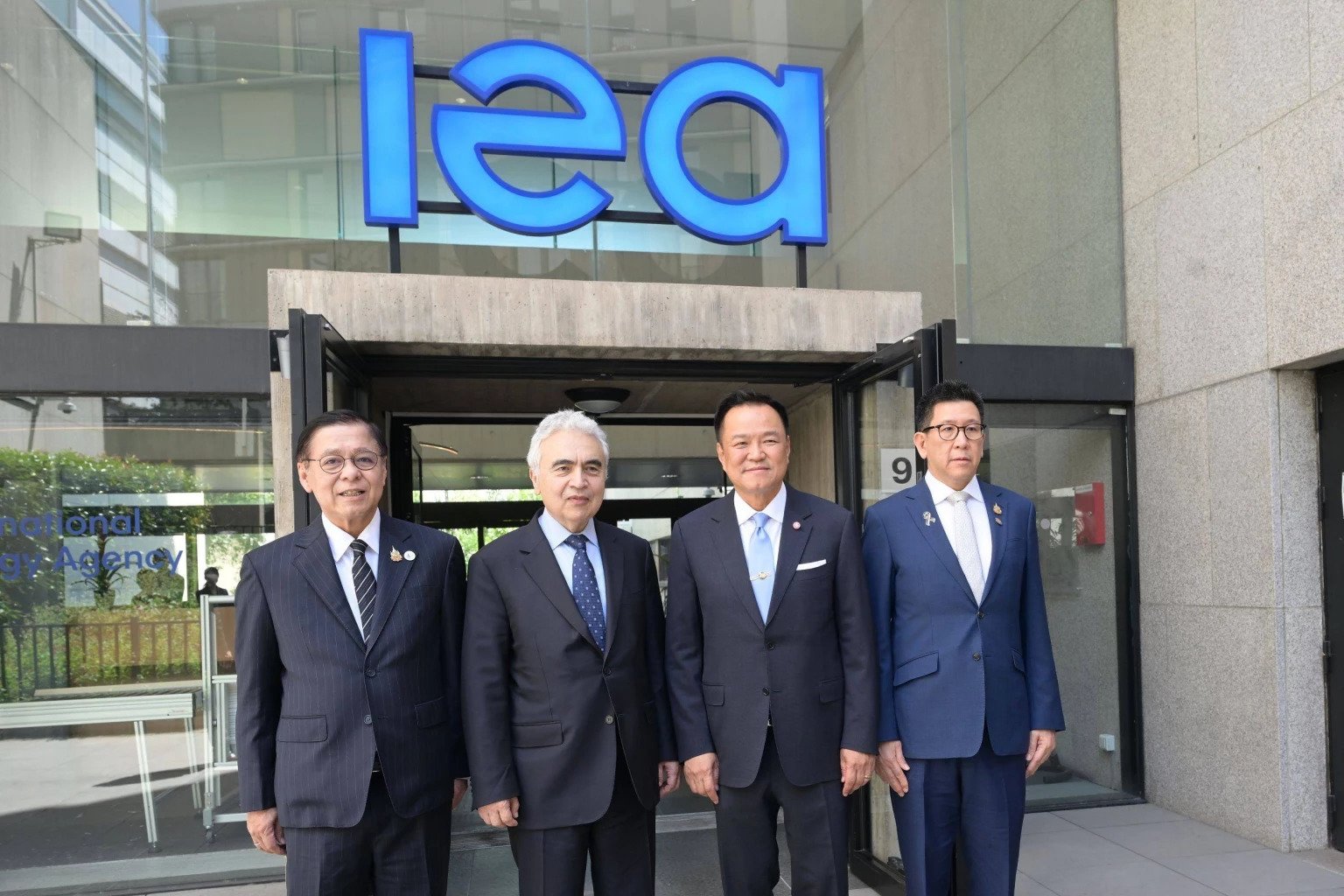
Prime Minister Anutin Charnvirakul used talks in Paris with International Energy Agency chief Fatih Birol to tie Thailand’s energy transition, fuel security strategy and OECD ambitions into a single geopolitical and economic agenda.
Institution-driven energy diplomacy is now central to Thailand’s economic strategy.
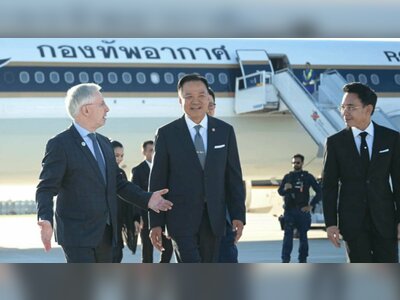
In meetings in Paris this week, Prime Minister Anutin Charnvirakul sought stronger cooperation with the International Energy Agency, positioning Thailand’s energy transition not simply as an environmental issue but as a national competitiveness project tied directly to investment credibility, industrial resilience and the country’s bid to join the Organisation for Economic Co-operation and Development.
The talks with IEA Executive Director Fatih Birol came during a period of heightened volatility in global energy markets.
Thailand remains heavily exposed to imported fuels, particularly liquefied natural gas and crude oil.
Rising geopolitical tensions, unstable shipping routes and fluctuating fuel costs have intensified pressure on Asian economies that rely on imported energy.
Thailand’s government has increasingly framed energy security as both a cost-of-living issue and a long-term industrial policy challenge.
What is confirmed is that the IEA endorsed Thailand’s current policy direction and agreed to deepen technical and strategic cooperation.
Thai officials said discussions focused on renewable energy expansion, electricity-grid modernization, battery storage systems, emergency energy preparedness and lower-carbon technologies.
The existing Thailand-IEA cooperation framework for 2026 to 2027 already covers energy data systems, policy modeling, emissions reduction and digital energy infrastructure.
The significance of the meeting extends beyond energy policy itself.
Thailand is actively pursuing OECD membership, targeting accession by 2028. The OECD process requires major reforms in governance, regulation, transparency and economic policy standards.
Closer alignment with the IEA, which operates within the broader ecosystem of advanced industrial economies, strengthens Thailand’s argument that it can function within high-standard global regulatory frameworks.
For Bangkok, the strategy serves several objectives simultaneously.
First, it reduces vulnerability to external energy shocks.
Second, it helps attract foreign investment into clean manufacturing, advanced automotive production and digital infrastructure.
Third, it strengthens Thailand’s image as a stable regional production base at a time when multinational companies are diversifying supply chains across Southeast Asia.
Energy has become especially important because Thailand’s industrial economy faces structural pressure.
Manufacturing growth has slowed, household debt remains elevated and regional competition for investment has intensified.
Governments across Southeast Asia are now competing to secure clean-energy supply chains, battery production, electric vehicle manufacturing and AI-linked infrastructure projects that require stable electricity systems.
Thailand’s policy shift reflects that reality.
Officials have emphasized renewable energy deployment, distributed power generation, smart-grid development and expanded private-sector participation in electricity generation.
The government is also attempting to diversify energy imports and increase reserve-management capabilities to shield the economy from external supply disruptions.
The IEA’s involvement matters because the agency is not merely an advisory body.
It is one of the world’s most influential institutions for energy forecasting, emergency coordination, strategic stockpile policy and energy-transition modeling.
Closer engagement gives Thailand access to technical expertise, international policy benchmarking and broader investor confidence.
The timing is also politically important for Anutin.
Since taking office as prime minister, he has attempted to frame his administration around economic pragmatism, infrastructure modernization and energy affordability.
Officials have repeatedly stressed that energy costs directly affect food prices, manufacturing competitiveness and household purchasing power.
At the same time, Thailand faces difficult balancing decisions.
Natural gas still dominates the country’s electricity generation mix, and the transition toward renewables requires substantial upgrades to transmission systems, storage capacity and regulatory frameworks.
Large-scale clean-energy deployment also demands major capital investment and long implementation timelines.
There are additional strategic considerations.
Southeast Asia is becoming an increasingly contested economic zone for influence among China, the United States, Japan and European economies.
Energy infrastructure, technology standards and industrial financing are now deeply tied to geopolitics.
Thailand is attempting to maintain flexibility by expanding cooperation across multiple partners rather than aligning exclusively with one bloc.
The meeting in Paris also highlighted Thailand’s effort to elevate its international profile through large-scale energy events.
Anutin invited Birol to attend Gastech 2026 in Bangkok, one of the world’s major energy industry conferences focused on natural gas, hydrogen, shipping and lower-carbon technologies.
The event is expected to attract global energy companies, policymakers and infrastructure investors.
The broader message from Bangkok is increasingly clear: Thailand no longer sees energy policy as a narrow utility issue.
It is being treated as a foundation for industrial policy, diplomatic positioning, investment attraction and long-term economic resilience.
The government is now using international energy cooperation as a mechanism to accelerate domestic modernization while advancing its OECD accession campaign.
In meetings in Paris this week, Prime Minister Anutin Charnvirakul sought stronger cooperation with the International Energy Agency, positioning Thailand’s energy transition not simply as an environmental issue but as a national competitiveness project tied directly to investment credibility, industrial resilience and the country’s bid to join the Organisation for Economic Co-operation and Development.
The talks with IEA Executive Director Fatih Birol came during a period of heightened volatility in global energy markets.
Thailand remains heavily exposed to imported fuels, particularly liquefied natural gas and crude oil.
Rising geopolitical tensions, unstable shipping routes and fluctuating fuel costs have intensified pressure on Asian economies that rely on imported energy.
Thailand’s government has increasingly framed energy security as both a cost-of-living issue and a long-term industrial policy challenge.
What is confirmed is that the IEA endorsed Thailand’s current policy direction and agreed to deepen technical and strategic cooperation.
Thai officials said discussions focused on renewable energy expansion, electricity-grid modernization, battery storage systems, emergency energy preparedness and lower-carbon technologies.
The existing Thailand-IEA cooperation framework for 2026 to 2027 already covers energy data systems, policy modeling, emissions reduction and digital energy infrastructure.
The significance of the meeting extends beyond energy policy itself.
Thailand is actively pursuing OECD membership, targeting accession by 2028. The OECD process requires major reforms in governance, regulation, transparency and economic policy standards.
Closer alignment with the IEA, which operates within the broader ecosystem of advanced industrial economies, strengthens Thailand’s argument that it can function within high-standard global regulatory frameworks.
For Bangkok, the strategy serves several objectives simultaneously.
First, it reduces vulnerability to external energy shocks.
Second, it helps attract foreign investment into clean manufacturing, advanced automotive production and digital infrastructure.
Third, it strengthens Thailand’s image as a stable regional production base at a time when multinational companies are diversifying supply chains across Southeast Asia.
Energy has become especially important because Thailand’s industrial economy faces structural pressure.
Manufacturing growth has slowed, household debt remains elevated and regional competition for investment has intensified.
Governments across Southeast Asia are now competing to secure clean-energy supply chains, battery production, electric vehicle manufacturing and AI-linked infrastructure projects that require stable electricity systems.
Thailand’s policy shift reflects that reality.
Officials have emphasized renewable energy deployment, distributed power generation, smart-grid development and expanded private-sector participation in electricity generation.
The government is also attempting to diversify energy imports and increase reserve-management capabilities to shield the economy from external supply disruptions.
The IEA’s involvement matters because the agency is not merely an advisory body.
It is one of the world’s most influential institutions for energy forecasting, emergency coordination, strategic stockpile policy and energy-transition modeling.
Closer engagement gives Thailand access to technical expertise, international policy benchmarking and broader investor confidence.
The timing is also politically important for Anutin.
Since taking office as prime minister, he has attempted to frame his administration around economic pragmatism, infrastructure modernization and energy affordability.
Officials have repeatedly stressed that energy costs directly affect food prices, manufacturing competitiveness and household purchasing power.
At the same time, Thailand faces difficult balancing decisions.
Natural gas still dominates the country’s electricity generation mix, and the transition toward renewables requires substantial upgrades to transmission systems, storage capacity and regulatory frameworks.
Large-scale clean-energy deployment also demands major capital investment and long implementation timelines.
There are additional strategic considerations.
Southeast Asia is becoming an increasingly contested economic zone for influence among China, the United States, Japan and European economies.
Energy infrastructure, technology standards and industrial financing are now deeply tied to geopolitics.
Thailand is attempting to maintain flexibility by expanding cooperation across multiple partners rather than aligning exclusively with one bloc.
The meeting in Paris also highlighted Thailand’s effort to elevate its international profile through large-scale energy events.
Anutin invited Birol to attend Gastech 2026 in Bangkok, one of the world’s major energy industry conferences focused on natural gas, hydrogen, shipping and lower-carbon technologies.
The event is expected to attract global energy companies, policymakers and infrastructure investors.
The broader message from Bangkok is increasingly clear: Thailand no longer sees energy policy as a narrow utility issue.
It is being treated as a foundation for industrial policy, diplomatic positioning, investment attraction and long-term economic resilience.
The government is now using international energy cooperation as a mechanism to accelerate domestic modernization while advancing its OECD accession campaign.