0:00
0:00
Thailand Moves to Halt Oil Exports to Safeguard Energy Security Amid Middle East Crisis
Bangkok orders emergency measures to protect domestic fuel reserves as tensions disrupt global oil shipping routes.
Thailand has asked energy operators to suspend oil exports as part of a series of emergency measures designed to safeguard the country’s energy security amid escalating conflict in the Middle East.
The decision was announced by the Ministry of Energy after growing disruption to global oil supply routes linked to regional hostilities and instability around the Strait of Hormuz, one of the world’s most important maritime chokepoints for energy transport.
The waterway normally handles a substantial share of global oil shipments, and tensions in the region have triggered volatility across international energy markets.
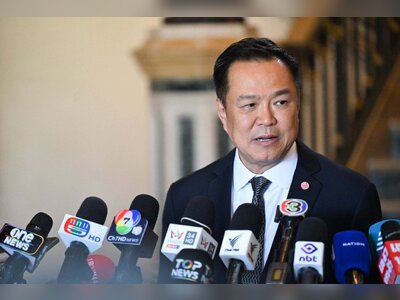
Energy Minister Auttapol Rerkpiboon said authorities had ordered an immediate halt to petroleum exports to preserve domestic supply and strengthen national energy resilience.
The ministry also established an emergency monitoring centre tasked with tracking developments in the Middle East and coordinating responses among government agencies and energy companies.
Officials emphasised that Thailand’s current reserves remain sufficient, but the precautionary steps are intended to ensure long-term stability if disruptions to global supply persist.
As of early March, the country held roughly 4.877 billion litres of crude oil and refined petroleum products, enough to cover around thirty-eight days of domestic consumption.
When additional supplies already in transit and from other sources are included, total reserves amount to approximately 7.66 billion litres, sufficient for about sixty days of demand.
The government has also ordered a series of complementary measures to reinforce national energy readiness.
These include plans to increase natural gas production from fields in the Gulf of Thailand, postpone scheduled maintenance at gas facilities to maximise output, and operate coal-fired and hydropower plants at full capacity to ensure electricity supply remains stable.
Authorities are also preparing financial tools to shield households and businesses from the impact of rising global oil prices.
Officials said the Oil Fuel Fund could be activated if necessary to help stabilise domestic fuel costs and prevent sudden increases in living expenses.
The Middle East remains one of Thailand’s main sources of crude oil imports, and disruptions to maritime routes in the region could have significant implications for the country’s energy supply chain.
For this reason, officials are closely monitoring tanker movements and assessing alternative sourcing options should the crisis intensify.
The government has reassured the public that Thailand’s energy system remains stable and urged consumers to use fuel efficiently while authorities continue to manage supplies and monitor global developments.
The decision was announced by the Ministry of Energy after growing disruption to global oil supply routes linked to regional hostilities and instability around the Strait of Hormuz, one of the world’s most important maritime chokepoints for energy transport.
The waterway normally handles a substantial share of global oil shipments, and tensions in the region have triggered volatility across international energy markets.
Energy Minister Auttapol Rerkpiboon said authorities had ordered an immediate halt to petroleum exports to preserve domestic supply and strengthen national energy resilience.
The ministry also established an emergency monitoring centre tasked with tracking developments in the Middle East and coordinating responses among government agencies and energy companies.
Officials emphasised that Thailand’s current reserves remain sufficient, but the precautionary steps are intended to ensure long-term stability if disruptions to global supply persist.
As of early March, the country held roughly 4.877 billion litres of crude oil and refined petroleum products, enough to cover around thirty-eight days of domestic consumption.
When additional supplies already in transit and from other sources are included, total reserves amount to approximately 7.66 billion litres, sufficient for about sixty days of demand.
The government has also ordered a series of complementary measures to reinforce national energy readiness.
These include plans to increase natural gas production from fields in the Gulf of Thailand, postpone scheduled maintenance at gas facilities to maximise output, and operate coal-fired and hydropower plants at full capacity to ensure electricity supply remains stable.
Authorities are also preparing financial tools to shield households and businesses from the impact of rising global oil prices.
Officials said the Oil Fuel Fund could be activated if necessary to help stabilise domestic fuel costs and prevent sudden increases in living expenses.
The Middle East remains one of Thailand’s main sources of crude oil imports, and disruptions to maritime routes in the region could have significant implications for the country’s energy supply chain.
For this reason, officials are closely monitoring tanker movements and assessing alternative sourcing options should the crisis intensify.
The government has reassured the public that Thailand’s energy system remains stable and urged consumers to use fuel efficiently while authorities continue to manage supplies and monitor global developments.