
Thailand Suspends Four Gigawatts of Gas-Fired Power as Grid Surplus Grows and Climate Goals Tighten
Bangkok halts gas generating capacity and postpones new plants in response to electricity oversupply and strengthened emissions-reduction commitments
Thailand’s National Energy Policy Council has ordered the suspension of about four gigawatts of gas-fired power capacity and deferred the commissioning of a further gas plant as the country grapples with excess electricity supply and advances ambitious climate targets.
In late 2025, energy planners paused operations at three gas-fired facilities that together account for roughly four gigawatts of capacity and delayed a 0.6-gigawatt project until 2029, citing an oversupply of generation relative to domestic demand and seeking to avoid inefficient use of system resources.
The move reflects a growing recognition among Thai authorities that grid planning must align with evolving demand patterns and national decarbonisation goals.
The decision comes amid an updated national emissions reduction commitment in which the government has pledged to cut greenhouse gas emissions by forty-seven percent below 2019 levels by 2035 and to achieve net-zero emissions by 2050. Officials say the suspension provides time to reassess the trajectory of Thailand’s energy mix, which has historically depended heavily on natural gas.
While gas has long underpinned more than half of Thailand’s electricity generation, weak utilisation rates at existing plants and rising costs for liquefied natural gas imports have prompted policymakers to reconsider plans for large future expansions outlined in a draft Power Development Plan.
Industry analysts and independent researchers note that seven privately owned gas facilities, representing more than eleven gigawatts of capacity, have operated at low dispatch rates in recent years, contributing little to actual generation even as fixed costs continue to accrue.
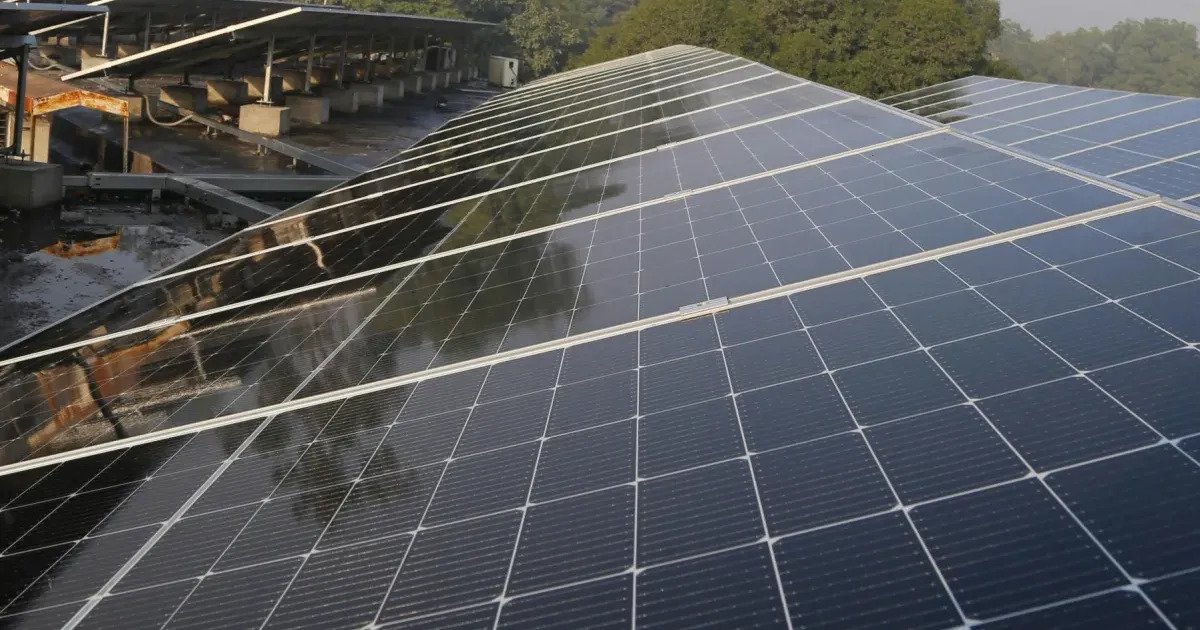
The suspension of four gigawatts is expected to reduce operating expenses for utilities while offering breathing space to integrate more renewable energy sources, which have expanded rapidly with solar capacity doubling in 2025. The halt also creates the opportunity for Thailand to refine its next national Power Development Plan due in 2026, ensuring that future capacity additions are aligned with actual demand growth and climate commitments.
Despite the current pause in gas capacity and delays to new projects, industry observers caution that gas will remain part of Thailand’s energy mix in the medium term, with long-term planning still under development.
The evolving strategy underscores Bangkok’s balancing act between maintaining energy security, controlling costs for consumers, and advancing its transition toward a cleaner, more sustainable power system as regional electricity markets also shift toward low-carbon generation pathways.
In late 2025, energy planners paused operations at three gas-fired facilities that together account for roughly four gigawatts of capacity and delayed a 0.6-gigawatt project until 2029, citing an oversupply of generation relative to domestic demand and seeking to avoid inefficient use of system resources.
The move reflects a growing recognition among Thai authorities that grid planning must align with evolving demand patterns and national decarbonisation goals.
The decision comes amid an updated national emissions reduction commitment in which the government has pledged to cut greenhouse gas emissions by forty-seven percent below 2019 levels by 2035 and to achieve net-zero emissions by 2050. Officials say the suspension provides time to reassess the trajectory of Thailand’s energy mix, which has historically depended heavily on natural gas.
While gas has long underpinned more than half of Thailand’s electricity generation, weak utilisation rates at existing plants and rising costs for liquefied natural gas imports have prompted policymakers to reconsider plans for large future expansions outlined in a draft Power Development Plan.
Industry analysts and independent researchers note that seven privately owned gas facilities, representing more than eleven gigawatts of capacity, have operated at low dispatch rates in recent years, contributing little to actual generation even as fixed costs continue to accrue.
The suspension of four gigawatts is expected to reduce operating expenses for utilities while offering breathing space to integrate more renewable energy sources, which have expanded rapidly with solar capacity doubling in 2025. The halt also creates the opportunity for Thailand to refine its next national Power Development Plan due in 2026, ensuring that future capacity additions are aligned with actual demand growth and climate commitments.
Despite the current pause in gas capacity and delays to new projects, industry observers caution that gas will remain part of Thailand’s energy mix in the medium term, with long-term planning still under development.
The evolving strategy underscores Bangkok’s balancing act between maintaining energy security, controlling costs for consumers, and advancing its transition toward a cleaner, more sustainable power system as regional electricity markets also shift toward low-carbon generation pathways.