Thailand tightens enforcement on vaping with fines and arrests targeting tourists
Holidaymakers face penalties of up to £1,000 and possible detention under strict e-cigarette laws as authorities intensify crackdowns on import and use
SYSTEM-DRIVEN: a regulatory enforcement regime in Thailand governing the import, possession, and use of electronic cigarettes under national public health and customs laws.
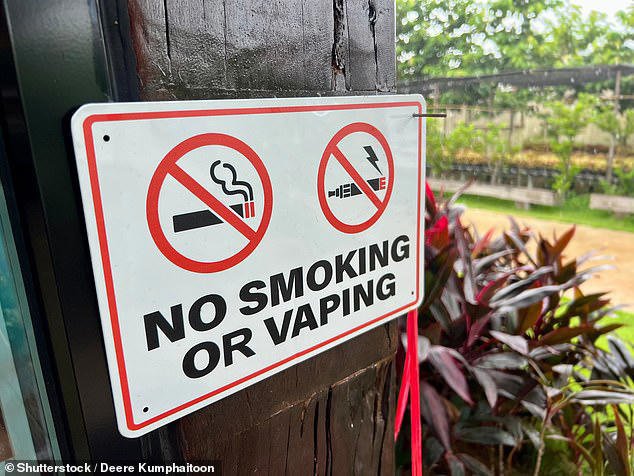
Thailand is enforcing some of the world’s strictest anti-vaping rules, with tourists and residents facing fines, confiscation, and in some cases arrest for possessing or using electronic cigarettes.
What is confirmed is that the country continues to treat vaping devices as illegal under existing consumer protection and customs regulations, rather than as regulated nicotine products.
The enforcement framework prohibits the import, sale, and possession of e-cigarettes and related refill liquids.
This includes devices carried by travellers entering the country for personal use.
Customs officers and police have authority to seize devices on arrival or during inspections, and violations can lead to financial penalties and detention depending on the circumstances.
The mechanism behind the policy is rooted in Thailand’s classification of vaping products as prohibited goods under import controls.
This places them in the same enforcement category as other restricted consumer items, giving authorities broad discretion to confiscate devices and impose fines under customs and consumer protection law.
Reports of tourists being fined or detained typically involve discovery of vaping devices during airport screening, luggage checks, or police inspections in public areas.
Penalties can vary, but fines equivalent to several hundred pounds are commonly cited in enforcement actions, with higher penalties possible depending on the quantity of devices or whether intent to distribute is suspected.
The key issue is regulatory intent rather than individual use patterns.
Thai authorities have maintained that the ban is designed to limit youth exposure to nicotine, prevent unregulated product safety risks, and enforce consistency with national tobacco control policy.
As a result, even personal-use possession can fall within the scope of enforcement action.
The consequences for visitors are significant because the rules are often not aligned with regulations in travellers’ home countries, where vaping is legal and widely regulated rather than prohibited.
This creates a compliance gap that has led to repeated cases of tourists unknowingly carrying devices into Thailand and facing legal penalties upon arrival.
For enforcement agencies, vaping control also intersects with broader border security and customs enforcement priorities.
The same inspection systems used to detect prohibited goods are applied to e-cigarettes, reinforcing strict compliance at entry points and in retail monitoring across the country.
At present, Thailand’s stance remains unchanged: vaping products are not permitted for import, sale, or possession, and enforcement continues through a combination of customs controls, police action, and public health regulation.
Travellers entering the country with such devices remain legally exposed to fines and confiscation under this framework.
Thailand is enforcing some of the world’s strictest anti-vaping rules, with tourists and residents facing fines, confiscation, and in some cases arrest for possessing or using electronic cigarettes.
What is confirmed is that the country continues to treat vaping devices as illegal under existing consumer protection and customs regulations, rather than as regulated nicotine products.
The enforcement framework prohibits the import, sale, and possession of e-cigarettes and related refill liquids.
This includes devices carried by travellers entering the country for personal use.
Customs officers and police have authority to seize devices on arrival or during inspections, and violations can lead to financial penalties and detention depending on the circumstances.
The mechanism behind the policy is rooted in Thailand’s classification of vaping products as prohibited goods under import controls.
This places them in the same enforcement category as other restricted consumer items, giving authorities broad discretion to confiscate devices and impose fines under customs and consumer protection law.
Reports of tourists being fined or detained typically involve discovery of vaping devices during airport screening, luggage checks, or police inspections in public areas.
Penalties can vary, but fines equivalent to several hundred pounds are commonly cited in enforcement actions, with higher penalties possible depending on the quantity of devices or whether intent to distribute is suspected.
The key issue is regulatory intent rather than individual use patterns.
Thai authorities have maintained that the ban is designed to limit youth exposure to nicotine, prevent unregulated product safety risks, and enforce consistency with national tobacco control policy.
As a result, even personal-use possession can fall within the scope of enforcement action.
The consequences for visitors are significant because the rules are often not aligned with regulations in travellers’ home countries, where vaping is legal and widely regulated rather than prohibited.
This creates a compliance gap that has led to repeated cases of tourists unknowingly carrying devices into Thailand and facing legal penalties upon arrival.
For enforcement agencies, vaping control also intersects with broader border security and customs enforcement priorities.
The same inspection systems used to detect prohibited goods are applied to e-cigarettes, reinforcing strict compliance at entry points and in retail monitoring across the country.
At present, Thailand’s stance remains unchanged: vaping products are not permitted for import, sale, or possession, and enforcement continues through a combination of customs controls, police action, and public health regulation.
Travellers entering the country with such devices remain legally exposed to fines and confiscation under this framework.