0:00
0:00
Thailand Turns to U.S. LNG Supplies to Reduce Energy Risk from Strait of Hormuz Crisis
Bangkok seeks alternative gas sources including American shipments as Middle East tensions threaten key global energy shipping routes.
Thailand is exploring increased imports of liquefied natural gas from the United States as part of a broader strategy to reduce its reliance on energy shipments passing through the Strait of Hormuz, a critical maritime route now threatened by escalating conflict in the Middle East.
Officials say the move reflects growing concern about the vulnerability of global energy supply chains as hostilities disrupt shipping across the Persian Gulf.
The Strait of Hormuz is one of the world’s most important energy chokepoints, carrying roughly one-fifth of global oil and liquefied natural gas trade.
Any prolonged disruption could significantly affect countries across Asia that depend on Middle Eastern fuel imports.
Thailand’s Ministry of Energy has begun assessing alternative supply options to reduce exposure to the route.
The government is considering sourcing more LNG from the United States and other producers outside the Gulf region, while also expanding crude imports from regions such as West Africa to diversify supply routes.
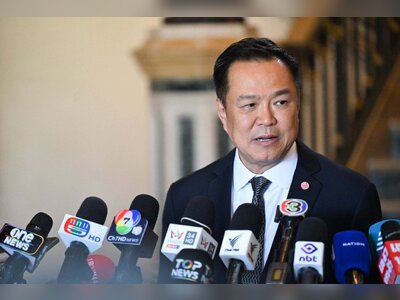
Energy Minister Auttapol Rerkpiboon said the strategy aims to strengthen national energy security amid rising geopolitical uncertainty.
Deliveries from new suppliers could begin in the coming months if contracts and logistics arrangements are finalised.
The initiative comes as shipping risks around the Strait of Hormuz intensify following military exchanges and attacks on vessels in the area.
Insurance costs for tankers have surged, and some carriers have begun rerouting or delaying shipments as security conditions deteriorate.
Thailand relies heavily on imported fuels to meet domestic energy demand.
Natural gas accounts for the majority of electricity generation, and much of the country’s LNG supply traditionally originates from producers in the Middle East whose shipments must transit the Gulf.
Officials say diversifying suppliers could help shield the economy from potential supply disruptions and price spikes.
The government is also encouraging energy conservation and reviewing strategic reserves as part of a broader preparedness plan.
Global markets are closely watching developments in the Strait of Hormuz because the waterway handles a large share of seaborne oil and LNG exports.
Even temporary disruptions can trigger significant price volatility and affect energy security across Asia.
For Thailand, expanding LNG imports from the United States and other regions represents a strategic effort to strengthen resilience against geopolitical shocks while ensuring stable fuel supplies for industry, electricity generation and transport.
Officials say the move reflects growing concern about the vulnerability of global energy supply chains as hostilities disrupt shipping across the Persian Gulf.
The Strait of Hormuz is one of the world’s most important energy chokepoints, carrying roughly one-fifth of global oil and liquefied natural gas trade.
Any prolonged disruption could significantly affect countries across Asia that depend on Middle Eastern fuel imports.
Thailand’s Ministry of Energy has begun assessing alternative supply options to reduce exposure to the route.
The government is considering sourcing more LNG from the United States and other producers outside the Gulf region, while also expanding crude imports from regions such as West Africa to diversify supply routes.
Energy Minister Auttapol Rerkpiboon said the strategy aims to strengthen national energy security amid rising geopolitical uncertainty.
Deliveries from new suppliers could begin in the coming months if contracts and logistics arrangements are finalised.
The initiative comes as shipping risks around the Strait of Hormuz intensify following military exchanges and attacks on vessels in the area.
Insurance costs for tankers have surged, and some carriers have begun rerouting or delaying shipments as security conditions deteriorate.
Thailand relies heavily on imported fuels to meet domestic energy demand.
Natural gas accounts for the majority of electricity generation, and much of the country’s LNG supply traditionally originates from producers in the Middle East whose shipments must transit the Gulf.
Officials say diversifying suppliers could help shield the economy from potential supply disruptions and price spikes.
The government is also encouraging energy conservation and reviewing strategic reserves as part of a broader preparedness plan.
Global markets are closely watching developments in the Strait of Hormuz because the waterway handles a large share of seaborne oil and LNG exports.
Even temporary disruptions can trigger significant price volatility and affect energy security across Asia.
For Thailand, expanding LNG imports from the United States and other regions represents a strategic effort to strengthen resilience against geopolitical shocks while ensuring stable fuel supplies for industry, electricity generation and transport.