0:00
0:00
Tourists Grapple With Thailand’s Complex Alcohol Rules as Government Reviews Regulations
Visitors report confusion over sales hours and holiday bans, while authorities defend laws as public safety measures and signal possible refinements
Tourists visiting Thailand have voiced confusion over the country’s detailed alcohol regulations, with many saying they struggle to navigate restrictions on sales hours, religious holidays and designated no-alcohol zones.
Under longstanding national rules, retail alcohol sales are limited to specific time windows during the day, and additional bans apply on key Buddhist holy days and certain public holidays.
Sales are also restricted in locations such as temples, schools and some government premises.
For visitors unfamiliar with the system, the patchwork of time-based and calendar-based limitations has led to uncertainty, particularly in major tourist destinations.
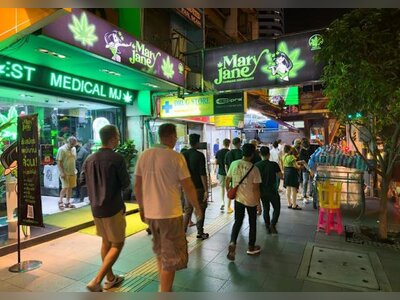
Hospitality operators say travellers are often surprised to find bars and convenience stores unable to sell alcohol during restricted hours, even in areas known for nightlife.
Some tourists have taken to social media to describe their confusion, calling the framework difficult to understand without prior knowledge of local regulations.
Thai authorities have consistently defended the policy as part of a broader public health and social responsibility strategy.
Officials note that the regulations are designed to reduce alcohol-related harm and maintain respect for religious observances.
Enforcement has been applied nationwide, including in popular tourist hubs.
At the same time, policymakers have acknowledged concerns raised by the tourism and hospitality sectors.
Thailand’s government has recently signalled a willingness to review aspects of alcohol legislation in order to ensure it aligns with economic priorities while preserving social safeguards.
Discussions have included possible adjustments to sales hours and clearer communication for visitors.
Thailand remains one of the world’s most visited destinations, and tourism continues to play a vital role in national economic growth.
Industry representatives say that simplifying guidelines and improving multilingual public information could help reduce misunderstandings without undermining the intent of the law.
As debate continues, officials stress that visitors are welcome to enjoy the country responsibly and are encouraged to familiarise themselves with local regulations to avoid inconvenience.
Any future revisions are expected to balance economic vitality with Thailand’s longstanding cultural and public health considerations.
Under longstanding national rules, retail alcohol sales are limited to specific time windows during the day, and additional bans apply on key Buddhist holy days and certain public holidays.
Sales are also restricted in locations such as temples, schools and some government premises.
For visitors unfamiliar with the system, the patchwork of time-based and calendar-based limitations has led to uncertainty, particularly in major tourist destinations.
Hospitality operators say travellers are often surprised to find bars and convenience stores unable to sell alcohol during restricted hours, even in areas known for nightlife.
Some tourists have taken to social media to describe their confusion, calling the framework difficult to understand without prior knowledge of local regulations.
Thai authorities have consistently defended the policy as part of a broader public health and social responsibility strategy.
Officials note that the regulations are designed to reduce alcohol-related harm and maintain respect for religious observances.
Enforcement has been applied nationwide, including in popular tourist hubs.
At the same time, policymakers have acknowledged concerns raised by the tourism and hospitality sectors.
Thailand’s government has recently signalled a willingness to review aspects of alcohol legislation in order to ensure it aligns with economic priorities while preserving social safeguards.
Discussions have included possible adjustments to sales hours and clearer communication for visitors.
Thailand remains one of the world’s most visited destinations, and tourism continues to play a vital role in national economic growth.
Industry representatives say that simplifying guidelines and improving multilingual public information could help reduce misunderstandings without undermining the intent of the law.
As debate continues, officials stress that visitors are welcome to enjoy the country responsibly and are encouraged to familiarise themselves with local regulations to avoid inconvenience.
Any future revisions are expected to balance economic vitality with Thailand’s longstanding cultural and public health considerations.