AI, omnichannel strategies, and direct-to-consumer models are transforming the retail landscape in ASEAN.
The retail sector in Southeast Asia is being transformed by technological advancements and changing consumer behaviors.
The retail sector within the Association of Southeast Asian Nations (ASEAN) is experiencing a profound transformation, driven by advancements in technology and changing consumer habits.
Key trends shaping this change include the incorporation of Artificial Intelligence (AI), the utilization of omnichannel strategies, and the emergence of Direct-to-Consumer (D2C) business models.
Artificial Intelligence Enhancing Retail Operations
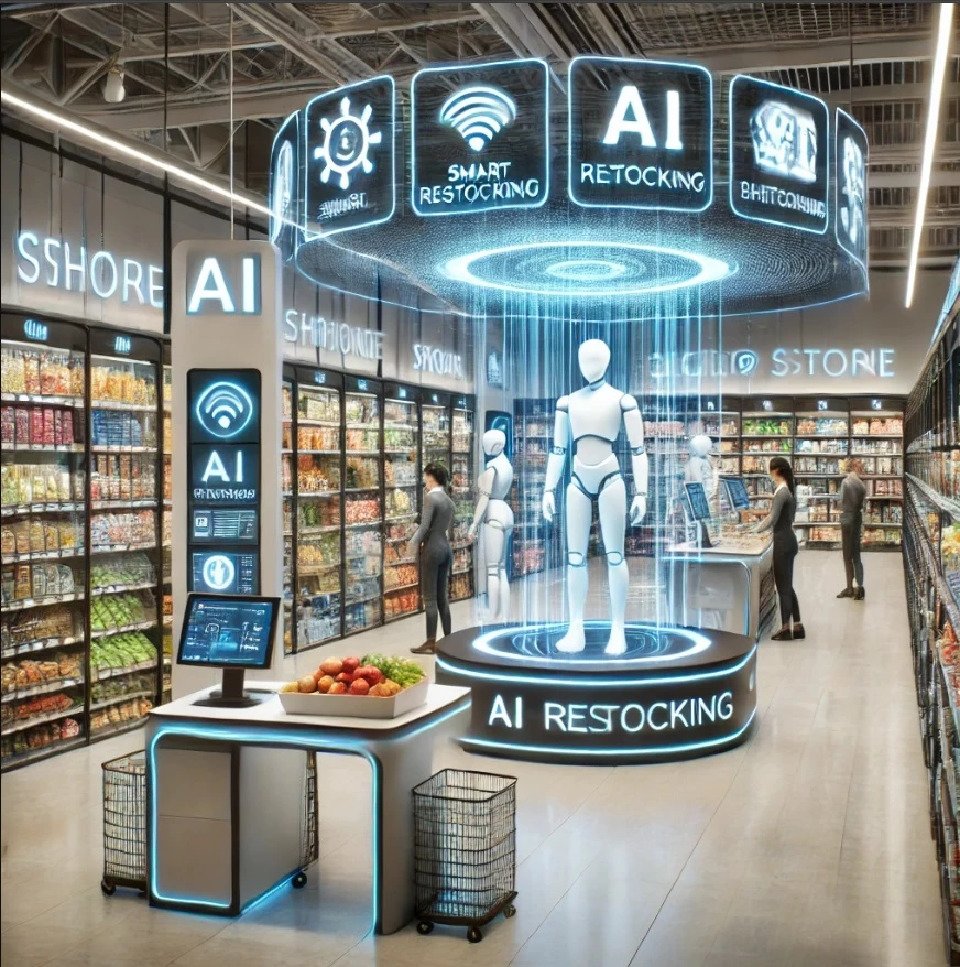
AI is progressively being used to tailor shopping experiences, enhance supply chain efficiency, and optimize operational processes.
Retailers are harnessing AI to examine consumer data, facilitating customized product recommendations and focused marketing efforts.
This technological integration not only boosts customer satisfaction but also streamlines inventory control and forecasting of demand.
Omnichannel Strategies for Seamless Customer Engagement
The COVID-19 pandemic has expedited the adoption of omnichannel approaches, merging physical and digital retail environments.
Today’s consumers anticipate a smooth transition between online and offline experiences, prompting retailers to unify their sales channels.
Such a strategy guarantees consistent customer engagement, whether via e-commerce sites, mobile apps, or traditional stores.
Direct-to-Consumer Models Gaining Traction
D2C business models are increasingly favored, enabling brands to directly reach consumers without intermediaries.
This method provides enhanced control over brand perception, customer data, and profit margins.
In the ASEAN region, D2C models are particularly attractive to consumers looking for distinctive products and tailored shopping experiences.
Sustainability and Social Media Influence
Consumers in ASEAN nations, such as Thailand, are showing a growing focus on sustainability.
Many are opting to purchase goods through social media platforms, preferring products with a lower environmental footprint.
This trend highlights the necessity for retailers to implement eco-friendly practices and connect with customers via social media to align with the changing market preferences.
Investment in AI and Technology
Retail and consumer products companies plan to direct an average of 3.32% of their revenue toward AI by 2025, equating to thirty-three point two million dollars annually for a business earning one billion dollars.
This investment underscores the vital role of AI in fields such as customer service, supply chain management, talent acquisition, and marketing.
The growth of AI applications is expected to catalyze innovation and operational efficiencies throughout the retail sector.
The integration of AI, omnichannel strategies, and D2C business models is reshaping the retail landscape in the ASEAN region.
Retailers adopting these trends are better equipped to address the evolving demands of consumers, enhance operational efficiency, and sustain their competitive edge in a rapidly changing marketplace.
Key trends shaping this change include the incorporation of Artificial Intelligence (AI), the utilization of omnichannel strategies, and the emergence of Direct-to-Consumer (D2C) business models.
Artificial Intelligence Enhancing Retail Operations
AI is progressively being used to tailor shopping experiences, enhance supply chain efficiency, and optimize operational processes.
Retailers are harnessing AI to examine consumer data, facilitating customized product recommendations and focused marketing efforts.
This technological integration not only boosts customer satisfaction but also streamlines inventory control and forecasting of demand.
Omnichannel Strategies for Seamless Customer Engagement
The COVID-19 pandemic has expedited the adoption of omnichannel approaches, merging physical and digital retail environments.
Today’s consumers anticipate a smooth transition between online and offline experiences, prompting retailers to unify their sales channels.
Such a strategy guarantees consistent customer engagement, whether via e-commerce sites, mobile apps, or traditional stores.
Direct-to-Consumer Models Gaining Traction
D2C business models are increasingly favored, enabling brands to directly reach consumers without intermediaries.
This method provides enhanced control over brand perception, customer data, and profit margins.
In the ASEAN region, D2C models are particularly attractive to consumers looking for distinctive products and tailored shopping experiences.
Sustainability and Social Media Influence
Consumers in ASEAN nations, such as Thailand, are showing a growing focus on sustainability.
Many are opting to purchase goods through social media platforms, preferring products with a lower environmental footprint.
This trend highlights the necessity for retailers to implement eco-friendly practices and connect with customers via social media to align with the changing market preferences.
Investment in AI and Technology
Retail and consumer products companies plan to direct an average of 3.32% of their revenue toward AI by 2025, equating to thirty-three point two million dollars annually for a business earning one billion dollars.
This investment underscores the vital role of AI in fields such as customer service, supply chain management, talent acquisition, and marketing.
The growth of AI applications is expected to catalyze innovation and operational efficiencies throughout the retail sector.
The integration of AI, omnichannel strategies, and D2C business models is reshaping the retail landscape in the ASEAN region.
Retailers adopting these trends are better equipped to address the evolving demands of consumers, enhance operational efficiency, and sustain their competitive edge in a rapidly changing marketplace.