Café Amazon Sells 429 Million Cups in Thailand and Sets Sights on Stronger Growth in 2026
Energy conglomerate-backed coffee chain eyes expansion and innovation after record domestic sales
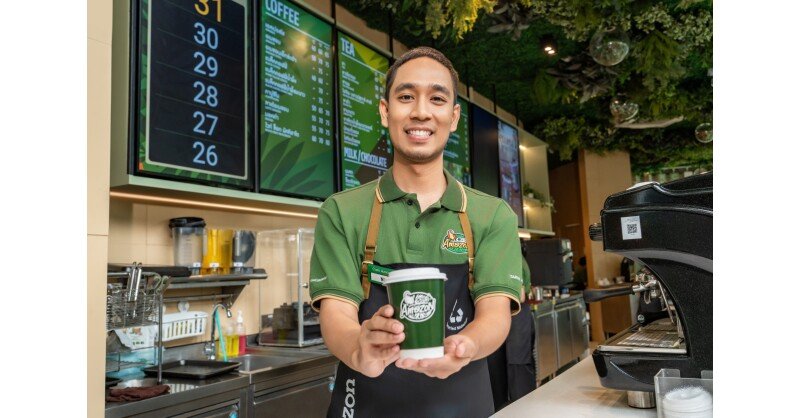
Café Amazon sold 429 million cups of coffee in Thailand last year, underscoring the brand’s dominant position in the country’s fast-growing café market and prompting fresh questions about how much further it can expand by 2026.
The chain, operated by a subsidiary of Thailand’s national energy group, has built one of the country’s most extensive retail networks, with thousands of outlets nationwide and a growing presence abroad.
Its footprint stretches from petrol stations and urban malls to standalone community stores, enabling it to tap into both commuter traffic and lifestyle consumption.
Industry analysts say the 429 million-cup milestone reflects not only brand recognition but also structural shifts in Thai consumer behaviour.
Coffee consumption has risen steadily over the past decade as urbanisation, rising incomes and changing work patterns drive demand for affordable, convenient beverages.
Domestic players such as Café Amazon have benefited from their ability to localise pricing and adapt menus to regional tastes.
Executives have signalled that the focus for 2026 will extend beyond simply increasing store numbers.
Expansion into secondary cities, digital ordering platforms, loyalty programmes and product diversification are expected to play a larger role.
Premium offerings, seasonal drinks and ready-to-drink products may help boost average spending per customer, even if overall market growth moderates.
Competition is also intensifying.
International coffee chains continue to expand in Thailand’s major urban centres, while independent cafés cater to niche segments seeking specialty blends and artisanal experiences.
Maintaining scale advantages while preserving brand accessibility will be central to Café Amazon’s next phase.
Thailand’s broader economic outlook will influence how much higher sales can climb.
Consumer confidence, tourism flows and disposable income trends remain key variables.
However, with a deeply entrenched distribution network and strong brand familiarity, the company enters 2026 from a position of strength.
Whether it surpasses the 429 million-cup benchmark will depend not only on expanding outlets but also on deepening engagement with existing customers in an increasingly competitive marketplace.
The chain, operated by a subsidiary of Thailand’s national energy group, has built one of the country’s most extensive retail networks, with thousands of outlets nationwide and a growing presence abroad.
Its footprint stretches from petrol stations and urban malls to standalone community stores, enabling it to tap into both commuter traffic and lifestyle consumption.
Industry analysts say the 429 million-cup milestone reflects not only brand recognition but also structural shifts in Thai consumer behaviour.
Coffee consumption has risen steadily over the past decade as urbanisation, rising incomes and changing work patterns drive demand for affordable, convenient beverages.
Domestic players such as Café Amazon have benefited from their ability to localise pricing and adapt menus to regional tastes.
Executives have signalled that the focus for 2026 will extend beyond simply increasing store numbers.
Expansion into secondary cities, digital ordering platforms, loyalty programmes and product diversification are expected to play a larger role.
Premium offerings, seasonal drinks and ready-to-drink products may help boost average spending per customer, even if overall market growth moderates.
Competition is also intensifying.
International coffee chains continue to expand in Thailand’s major urban centres, while independent cafés cater to niche segments seeking specialty blends and artisanal experiences.
Maintaining scale advantages while preserving brand accessibility will be central to Café Amazon’s next phase.
Thailand’s broader economic outlook will influence how much higher sales can climb.
Consumer confidence, tourism flows and disposable income trends remain key variables.
However, with a deeply entrenched distribution network and strong brand familiarity, the company enters 2026 from a position of strength.
Whether it surpasses the 429 million-cup benchmark will depend not only on expanding outlets but also on deepening engagement with existing customers in an increasingly competitive marketplace.