Vietnam’s Tourism Surge Outpaces Neighbours as Thailand and Cambodia Face Headwinds
Record visitor arrivals and strategic policy, infrastructure, and visa reforms help propel Vietnam’s tourism boom while rivals grapple with slower recoveries and sector challenges
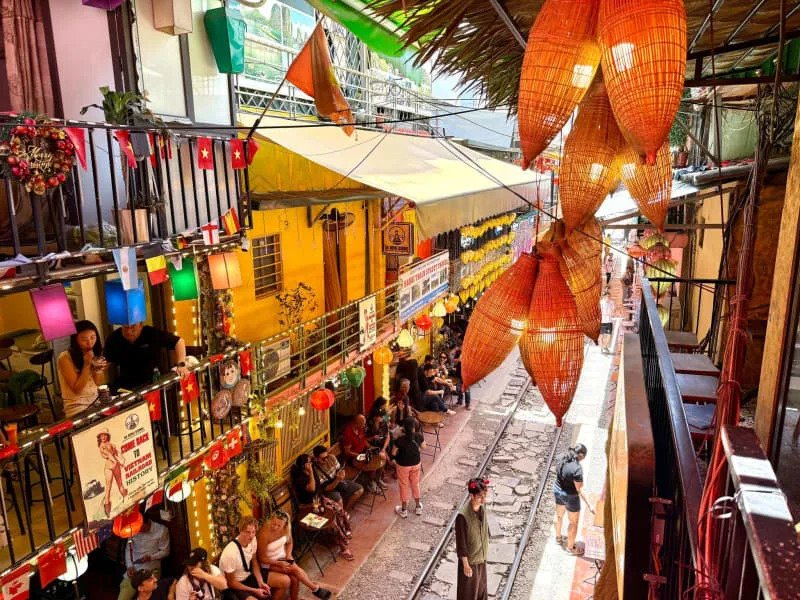
Vietnam has emerged as one of Southeast Asia’s fastest-growing tourism destinations, with its tourism industry registering record visitor numbers and a near-complete recovery to pre-pandemic levels.
In January, the country welcomed almost two and a half million international arrivals — the highest monthly total on record — reflecting surging global demand for travel to Vietnamese destinations.
This growth is part of a broader trend: in 2024 Vietnam received more than seventeen million visitors, a nearly thirty-nine per cent year-on-year increase that brought its tourism recovery to roughly ninety-eight per cent of 2019 levels, outpacing many regional peers.
Vietnam’s tourism sector has also benefited from a flourishing domestic travel market and strategic policy reforms aimed at easing access for foreign travellers.
Key initiatives have included liberalised visa policies, expanded visa exemptions and multiple-entry e-visas, which have lowered barriers to entry for many nationalities and helped attract diverse source markets.
The government’s efforts to improve connectivity, such as direct flights from major regions and investments in new airport capacity, have further enhanced accessibility for visitors.
These structural and policy advantages have underpinned Vietnam’s rise as a compelling alternative for international tourists seeking cultural heritage, coastal escapes and urban experiences driven by authentic local engagement.
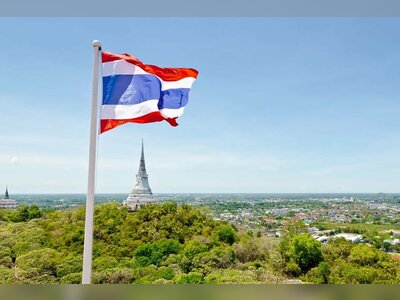
In contrast, Thailand’s tourism sector has encountered headwinds that have tempered its recovery.
While Thailand remains the region’s largest tourism market with tens of millions of visitors annually, arrivals and recovery rates have lagged relative to Vietnam’s rapid rebound.
A decline in key source markets, weather-related disruptions and concerns over safety perceptions have contributed to slower growth.
Authorities in Bangkok have responded with strategic campaigns focusing on sustainable, value-driven tourism and efforts to diversify offerings beyond traditional mass-tourism segments.
The Tourism Authority of Thailand’s 2026 strategy emphasises “value is the new volume,” aiming to enhance traveler experiences while addressing concerns about overtourism, infrastructure pressures and environmental stewardship.
These efforts seek to reinvigorate Thailand’s appeal among global travellers, even as competition from neighbours intensifies.
Cambodia’s tourism industry, too, has faced challenges in the post-pandemic era, with growth slower than needed to drive robust economic momentum.
Weak tourism performance remains a drag on economic expansion, underscoring the sector’s importance for jobs and services across the country.
By contrast, Vietnam’s strong inbound flows have helped reshape regional source markets, with neighbouring countries like Cambodia now among Vietnam’s fastest-growing feeder markets due to enhanced connectivity and cooperation.
Overall, Vietnam’s record tourism growth reflects the successful combination of government policy, improved accessibility, diversified attractions and strong marketing, positioning the country as a burgeoning travel hub even as Thailand and Cambodia work to address structural and competitive pressures in a rapidly evolving Southeast Asian tourism landscape.
In January, the country welcomed almost two and a half million international arrivals — the highest monthly total on record — reflecting surging global demand for travel to Vietnamese destinations.
This growth is part of a broader trend: in 2024 Vietnam received more than seventeen million visitors, a nearly thirty-nine per cent year-on-year increase that brought its tourism recovery to roughly ninety-eight per cent of 2019 levels, outpacing many regional peers.
Vietnam’s tourism sector has also benefited from a flourishing domestic travel market and strategic policy reforms aimed at easing access for foreign travellers.
Key initiatives have included liberalised visa policies, expanded visa exemptions and multiple-entry e-visas, which have lowered barriers to entry for many nationalities and helped attract diverse source markets.
The government’s efforts to improve connectivity, such as direct flights from major regions and investments in new airport capacity, have further enhanced accessibility for visitors.
These structural and policy advantages have underpinned Vietnam’s rise as a compelling alternative for international tourists seeking cultural heritage, coastal escapes and urban experiences driven by authentic local engagement.
In contrast, Thailand’s tourism sector has encountered headwinds that have tempered its recovery.
While Thailand remains the region’s largest tourism market with tens of millions of visitors annually, arrivals and recovery rates have lagged relative to Vietnam’s rapid rebound.
A decline in key source markets, weather-related disruptions and concerns over safety perceptions have contributed to slower growth.
Authorities in Bangkok have responded with strategic campaigns focusing on sustainable, value-driven tourism and efforts to diversify offerings beyond traditional mass-tourism segments.
The Tourism Authority of Thailand’s 2026 strategy emphasises “value is the new volume,” aiming to enhance traveler experiences while addressing concerns about overtourism, infrastructure pressures and environmental stewardship.
These efforts seek to reinvigorate Thailand’s appeal among global travellers, even as competition from neighbours intensifies.
Cambodia’s tourism industry, too, has faced challenges in the post-pandemic era, with growth slower than needed to drive robust economic momentum.
Weak tourism performance remains a drag on economic expansion, underscoring the sector’s importance for jobs and services across the country.
By contrast, Vietnam’s strong inbound flows have helped reshape regional source markets, with neighbouring countries like Cambodia now among Vietnam’s fastest-growing feeder markets due to enhanced connectivity and cooperation.
Overall, Vietnam’s record tourism growth reflects the successful combination of government policy, improved accessibility, diversified attractions and strong marketing, positioning the country as a burgeoning travel hub even as Thailand and Cambodia work to address structural and competitive pressures in a rapidly evolving Southeast Asian tourism landscape.