Anutin Charnvirakul Secures Election Triumph in Thailand Riding Strong Nationalist Sentiment
Prime Minister’s Bhumjaithai Party leads parliamentary vote by capitalising on patriotism amid border tensions and public focus on sovereignty
Thailand’s Prime Minister Anutin Charnvirakul has secured a commanding victory in the country’s general election as his Bhumjaithai Party emerged as the largest party in the House of Representatives, buoyed by a surge of nationalist sentiment and widespread public concern over national security.
Unofficial results from the state Election Commission indicated that Bhumjaithai won around 193 of the 500 seats, far outpacing the progressive People’s Party and signalling a decisive shift to the right in Thai politics.
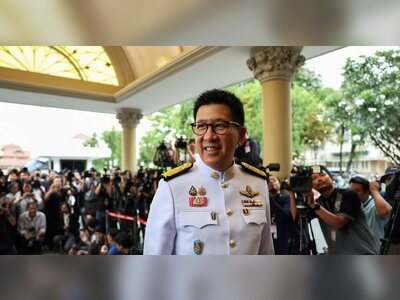
Anutin, a seasoned political leader and head of the conservative Bhumjaithai Party, called the outcome a “victory for all Thai people” during a celebratory address at the party’s Bangkok headquarters, emphasising unity and the mandate to lead the nation forward.
His campaign leaned heavily on pledges to protect Thailand’s sovereignty and strengthen border security, resonating with voters amid recent clashes along the Thai–Cambodian frontier and heightened patriotic fervour.
The election was precipitated by Anutin’s decision to dissolve parliament late last year, a strategic move intended to harness nationalist momentum and consolidate his political position after facing internal challenges.
Analysts noted that his emphasis on national pride, public safety and economic stability helped to solidify support across provincial constituencies, particularly among conservative and rural voters.
Despite winning the largest share of seats, Bhumjaithai falls short of an outright majority and will require coalition partners to form a stable government.
Observers expect talks with aligned parties to shape the new governing bloc, with Anutin signalling readiness to work collaboratively to address national priorities.
The result marks a significant comeback for Thailand’s conservative forces following years of volatile political competition and underscores the enduring influence of nationalist messaging in Southeast Asian elections.
Unofficial results from the state Election Commission indicated that Bhumjaithai won around 193 of the 500 seats, far outpacing the progressive People’s Party and signalling a decisive shift to the right in Thai politics.
Anutin, a seasoned political leader and head of the conservative Bhumjaithai Party, called the outcome a “victory for all Thai people” during a celebratory address at the party’s Bangkok headquarters, emphasising unity and the mandate to lead the nation forward.
His campaign leaned heavily on pledges to protect Thailand’s sovereignty and strengthen border security, resonating with voters amid recent clashes along the Thai–Cambodian frontier and heightened patriotic fervour.
The election was precipitated by Anutin’s decision to dissolve parliament late last year, a strategic move intended to harness nationalist momentum and consolidate his political position after facing internal challenges.
Analysts noted that his emphasis on national pride, public safety and economic stability helped to solidify support across provincial constituencies, particularly among conservative and rural voters.
Despite winning the largest share of seats, Bhumjaithai falls short of an outright majority and will require coalition partners to form a stable government.
Observers expect talks with aligned parties to shape the new governing bloc, with Anutin signalling readiness to work collaboratively to address national priorities.
The result marks a significant comeback for Thailand’s conservative forces following years of volatile political competition and underscores the enduring influence of nationalist messaging in Southeast Asian elections.