
Thailand Announces Expanded Debt Relief and Investment Drive While Monitoring Baht Strength
Finance minister outlines measures to support firms, ease indebtedness and manage a strengthening baht amid economic challenges
Thailand’s government has unveiled a suite of fiscal and financial measures aimed at boosting investment, alleviating debt burdens and addressing the recent strength of the Thai baht, as policymakers seek to shore up growth while navigating external pressures.
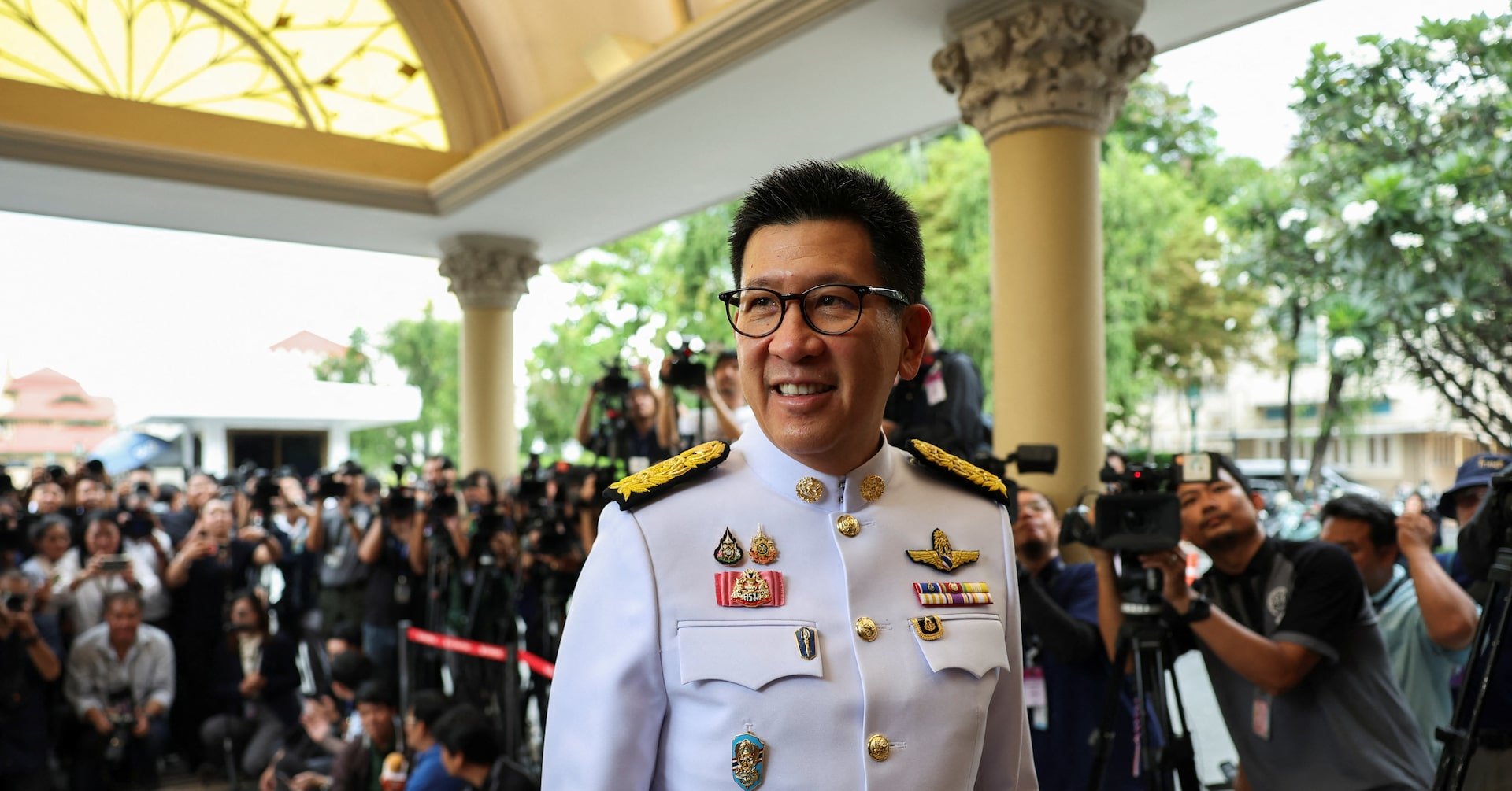
Deputy Prime Minister and Finance Minister Ekniti Nitithanprapas said the administration is accelerating efforts to provide targeted debt relief for households and small businesses, building on existing initiatives that include debt purchase and restructuring schemes.
Officials have also approved expanded credit support mechanisms to assist small and medium-sized enterprises, with new facilities designed to spur loan access and competitiveness amid ongoing economic headwinds.
These actions are part of a broader strategy to stimulate private sector activity and investment, which authorities see as essential for long-term confidence and growth.
In parallel, the finance ministry has signalled an intensified focus on attracting and fast-tracking investment, stressing that private and foreign direct investment are central to strengthening competitiveness.
Ekniti highlighted plans to expedite investment planning and approvals, which he described as “at the heart of building confidence” in Thailand’s economic trajectory.
The government also intends to allow trading of carbon credits to enhance sustainability-oriented investment and align with environmental objectives.
A key concern for policymakers is the recent appreciation of the baht.
The currency has strengthened against the U.S. dollar in the early part of 2026 following a significant rise in 2025, raising concerns about potential impacts on key export and tourism sectors.
The finance minister said the baht’s appreciation is being closely monitored and that authorities are coordinating with the central bank to address speculative pressures, while noting that a naturally stronger baht aligned with economic fundamentals can be tolerated.
On the fiscal front, the government has emphasised maintaining discipline even as it accelerates economic support measures.
Officials stressed that debt relief, investment incentives and currency-related actions will be pursued within a prudent fiscal framework that continues to monitor public finances closely.
The combination of debt relief, investment acceleration and currency management reflects Thailand’s multi-pronged approach to strengthening economic resilience.
With growth projected to improve modestly, policymakers are positioning these measures to reinforce confidence among investors and businesses while addressing structural challenges that have weighed on the economy.
Deputy Prime Minister and Finance Minister Ekniti Nitithanprapas said the administration is accelerating efforts to provide targeted debt relief for households and small businesses, building on existing initiatives that include debt purchase and restructuring schemes.
Officials have also approved expanded credit support mechanisms to assist small and medium-sized enterprises, with new facilities designed to spur loan access and competitiveness amid ongoing economic headwinds.
These actions are part of a broader strategy to stimulate private sector activity and investment, which authorities see as essential for long-term confidence and growth.
In parallel, the finance ministry has signalled an intensified focus on attracting and fast-tracking investment, stressing that private and foreign direct investment are central to strengthening competitiveness.
Ekniti highlighted plans to expedite investment planning and approvals, which he described as “at the heart of building confidence” in Thailand’s economic trajectory.
The government also intends to allow trading of carbon credits to enhance sustainability-oriented investment and align with environmental objectives.
A key concern for policymakers is the recent appreciation of the baht.
The currency has strengthened against the U.S. dollar in the early part of 2026 following a significant rise in 2025, raising concerns about potential impacts on key export and tourism sectors.
The finance minister said the baht’s appreciation is being closely monitored and that authorities are coordinating with the central bank to address speculative pressures, while noting that a naturally stronger baht aligned with economic fundamentals can be tolerated.
On the fiscal front, the government has emphasised maintaining discipline even as it accelerates economic support measures.
Officials stressed that debt relief, investment incentives and currency-related actions will be pursued within a prudent fiscal framework that continues to monitor public finances closely.
The combination of debt relief, investment acceleration and currency management reflects Thailand’s multi-pronged approach to strengthening economic resilience.
With growth projected to improve modestly, policymakers are positioning these measures to reinforce confidence among investors and businesses while addressing structural challenges that have weighed on the economy.