South Korea leads coordinated drug seizures as 650 kilograms intercepted from Cambodia and Thailand
Joint operations with Thai and Cambodian authorities uncover large-scale narcotics trafficking routes into Korea, marking record enforcement results in the first quarter
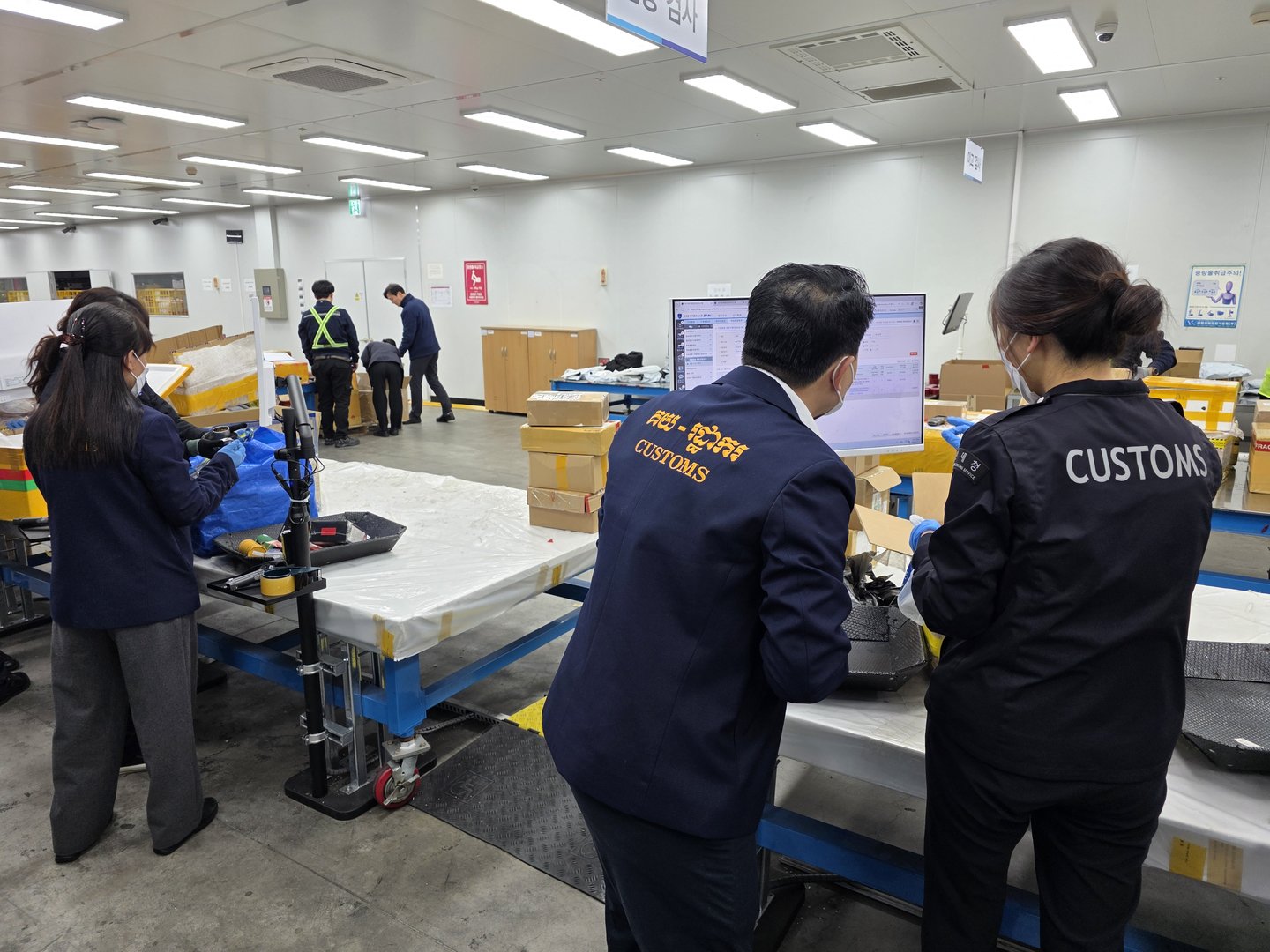
South Korean customs authorities have reported the seizure of more than 650 kilograms of illegal drugs originating from Cambodia and Thailand in coordinated cross-border operations carried out during the first quarter of the year, underscoring the growing scale of regional narcotics trafficking networks.
According to the Korea Customs Service, a total of 657 kilograms of narcotics were intercepted between January and March through joint enforcement efforts with Thai and Cambodian counterparts.
The drugs were discovered across 32 separate cases, reflecting sustained attempts by trafficking networks to route illicit substances into South Korea via Southeast Asia.
The largest share of the seizures was linked to Thailand, where 28 cases under a joint operation known as TRIDENT accounted for approximately 651.4 kilograms of confiscated narcotics.
Officials described this as the highest total recorded under a single phase of the operation since cooperation between the two countries began in 2022. Cambodia-related enforcement, conducted under a separate operation known as LIONSTONE, resulted in four cases involving 5.7 kilograms of drugs.
The substances seized included methamphetamine, marijuana, and etomidate, an anaesthetic agent increasingly identified in illicit trafficking cases.
Authorities noted that the volume of drugs intercepted during the period was sufficient to supply an estimated 1.8 million potential users, highlighting the scale of the attempted smuggling activity.
South Korean officials said the operations reflect strengthened regional coordination aimed at disrupting evolving trafficking routes that exploit differences in enforcement capacity and geographic proximity across Southeast Asia.
The Customs Service has expanded cooperation with multiple countries in the region as part of a broader strategy to prevent diversification of supply chains used by transnational criminal groups.
The agency also indicated that joint enforcement efforts have become more systematic in recent years, with embedded cooperation mechanisms allowing for shared intelligence, coordinated inspections, and simultaneous interdiction actions across borders.
Authorities have emphasised that sustained collaboration remains essential as trafficking networks adapt their methods in response to tighter border controls.
Further joint operations are expected as part of continued regional efforts to address the flow of narcotics into South Korea, with officials maintaining that cross-border coordination remains central to disrupting supply chains at their source.
According to the Korea Customs Service, a total of 657 kilograms of narcotics were intercepted between January and March through joint enforcement efforts with Thai and Cambodian counterparts.
The drugs were discovered across 32 separate cases, reflecting sustained attempts by trafficking networks to route illicit substances into South Korea via Southeast Asia.
The largest share of the seizures was linked to Thailand, where 28 cases under a joint operation known as TRIDENT accounted for approximately 651.4 kilograms of confiscated narcotics.
Officials described this as the highest total recorded under a single phase of the operation since cooperation between the two countries began in 2022. Cambodia-related enforcement, conducted under a separate operation known as LIONSTONE, resulted in four cases involving 5.7 kilograms of drugs.
The substances seized included methamphetamine, marijuana, and etomidate, an anaesthetic agent increasingly identified in illicit trafficking cases.
Authorities noted that the volume of drugs intercepted during the period was sufficient to supply an estimated 1.8 million potential users, highlighting the scale of the attempted smuggling activity.
South Korean officials said the operations reflect strengthened regional coordination aimed at disrupting evolving trafficking routes that exploit differences in enforcement capacity and geographic proximity across Southeast Asia.
The Customs Service has expanded cooperation with multiple countries in the region as part of a broader strategy to prevent diversification of supply chains used by transnational criminal groups.
The agency also indicated that joint enforcement efforts have become more systematic in recent years, with embedded cooperation mechanisms allowing for shared intelligence, coordinated inspections, and simultaneous interdiction actions across borders.
Authorities have emphasised that sustained collaboration remains essential as trafficking networks adapt their methods in response to tighter border controls.
Further joint operations are expected as part of continued regional efforts to address the flow of narcotics into South Korea, with officials maintaining that cross-border coordination remains central to disrupting supply chains at their source.