Thailand intensifies crackdown as fuel smuggling networks expand across borders
Authorities confront rising illicit fuel flows driven by price gaps and regional supply distortions, prompting tighter enforcement and cross-border coordination
Thailand is facing renewed pressure over the scale of fuel smuggling operations that authorities say have expanded across both land and maritime routes, driven by persistent price differentials with neighbouring countries and ongoing disruptions in regional energy supply chains.
Recent enforcement actions have brought greater public attention to the issue, with authorities intercepting multiple consignments of illegally transported fuel along border provinces and key transit corridors.
Officials describe the trade as increasingly organised, involving networks that exploit price gaps created by fuel subsidies, taxation differences, and fluctuating global energy costs.
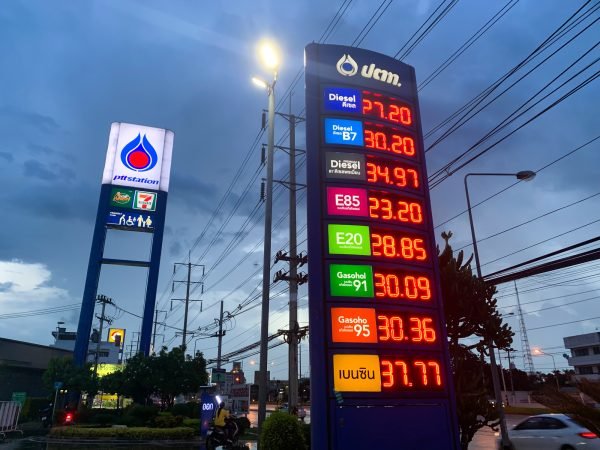
The smuggling activity is understood to be concentrated in areas bordering Myanmar, Cambodia, Laos, and Malaysia, where fuel prices can vary significantly across short geographic distances.
This disparity has created incentives for illicit cross-border movement of petroleum products, often using modified vehicles, informal storage facilities, and covert distribution channels.
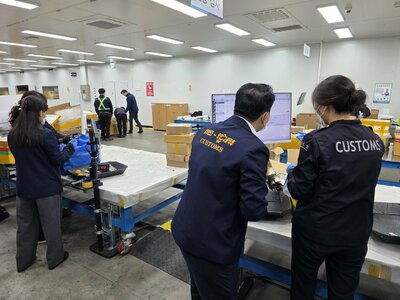
Thai enforcement agencies have stepped up inspections and coordinated operations involving customs, police, and maritime authorities in an effort to disrupt supply chains linked to illegal fuel distribution.
These efforts have included targeted seizures of tanker trucks, storage containers, and smaller-scale transport methods used to move fuel across unofficial routes.
Officials have emphasised that the problem is not only a matter of tax revenue loss but also one of market stability and regulatory integrity, as unregulated fuel flows can distort domestic pricing mechanisms and undermine legitimate suppliers.
The government has signalled continued investment in monitoring systems and inter-agency coordination to address the issue more effectively.
Regional dynamics also play a significant role, as energy market volatility and differing subsidy regimes across Southeast Asia contribute to sustained arbitrage opportunities.
Analysts note that these structural conditions make fuel smuggling a recurring challenge rather than a temporary disruption, requiring long-term policy alignment and cross-border cooperation.
While enforcement efforts have intensified, authorities acknowledge that the adaptability of smuggling networks remains a key challenge, with routes and methods evolving in response to increased scrutiny.
As a result, further regulatory tightening and regional engagement are expected to remain central to Thailand’s response in the period ahead.
Recent enforcement actions have brought greater public attention to the issue, with authorities intercepting multiple consignments of illegally transported fuel along border provinces and key transit corridors.
Officials describe the trade as increasingly organised, involving networks that exploit price gaps created by fuel subsidies, taxation differences, and fluctuating global energy costs.
The smuggling activity is understood to be concentrated in areas bordering Myanmar, Cambodia, Laos, and Malaysia, where fuel prices can vary significantly across short geographic distances.
This disparity has created incentives for illicit cross-border movement of petroleum products, often using modified vehicles, informal storage facilities, and covert distribution channels.
Thai enforcement agencies have stepped up inspections and coordinated operations involving customs, police, and maritime authorities in an effort to disrupt supply chains linked to illegal fuel distribution.
These efforts have included targeted seizures of tanker trucks, storage containers, and smaller-scale transport methods used to move fuel across unofficial routes.
Officials have emphasised that the problem is not only a matter of tax revenue loss but also one of market stability and regulatory integrity, as unregulated fuel flows can distort domestic pricing mechanisms and undermine legitimate suppliers.
The government has signalled continued investment in monitoring systems and inter-agency coordination to address the issue more effectively.
Regional dynamics also play a significant role, as energy market volatility and differing subsidy regimes across Southeast Asia contribute to sustained arbitrage opportunities.
Analysts note that these structural conditions make fuel smuggling a recurring challenge rather than a temporary disruption, requiring long-term policy alignment and cross-border cooperation.
While enforcement efforts have intensified, authorities acknowledge that the adaptability of smuggling networks remains a key challenge, with routes and methods evolving in response to increased scrutiny.
As a result, further regulatory tightening and regional engagement are expected to remain central to Thailand’s response in the period ahead.