Thailand Secures Safe Passage for Three Stranded Vessels Through Strategic Hormuz Corridor
Diplomatic coordination with Iran and Oman enables Thai-linked oil and petrochemical ships to transit the Strait of Hormuz, easing pressure on national energy supply chains
Thailand has successfully secured safe passage for three vessels stranded in the Strait of Hormuz following weeks of disruption in one of the world’s most critical maritime chokepoints.
The breakthrough was achieved through coordinated diplomatic engagement involving Thai authorities, Iran, and Oman, allowing ships carrying essential crude oil and petrochemical feedstock to resume movement.
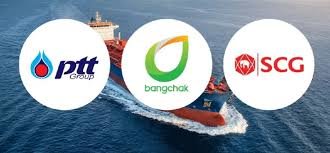
The vessels are linked to major Thai energy and industrial players, including PTT, Bangchak Corporation, and SCG Chemicals.
Their cargoes are considered vital to maintaining domestic fuel stability and petrochemical supply continuity at a time when regional tensions have disrupted global shipping routes.
Officials indicated that the agreement has helped reduce immediate risks of shortages in Thailand’s energy system.
Among the key developments, a PTT-operated very large crude carrier transporting approximately two million barrels of crude oil has been cleared to return to Thailand after being stranded at a port in the United Arab Emirates since early March.
The company reportedly absorbed significant financial pressure during the disruption, sourcing replacement crude supplies to avoid domestic shortages.
Bangchak Corporation also confirmed the successful transit of its tanker carrying around 700,000 barrels of crude oil to its refinery in Thailand, following sustained coordination with Thai foreign affairs officials and Iranian diplomatic channels.
In another case, SCG Chemicals reported that one of its vessels carrying naphtha feedstock was granted permission to leave the strait and proceed to Thailand, while a second vessel remains under safety review.
Thai officials have described the outcome as the result of sustained “Team Thailand” diplomacy aimed at maintaining access to strategic maritime routes during periods of instability.
The Strait of Hormuz, through which a significant share of global oil and liquefied natural gas trade passes, has seen heightened volatility in recent months, with shipping companies and governments seeking assurances over safe navigation.
Authorities in Bangkok continue to monitor remaining maritime risks in coordination with regional partners, while emphasizing that maintaining uninterrupted energy supply remains a national priority amid ongoing uncertainty in the Gulf region.
The breakthrough was achieved through coordinated diplomatic engagement involving Thai authorities, Iran, and Oman, allowing ships carrying essential crude oil and petrochemical feedstock to resume movement.
The vessels are linked to major Thai energy and industrial players, including PTT, Bangchak Corporation, and SCG Chemicals.
Their cargoes are considered vital to maintaining domestic fuel stability and petrochemical supply continuity at a time when regional tensions have disrupted global shipping routes.
Officials indicated that the agreement has helped reduce immediate risks of shortages in Thailand’s energy system.
Among the key developments, a PTT-operated very large crude carrier transporting approximately two million barrels of crude oil has been cleared to return to Thailand after being stranded at a port in the United Arab Emirates since early March.
The company reportedly absorbed significant financial pressure during the disruption, sourcing replacement crude supplies to avoid domestic shortages.
Bangchak Corporation also confirmed the successful transit of its tanker carrying around 700,000 barrels of crude oil to its refinery in Thailand, following sustained coordination with Thai foreign affairs officials and Iranian diplomatic channels.
In another case, SCG Chemicals reported that one of its vessels carrying naphtha feedstock was granted permission to leave the strait and proceed to Thailand, while a second vessel remains under safety review.
Thai officials have described the outcome as the result of sustained “Team Thailand” diplomacy aimed at maintaining access to strategic maritime routes during periods of instability.
The Strait of Hormuz, through which a significant share of global oil and liquefied natural gas trade passes, has seen heightened volatility in recent months, with shipping companies and governments seeking assurances over safe navigation.
Authorities in Bangkok continue to monitor remaining maritime risks in coordination with regional partners, while emphasizing that maintaining uninterrupted energy supply remains a national priority amid ongoing uncertainty in the Gulf region.