Suspicious Fuel Sales Near Malaysia–Thailand Border Prompt Heightened Scrutiny
Authorities investigate abnormal petrol volumes at border-area stations amid concerns over diversion of subsidised fuel
Unusually high fuel sales recorded at petrol stations near the Malaysia–Thailand border have prompted heightened scrutiny from Malaysian authorities, who are investigating whether subsidised petrol and diesel are being diverted for illicit cross-border activity.
Monitoring by enforcement agencies identified several stations in northern border districts registering sales volumes far exceeding levels consistent with local population and traffic patterns.
Officials reported that the anomalies were detected during routine data analysis comparing fuel purchases across regions.
At a small number of stations close to the Thai frontier, daily sales were significantly higher than comparable outlets elsewhere, raising concerns that the fuel was not being consumed domestically.
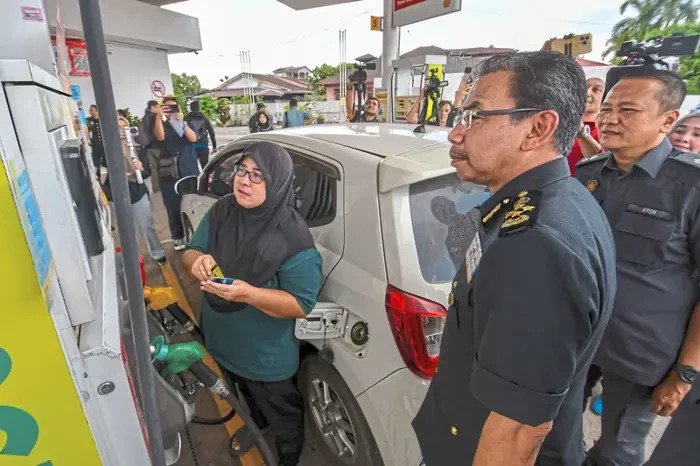
When enforcement teams were deployed to monitor these sites, sales volumes dropped sharply, reinforcing suspicions that the earlier spikes were irregular.
The investigation forms part of a broader campaign to protect Malaysia’s fuel subsidy system, which is designed to shield consumers and businesses from price volatility.
Large price differences between Malaysia and neighbouring countries have long created incentives for illegal fuel diversion, particularly in border areas where informal transport routes are difficult to police.
Authorities are now reviewing transaction records, delivery schedules and vehicle movements to determine whether the sales patterns reflect genuine demand or organised diversion.
They are also assessing whether existing controls at petrol stations are sufficient to detect and deter misuse of subsidised fuel.
Officials have stressed that the focus is on safeguarding public funds and ensuring that subsidies reach their intended beneficiaries, rather than penalising legitimate consumers.
The findings have renewed calls for closer coordination between enforcement agencies and fuel retailers, as well as the use of data analytics to identify suspicious activity more quickly.
As investigations continue, authorities have signalled that additional monitoring and enforcement measures may be introduced to prevent further abuse along the border.
Monitoring by enforcement agencies identified several stations in northern border districts registering sales volumes far exceeding levels consistent with local population and traffic patterns.
Officials reported that the anomalies were detected during routine data analysis comparing fuel purchases across regions.
At a small number of stations close to the Thai frontier, daily sales were significantly higher than comparable outlets elsewhere, raising concerns that the fuel was not being consumed domestically.
When enforcement teams were deployed to monitor these sites, sales volumes dropped sharply, reinforcing suspicions that the earlier spikes were irregular.
The investigation forms part of a broader campaign to protect Malaysia’s fuel subsidy system, which is designed to shield consumers and businesses from price volatility.
Large price differences between Malaysia and neighbouring countries have long created incentives for illegal fuel diversion, particularly in border areas where informal transport routes are difficult to police.
Authorities are now reviewing transaction records, delivery schedules and vehicle movements to determine whether the sales patterns reflect genuine demand or organised diversion.
They are also assessing whether existing controls at petrol stations are sufficient to detect and deter misuse of subsidised fuel.
Officials have stressed that the focus is on safeguarding public funds and ensuring that subsidies reach their intended beneficiaries, rather than penalising legitimate consumers.
The findings have renewed calls for closer coordination between enforcement agencies and fuel retailers, as well as the use of data analytics to identify suspicious activity more quickly.
As investigations continue, authorities have signalled that additional monitoring and enforcement measures may be introduced to prevent further abuse along the border.