Thailand’s Surging Gold Demand Poses Economic Opportunities and Challenges
Rising domestic appetite for gold as a financial asset is reshaping the economy and prompting regulatory intervention amid currency volatility
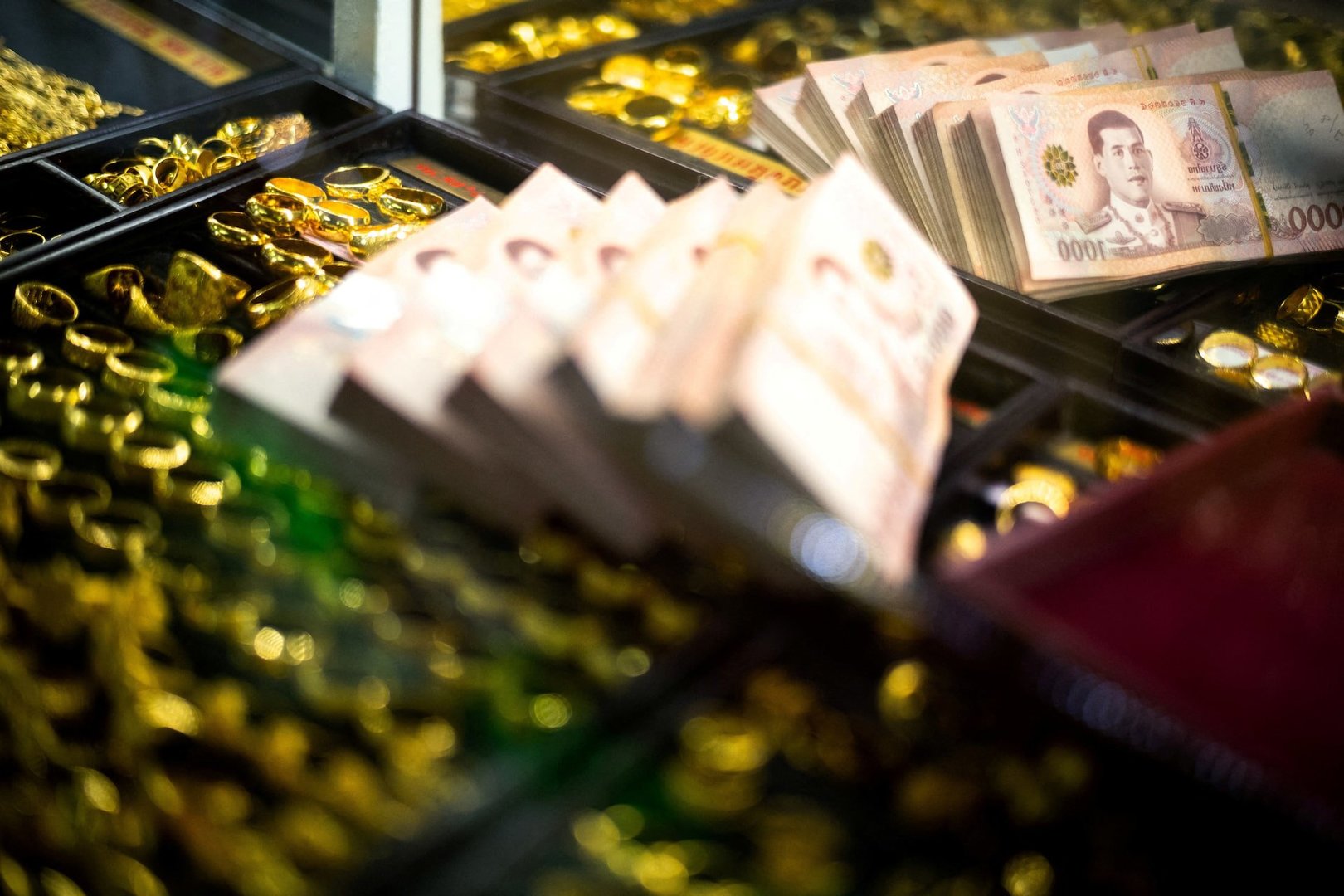
Thailand’s longstanding cultural affinity for gold has evolved into a significant economic phenomenon, with demand for the precious metal surging sharply even as authorities move to tighten oversight of trading to protect financial stability.
Recent data from the World Gold Council indicate that Thai gold consumption climbed strongly in early 2025, with demand up by around seventeen per cent year-on-year in the first quarter as retail investors and consumers flocked to bullion and coins as safe-haven assets amid global economic uncertainty.
In the second quarter, demand continued its robust pace, increasing by about twenty-five per cent compared with the year before, reflecting persistent investor confidence in gold’s role as a hedge against inflation and market volatility.
This robust domestic appetite has positioned Thailand as one of Southeast Asia’s most dynamic gold markets, outpacing neighbouring countries even as global gold demand remains elevated.
The popularity of gold has broader macroeconomic implications: large-scale online gold trading activity has been identified by the Bank of Thailand as a factor influencing capital flows and contributing to upward pressure on the baht’s exchange rate.
In response, the central bank announced forthcoming regulations to cap daily online gold transactions conducted in Thai baht at fifty million baht per user, while requiring more stringent reporting of trading activity.
Officials have emphasised that these measures are not intended to suppress wholesome investment but to enhance market transparency, contain speculative excesses and mitigate risks to currency stability.
Traders and investors holding substantial positions before the regulation’s effective date will be allowed to sell their holdings back to platforms, and transactions in foreign currencies or physical gold will remain outside the cap.
Thailand’s role in the global gold ecosystem extends beyond domestic consumption: the country is a major importer and exporter of bullion and jewellery, with trading volumes that influence both macroeconomic indicators and financial flows.
While a strong gold market supports wealth preservation and can provide revenue streams through trade, authorities are conscious that unchecked speculative dynamics could amplify currency volatility and complicate monetary policy.
By balancing supportive frameworks for investor participation with prudential regulation, Thailand aims to harness its gold market’s strengths while safeguarding broader economic resilience amid shifting global financial conditions.
Recent data from the World Gold Council indicate that Thai gold consumption climbed strongly in early 2025, with demand up by around seventeen per cent year-on-year in the first quarter as retail investors and consumers flocked to bullion and coins as safe-haven assets amid global economic uncertainty.
In the second quarter, demand continued its robust pace, increasing by about twenty-five per cent compared with the year before, reflecting persistent investor confidence in gold’s role as a hedge against inflation and market volatility.
This robust domestic appetite has positioned Thailand as one of Southeast Asia’s most dynamic gold markets, outpacing neighbouring countries even as global gold demand remains elevated.
The popularity of gold has broader macroeconomic implications: large-scale online gold trading activity has been identified by the Bank of Thailand as a factor influencing capital flows and contributing to upward pressure on the baht’s exchange rate.
In response, the central bank announced forthcoming regulations to cap daily online gold transactions conducted in Thai baht at fifty million baht per user, while requiring more stringent reporting of trading activity.
Officials have emphasised that these measures are not intended to suppress wholesome investment but to enhance market transparency, contain speculative excesses and mitigate risks to currency stability.
Traders and investors holding substantial positions before the regulation’s effective date will be allowed to sell their holdings back to platforms, and transactions in foreign currencies or physical gold will remain outside the cap.
Thailand’s role in the global gold ecosystem extends beyond domestic consumption: the country is a major importer and exporter of bullion and jewellery, with trading volumes that influence both macroeconomic indicators and financial flows.
While a strong gold market supports wealth preservation and can provide revenue streams through trade, authorities are conscious that unchecked speculative dynamics could amplify currency volatility and complicate monetary policy.
By balancing supportive frameworks for investor participation with prudential regulation, Thailand aims to harness its gold market’s strengths while safeguarding broader economic resilience amid shifting global financial conditions.