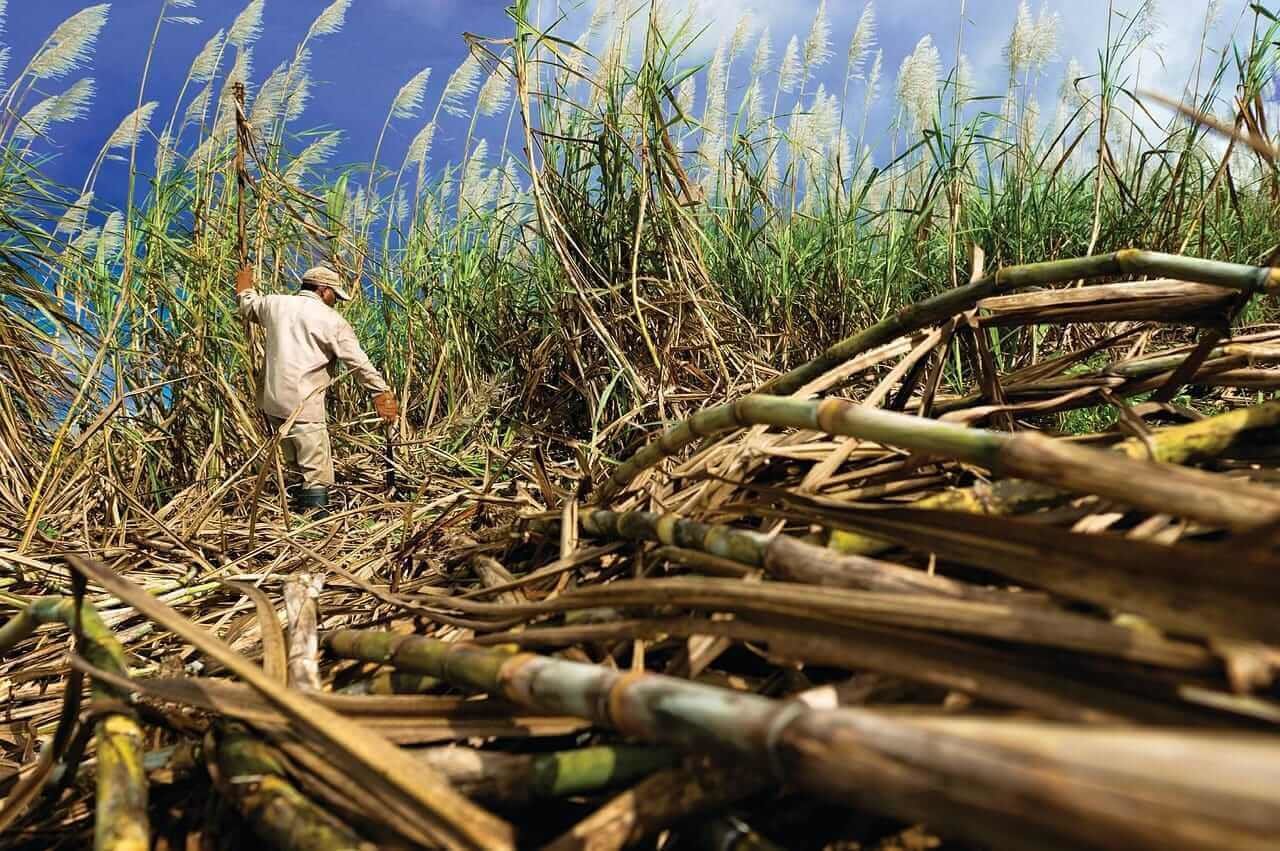
Thai Sugar Exports Pressure Global Prices as Supply Surplus Deepens
Rising shipments from Thailand and a widening global sugar surplus are driving prices lower despite export restrictions in India and continuing agricultural risks across Asia.
Global sugar markets are being driven by a supply story.
Thailand, the world’s second-largest sugar exporter after Brazil, has sharply increased overseas shipments in early 2026, adding pressure to international prices at the same time that forecasts point to a growing worldwide surplus.
What is confirmed is that Thai sugar exports rose strongly during the first four months of the year, with shipments increasing by roughly twenty-nine percent year on year to about one-point-six million metric tons.
The increase has weighed directly on benchmark raw and refined sugar futures, which recently fell to multi-week lows as traders priced in higher export availability from Southeast Asia.
The broader market backdrop matters more than the daily price movement.
International sugar analysts now expect global production for the 2025–26 season to reach a record level, with output growth outpacing consumption after a deficit in the previous cycle.
That shift has altered market psychology.
Traders who spent much of the past two years worrying about drought, El Niño disruption and tightening inventories are now confronting the opposite problem: too much sugar entering the export market at once.
Thailand has become central to that transition because of its strategic role in Asian supply chains.
The country exports millions of tons annually to buyers across Asia, the Middle East and Africa.
Faster shipping routes compared with Brazil make Thai cargoes especially attractive for regional refiners and food manufacturers.
As India restricts exports to protect domestic supply and contain local inflation, Thailand is positioned to capture additional market share.
India’s recent decision to halt most sugar exports until late September changed regional trade flows immediately.
New Delhi acted after weaker-than-expected cane yields tightened domestic availability and raised concerns about food inflation.
The restriction removed one of the world’s largest exporters from parts of the international market, but instead of triggering a sustained rally in prices, the move strengthened expectations that Brazil and Thailand would fill the gap.
That response reveals how deeply supply expectations have changed.
Traders increasingly believe global inventories are sufficient to absorb disruptions from individual countries.
Thailand’s export acceleration reinforced that view, particularly as mills continued shipping aggressively into Asian and African markets.
The Thai sugar industry itself, however, faces contradictory pressures beneath the export surge.
Production recovered during the current season after earlier drought damage, but forecasts for the next harvest cycle are weaker.
Crop disease, falling cane prices and competition from cassava farming are beginning to affect planting decisions in major agricultural regions.
Analysts tracking the sector expect lower cane availability in the 2026–27 season if current trends continue.
Economics are becoming a serious concern for growers.
Government-set cane prices have fallen sharply from previous peaks, reducing profitability for farmers already dealing with rising input costs and plant disease.
In northeastern Thailand, some producers have reportedly shifted acreage away from sugarcane toward cassava, which currently offers stronger pricing support because of Chinese demand.
Currency movements are also complicating the outlook.
A stronger Thai baht has already hurt other export sectors including rice and rubber by making Thai products more expensive abroad.
Sugar exporters remain competitive because global buyers need alternative supply after India’s restrictions, but prolonged currency strength could narrow margins later in the year.
Another structural issue is energy policy.
Thailand, like Brazil and India, uses part of its sugarcane crop for ethanol production.
If authorities push harder toward biofuel expansion, less cane could ultimately be directed toward sugar refining.
That creates a longer-term tension between energy security, farm income and export earnings.
For importing countries, cheaper sugar prices offer short-term relief after years of food inflation pressure.
Food manufacturers, beverage companies and industrial buyers across Asia are benefiting from lower procurement costs.
Governments facing inflation-sensitive populations also gain breathing room when global commodity prices ease.
For producing countries, the situation is less comfortable.
Falling international prices squeeze farmers and mills simultaneously, especially in regions with rising labor costs or weak harvest conditions.
If prices remain under pressure for an extended period, production cuts in higher-cost exporting nations become more likely.
The immediate consequence is clear: Thailand’s export growth has become one of the defining forces in the global sugar trade this year.
The market has shifted from scarcity fears to surplus management, and that transition is now shaping pricing, trade flows and agricultural strategy across Asia.
Thailand, the world’s second-largest sugar exporter after Brazil, has sharply increased overseas shipments in early 2026, adding pressure to international prices at the same time that forecasts point to a growing worldwide surplus.
What is confirmed is that Thai sugar exports rose strongly during the first four months of the year, with shipments increasing by roughly twenty-nine percent year on year to about one-point-six million metric tons.
The increase has weighed directly on benchmark raw and refined sugar futures, which recently fell to multi-week lows as traders priced in higher export availability from Southeast Asia.
The broader market backdrop matters more than the daily price movement.
International sugar analysts now expect global production for the 2025–26 season to reach a record level, with output growth outpacing consumption after a deficit in the previous cycle.
That shift has altered market psychology.
Traders who spent much of the past two years worrying about drought, El Niño disruption and tightening inventories are now confronting the opposite problem: too much sugar entering the export market at once.
Thailand has become central to that transition because of its strategic role in Asian supply chains.
The country exports millions of tons annually to buyers across Asia, the Middle East and Africa.
Faster shipping routes compared with Brazil make Thai cargoes especially attractive for regional refiners and food manufacturers.
As India restricts exports to protect domestic supply and contain local inflation, Thailand is positioned to capture additional market share.
India’s recent decision to halt most sugar exports until late September changed regional trade flows immediately.
New Delhi acted after weaker-than-expected cane yields tightened domestic availability and raised concerns about food inflation.
The restriction removed one of the world’s largest exporters from parts of the international market, but instead of triggering a sustained rally in prices, the move strengthened expectations that Brazil and Thailand would fill the gap.
That response reveals how deeply supply expectations have changed.
Traders increasingly believe global inventories are sufficient to absorb disruptions from individual countries.
Thailand’s export acceleration reinforced that view, particularly as mills continued shipping aggressively into Asian and African markets.
The Thai sugar industry itself, however, faces contradictory pressures beneath the export surge.
Production recovered during the current season after earlier drought damage, but forecasts for the next harvest cycle are weaker.
Crop disease, falling cane prices and competition from cassava farming are beginning to affect planting decisions in major agricultural regions.
Analysts tracking the sector expect lower cane availability in the 2026–27 season if current trends continue.
Economics are becoming a serious concern for growers.
Government-set cane prices have fallen sharply from previous peaks, reducing profitability for farmers already dealing with rising input costs and plant disease.
In northeastern Thailand, some producers have reportedly shifted acreage away from sugarcane toward cassava, which currently offers stronger pricing support because of Chinese demand.
Currency movements are also complicating the outlook.
A stronger Thai baht has already hurt other export sectors including rice and rubber by making Thai products more expensive abroad.
Sugar exporters remain competitive because global buyers need alternative supply after India’s restrictions, but prolonged currency strength could narrow margins later in the year.
Another structural issue is energy policy.
Thailand, like Brazil and India, uses part of its sugarcane crop for ethanol production.
If authorities push harder toward biofuel expansion, less cane could ultimately be directed toward sugar refining.
That creates a longer-term tension between energy security, farm income and export earnings.
For importing countries, cheaper sugar prices offer short-term relief after years of food inflation pressure.
Food manufacturers, beverage companies and industrial buyers across Asia are benefiting from lower procurement costs.
Governments facing inflation-sensitive populations also gain breathing room when global commodity prices ease.
For producing countries, the situation is less comfortable.
Falling international prices squeeze farmers and mills simultaneously, especially in regions with rising labor costs or weak harvest conditions.
If prices remain under pressure for an extended period, production cuts in higher-cost exporting nations become more likely.
The immediate consequence is clear: Thailand’s export growth has become one of the defining forces in the global sugar trade this year.
The market has shifted from scarcity fears to surplus management, and that transition is now shaping pricing, trade flows and agricultural strategy across Asia.