Thailand Advocates ‘Calibrated Re-engagement’ with Post-Election Myanmar to Support Transition and Peace
Bangkok signals measured diplomatic outreach following Myanmar’s contested polls, seeking to leverage the election moment toward stability and dialogue
Thailand has called for a “calibrated re-engagement” with Myanmar’s authorities following the conclusion of the country’s widely criticised election, with senior officials framing the move as a strategic step toward encouraging a political transition and laying groundwork for enduring peace.
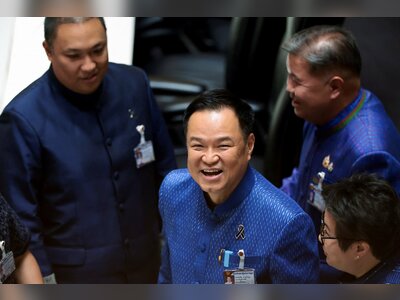
Thailand’s foreign minister said the recent polls, while imperfect, might mark the beginning of a transition that could help reduce conflict and open space for dialogue in a nation long beset by civil war and fragmentation.
The general election in Myanmar, held in multiple phases from late December 2025 to late January 2026, unfolded amid ongoing armed conflict that prevented voting in many areas and featured the dominance of a military-backed party bolstered by reserved seats for the armed forces.
The result has been widely described by external observers as neither fully free nor genuinely competitive, yet Bangkok’s diplomacy has emphasised engagement over isolation as a practical means to advance stability.
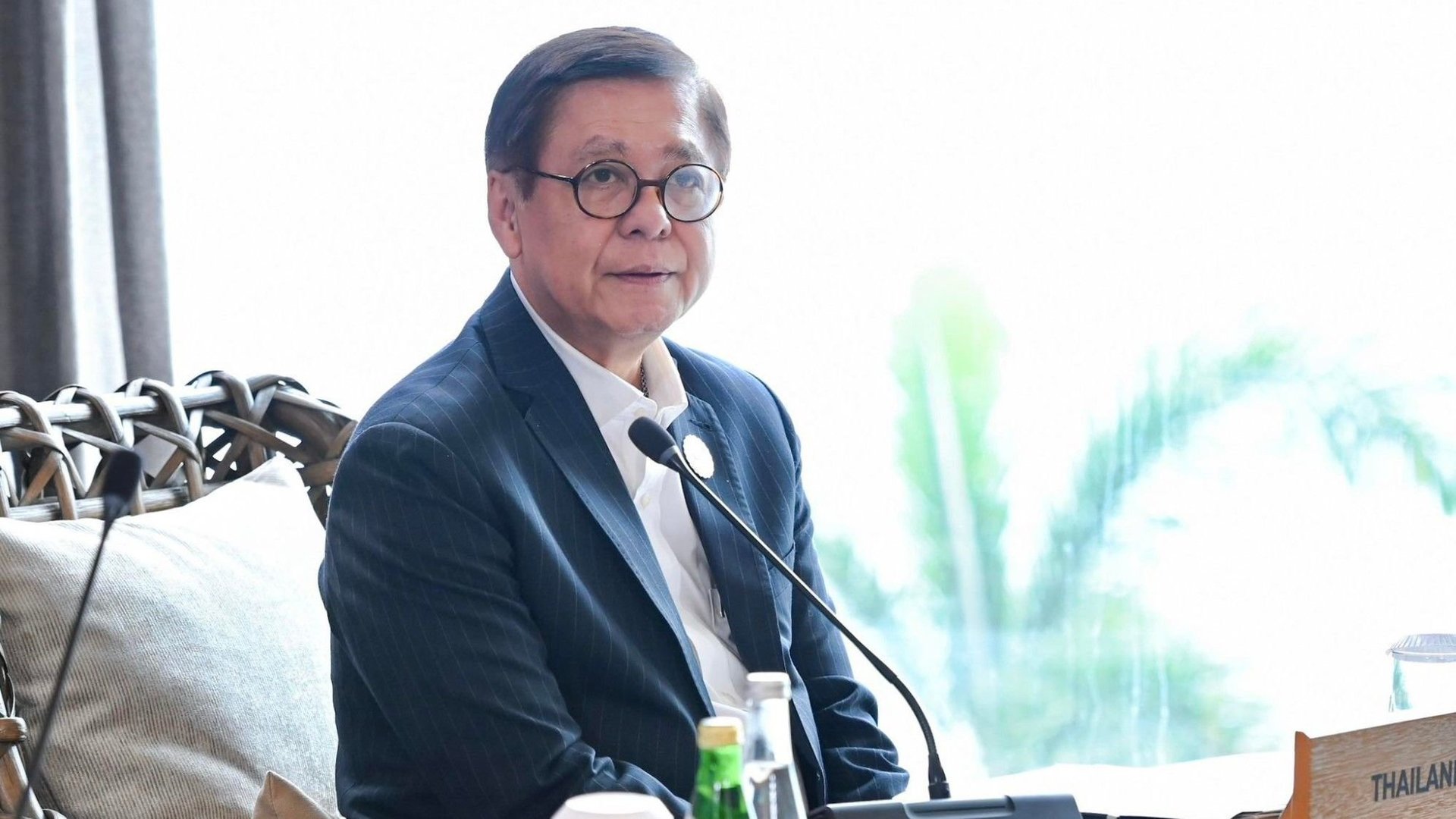
Speaking at a regional gathering, Thailand’s foreign minister expressed hope that the electoral process could serve as a springboard for a longer-term transition, stressing that the government has not formally recognised the election results but is intent on encouraging Myanmar’s leaders to use the moment to pursue inclusive political processes and sustainable peace.
This stance reflects a nuanced approach that balances criticism of the limitations of the vote with a willingness to support constructive steps forward.
Bangkok’s message of calibrated outreach mirrors broader calls within the Association of Southeast Asian Nations for stepped-up engagement to resolve Myanmar’s complex crisis, including revival of peace frameworks and dialogue mechanisms under the bloc’s auspices.
Thailand has also hosted advance voting for Myanmar citizens living in the kingdom and maintained diplomatic contact designed to support humanitarian cooperation as well as political dialogue.
Analysts say Thailand’s approach seeks to position itself and ASEAN as credible interlocutors that can sustain pressure for positive change while avoiding the risks of complete disengagement, which could further isolate Myanmar and frustrate prospects for negotiated settlements.
By urging careful re-engagement, Thailand is signalling that it views the current moment as one in which incremental progress toward reduced violence and political opening, however limited, may be achievable if underpinned by measured diplomacy and regional cooperation.
Thailand’s foreign minister said the recent polls, while imperfect, might mark the beginning of a transition that could help reduce conflict and open space for dialogue in a nation long beset by civil war and fragmentation.
The general election in Myanmar, held in multiple phases from late December 2025 to late January 2026, unfolded amid ongoing armed conflict that prevented voting in many areas and featured the dominance of a military-backed party bolstered by reserved seats for the armed forces.
The result has been widely described by external observers as neither fully free nor genuinely competitive, yet Bangkok’s diplomacy has emphasised engagement over isolation as a practical means to advance stability.
Speaking at a regional gathering, Thailand’s foreign minister expressed hope that the electoral process could serve as a springboard for a longer-term transition, stressing that the government has not formally recognised the election results but is intent on encouraging Myanmar’s leaders to use the moment to pursue inclusive political processes and sustainable peace.
This stance reflects a nuanced approach that balances criticism of the limitations of the vote with a willingness to support constructive steps forward.
Bangkok’s message of calibrated outreach mirrors broader calls within the Association of Southeast Asian Nations for stepped-up engagement to resolve Myanmar’s complex crisis, including revival of peace frameworks and dialogue mechanisms under the bloc’s auspices.
Thailand has also hosted advance voting for Myanmar citizens living in the kingdom and maintained diplomatic contact designed to support humanitarian cooperation as well as political dialogue.
Analysts say Thailand’s approach seeks to position itself and ASEAN as credible interlocutors that can sustain pressure for positive change while avoiding the risks of complete disengagement, which could further isolate Myanmar and frustrate prospects for negotiated settlements.
By urging careful re-engagement, Thailand is signalling that it views the current moment as one in which incremental progress toward reduced violence and political opening, however limited, may be achievable if underpinned by measured diplomacy and regional cooperation.