Thailand Assumes Chairmanship of United Nations Space Science Subcommittee in 2026
Dr Pakorn Apaphant to lead the UN Scientific and Technical Subcommittee, elevating Thailand’s role in global space governance
Thailand has been appointed chair of the United Nations’ Scientific and Technical Subcommittee (STSC) for 2026, a key body under the United Nations Committee on the Peaceful Uses of Outer Space (UN COPUOS) that shapes global discussions on space science and sustainability.
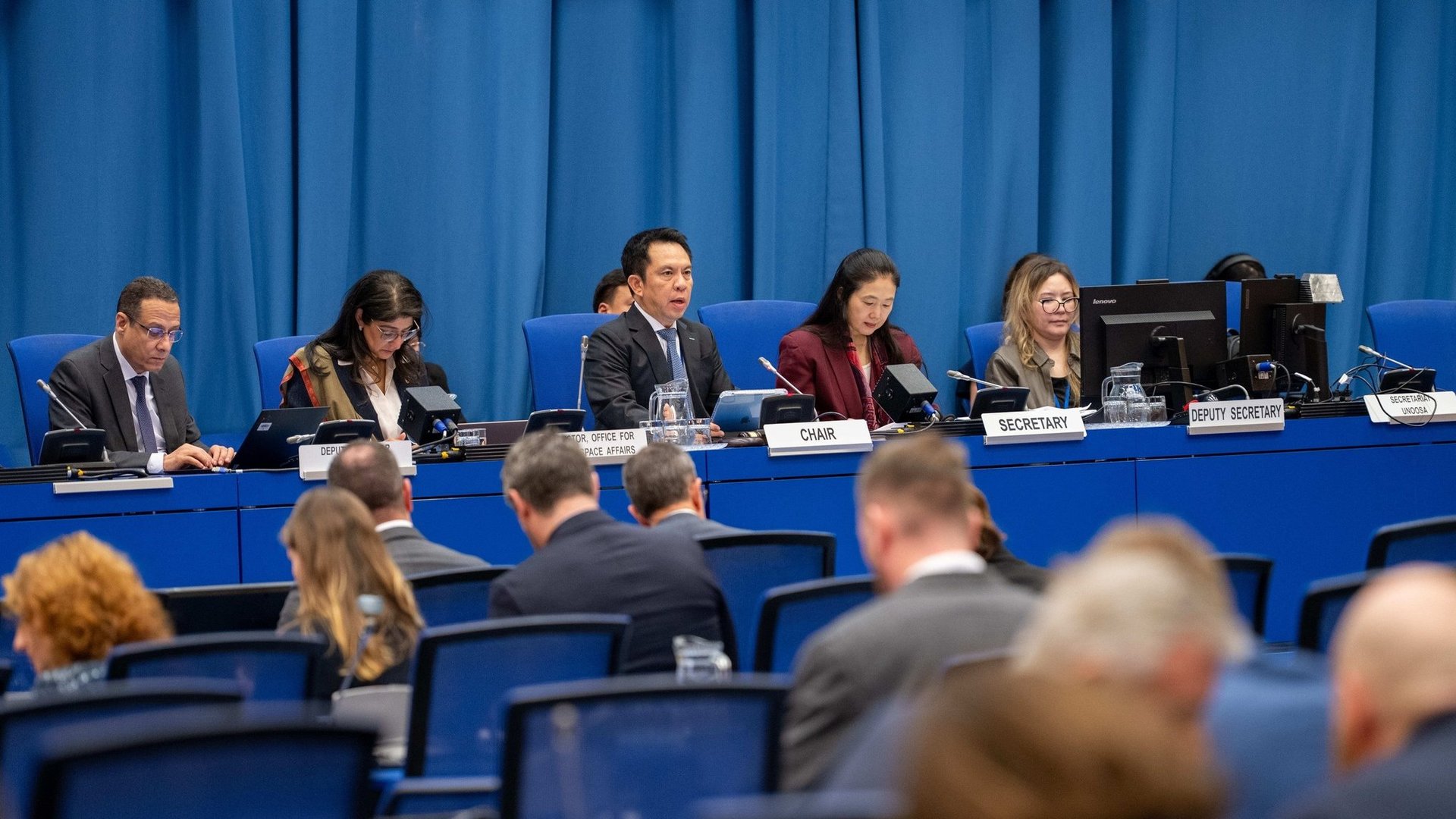
At a session held on 2 February in Vienna, Dr Pakorn Apaphant, executive director of the Geo-Informatics and Space Technology Development Agency (GISTDA), was confirmed as chair, making Thailand only the 15th nation to hold this influential position among the 110 member states of UN COPUOS.
In his new role, Dr Pakorn will preside over technical deliberations on issues at the forefront of international space policy, including space debris mitigation, space weather monitoring, long-term sustainability of outer space activities and space traffic management.
The STSC provides scientific and technical guidance that informs international guidelines and cooperative frameworks for the peaceful use of space, complementing the work of the committee’s Legal Subcommittee.
Dr Pakorn characterised the appointment as a profound honour for Thailand and a recognition of the kingdom’s capabilities in space science and diplomacy.
He highlighted the importance of building consensus among diverse member states, bridging differing technological capabilities and national priorities to advance sustainable and cooperative space activities.
Thailand’s chairmanship is expected to raise the country’s profile in multilateral space governance and open avenues for deeper engagement with global partners.
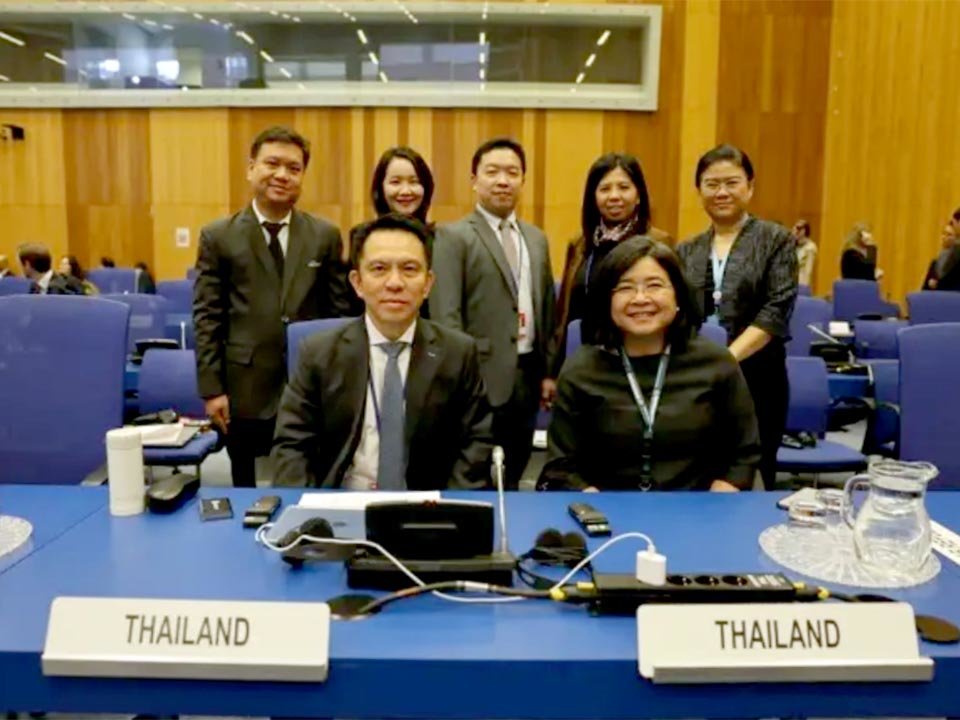
Officials from GISTDA and Thailand’s Permanent Mission to the United Nations in Vienna will work closely with member states throughout the year to ensure that the subcommittee’s work remains productive and balanced.
Observers note that Thailand’s leadership of the STSC could inspire greater participation by countries in Southeast Asia and beyond in shaping the future of international space cooperation and policy.
At a session held on 2 February in Vienna, Dr Pakorn Apaphant, executive director of the Geo-Informatics and Space Technology Development Agency (GISTDA), was confirmed as chair, making Thailand only the 15th nation to hold this influential position among the 110 member states of UN COPUOS.
In his new role, Dr Pakorn will preside over technical deliberations on issues at the forefront of international space policy, including space debris mitigation, space weather monitoring, long-term sustainability of outer space activities and space traffic management.
The STSC provides scientific and technical guidance that informs international guidelines and cooperative frameworks for the peaceful use of space, complementing the work of the committee’s Legal Subcommittee.
Dr Pakorn characterised the appointment as a profound honour for Thailand and a recognition of the kingdom’s capabilities in space science and diplomacy.
He highlighted the importance of building consensus among diverse member states, bridging differing technological capabilities and national priorities to advance sustainable and cooperative space activities.
Thailand’s chairmanship is expected to raise the country’s profile in multilateral space governance and open avenues for deeper engagement with global partners.
Officials from GISTDA and Thailand’s Permanent Mission to the United Nations in Vienna will work closely with member states throughout the year to ensure that the subcommittee’s work remains productive and balanced.
Observers note that Thailand’s leadership of the STSC could inspire greater participation by countries in Southeast Asia and beyond in shaping the future of international space cooperation and policy.