Thai Cannabis Policy Becomes Central Election Issue as Government Tightens Regulations
With the 2026 general election approaching, Thailand’s decade-long cannabis liberalisation experiment is at a crossroads amid new restrictions and political debate
Thailand’s brief era of expansive cannabis liberalisation has become a defining and contentious issue ahead of the country’s 2026 general election, as political parties and voters confront a complex mix of public health concerns, economic interests, and regulatory uncertainty.
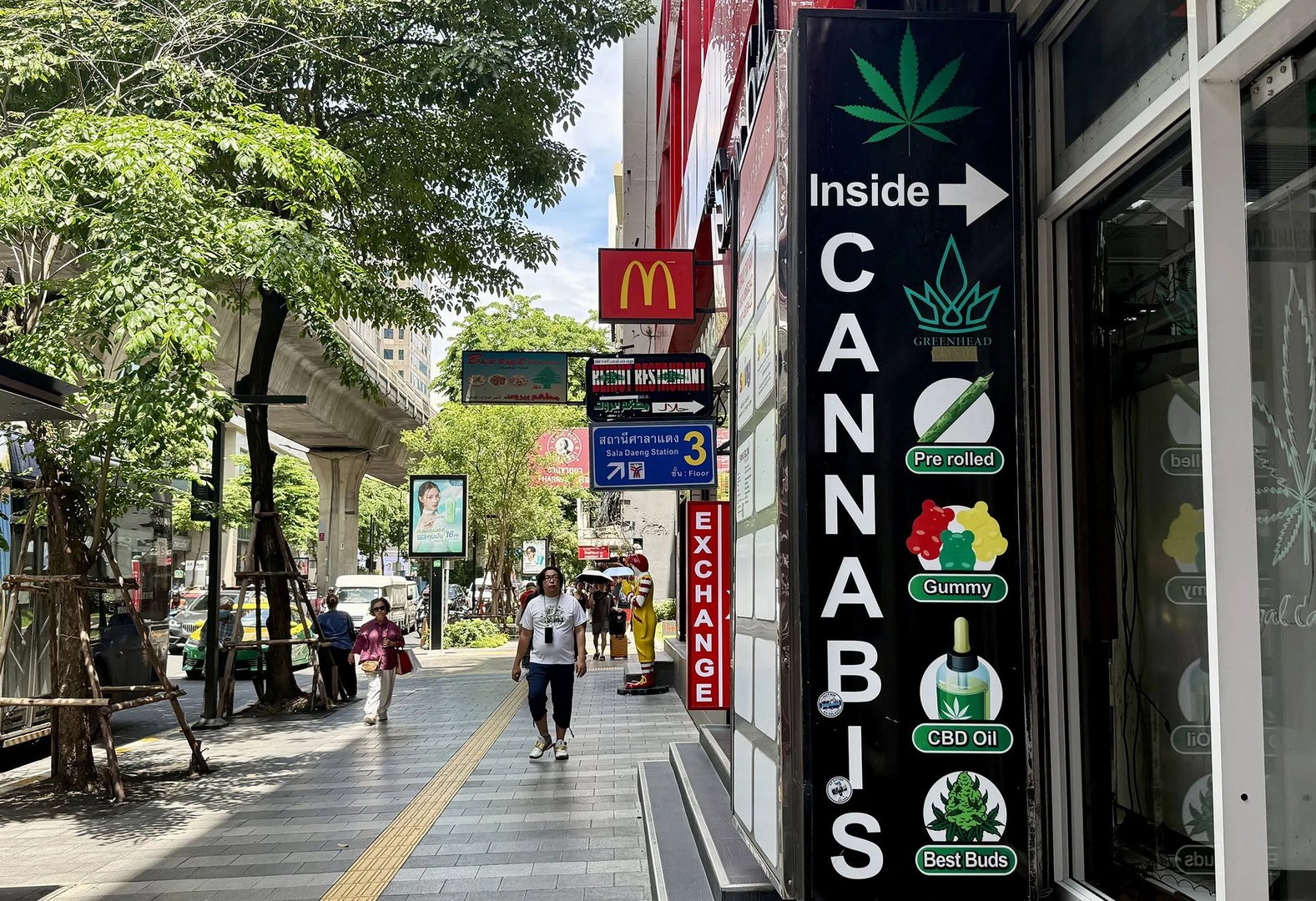
Once hailed as a landmark reform when the government decriminalised cannabis in June 2022, the policy that allowed wide commercial sale and recreational use has been progressively tightened, prompting a wave of shop closures and a robust political debate over the future of the industry.
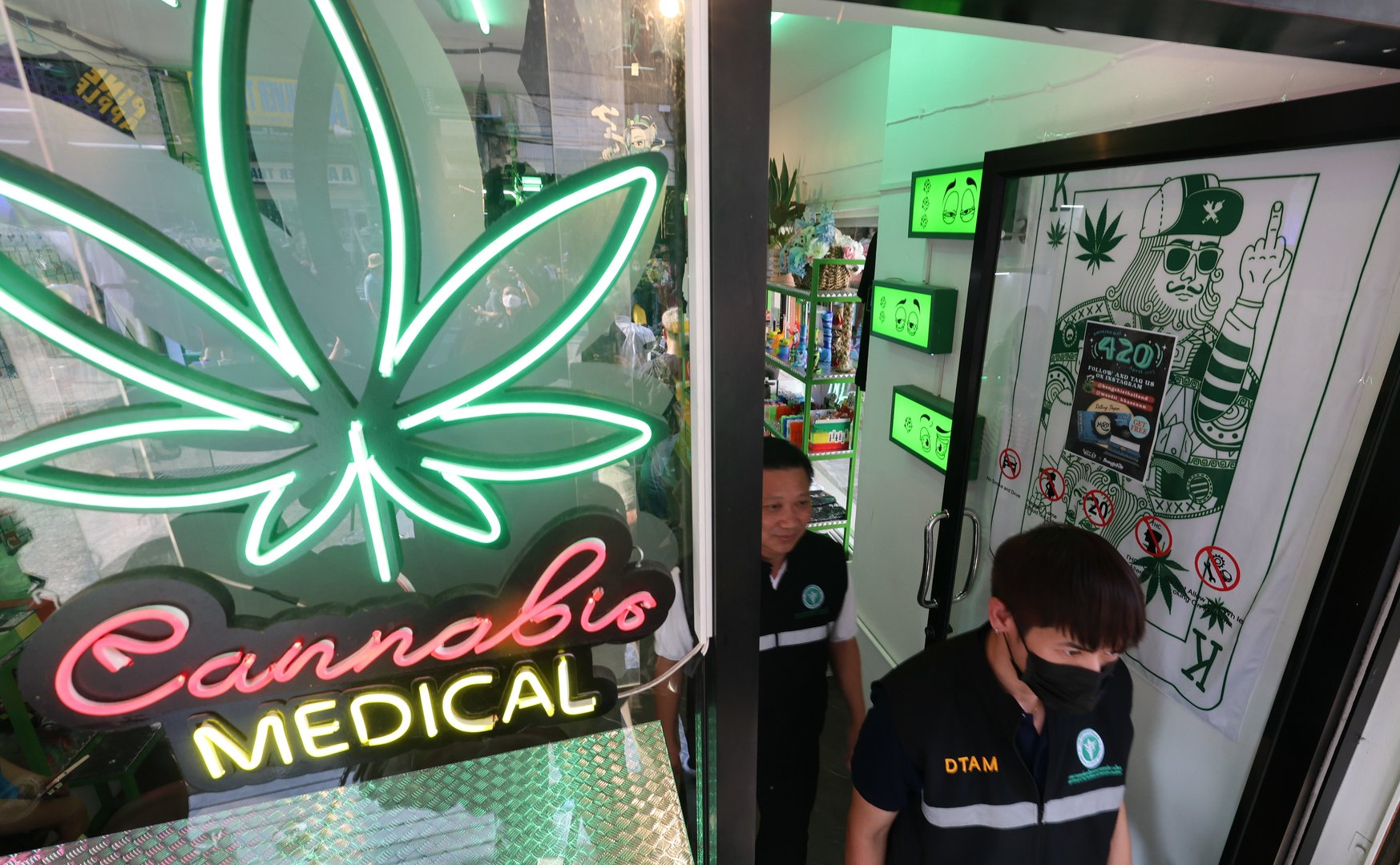
Under new rules enacted in June 2025, cannabis flower buds were reclassified as a “controlled herb” and are only legally available for medical use with a prescription from licensed medical practitioners.
Recreational sales and advertising are now prohibited, forcing many businesses to adapt to the strict medical-only regime.
As of early February 2026, more than seven thousand cannabis shops chose not to renew their licences, shrinking the sector and placing financial strain on small operators who had flourished under the earlier, more permissive framework.
This regulatory shift reflects growing public and political concerns about unregulated recreational use, particularly among young people, and the government’s efforts to strengthen oversight and public health safeguards.
The issue has also become a flashpoint in political campaigns, with several major parties pledging to reinforce medical-only use and, in some cases, seek to reinsert cannabis into the narcotics schedule entirely after the election.
Advocates for the industry argue that overly restrictive approaches could undermine economic opportunities and tourism, while opponents contend that the earlier liberalisation lacked adequate controls and contributed to widespread recreational consumption.
With opinion polling and party platforms now placing cannabis policy at the forefront of the election debate, Thailand’s experiment with cannabis liberalisation faces a decisive moment that could shape the sector’s legal and economic landscape for years to come.
Once hailed as a landmark reform when the government decriminalised cannabis in June 2022, the policy that allowed wide commercial sale and recreational use has been progressively tightened, prompting a wave of shop closures and a robust political debate over the future of the industry.
Under new rules enacted in June 2025, cannabis flower buds were reclassified as a “controlled herb” and are only legally available for medical use with a prescription from licensed medical practitioners.
Recreational sales and advertising are now prohibited, forcing many businesses to adapt to the strict medical-only regime.
As of early February 2026, more than seven thousand cannabis shops chose not to renew their licences, shrinking the sector and placing financial strain on small operators who had flourished under the earlier, more permissive framework.
This regulatory shift reflects growing public and political concerns about unregulated recreational use, particularly among young people, and the government’s efforts to strengthen oversight and public health safeguards.
The issue has also become a flashpoint in political campaigns, with several major parties pledging to reinforce medical-only use and, in some cases, seek to reinsert cannabis into the narcotics schedule entirely after the election.
Advocates for the industry argue that overly restrictive approaches could undermine economic opportunities and tourism, while opponents contend that the earlier liberalisation lacked adequate controls and contributed to widespread recreational consumption.
With opinion polling and party platforms now placing cannabis policy at the forefront of the election debate, Thailand’s experiment with cannabis liberalisation faces a decisive moment that could shape the sector’s legal and economic landscape for years to come.