
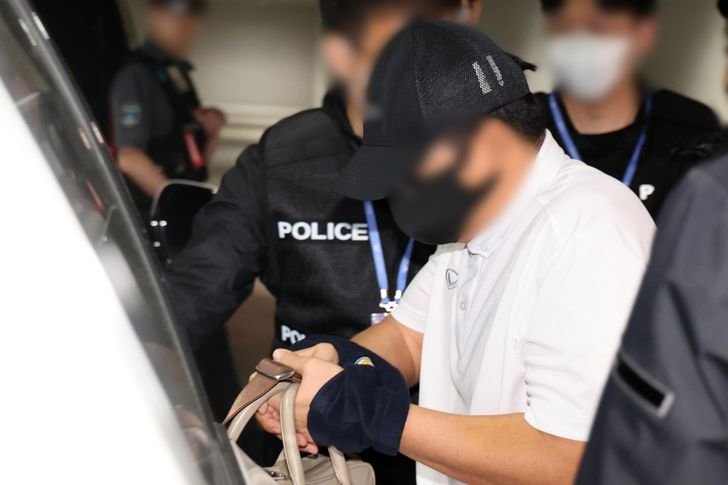

Thailand extradites alleged supplier to drug kingpin Park Wang-yeol in cross-border narcotics crackdown
Repatriation highlights expanding regional cooperation against drug trafficking networks linked to large-scale synthetic drug distribution
An international law enforcement operation involving Thailand and foreign authorities has resulted in the repatriation of an alleged drug supplier connected to the network of convicted drug kingpin Park Wang-yeol, marking a further escalation in coordinated efforts to dismantle transnational narcotics supply chains operating across Southeast and East Asia.
The case centers on the arrest and transfer of an individual accused of supplying controlled substances to a criminal network associated with Park Wang-yeol, a figure previously identified by authorities as a major actor in regional drug trafficking.
What is confirmed is that Thai authorities carried out the detention and subsequent handover of the suspect under established extradition or deportation procedures, following coordination with international law enforcement counterparts.
The mechanism behind the operation reflects standard transnational policing frameworks used in cross-border narcotics cases.
When suspects are located in a jurisdiction different from where alleged crimes were committed or where criminal networks are based, authorities typically rely on bilateral agreements, mutual legal assistance treaties, or immigration enforcement powers to secure custody transfers.
In this case, Thailand functioned as the transit or holding jurisdiction before repatriation.
Park Wang-yeol’s network has been previously linked by enforcement agencies to large-scale distribution of illicit drugs across multiple countries, particularly synthetic narcotics circulating through regional trafficking routes.
Individuals identified as suppliers within such networks are often targeted not only for direct trafficking charges but also for their role in sustaining supply chains that extend beyond national borders.
The key issue in this case is the continued fragmentation of transnational drug networks and the corresponding need for coordinated enforcement.
Rather than operating through centralized structures, modern trafficking organizations often rely on distributed supply chains involving multiple independent suppliers, logistics intermediaries, and regional brokers.
This structure makes enforcement more complex and increases reliance on international cooperation.
Thailand’s role in such operations reflects its geographic position as both a transit hub and enforcement partner in regional narcotics control efforts.
Authorities regularly cooperate with neighboring countries and international agencies to locate, detain, and transfer suspects linked to cross-border drug cases.
These operations are typically sensitive and conducted under legal frameworks designed to prevent jurisdictional conflict.
The repatriation of the alleged supplier is expected to enable further investigation and potential prosecution in the jurisdiction requesting the transfer, where the broader network associated with Park Wang-yeol is being examined.
Such cases often lead to expanded investigations aimed at identifying additional suppliers, financial intermediaries, and logistical facilitators.
The broader implication is that regional drug enforcement is increasingly reliant on synchronized international action rather than isolated national operations.
As trafficking networks adapt to enforcement pressure by dispersing across jurisdictions, law enforcement responses have similarly shifted toward coordinated cross-border interventions designed to disrupt supply chains at multiple points simultaneously.
The transfer underscores the continuing priority placed by regional authorities on dismantling high-level drug distribution networks and preventing the re-establishment of supply channels linked to previously identified trafficking organizations.
The case centers on the arrest and transfer of an individual accused of supplying controlled substances to a criminal network associated with Park Wang-yeol, a figure previously identified by authorities as a major actor in regional drug trafficking.
What is confirmed is that Thai authorities carried out the detention and subsequent handover of the suspect under established extradition or deportation procedures, following coordination with international law enforcement counterparts.
The mechanism behind the operation reflects standard transnational policing frameworks used in cross-border narcotics cases.
When suspects are located in a jurisdiction different from where alleged crimes were committed or where criminal networks are based, authorities typically rely on bilateral agreements, mutual legal assistance treaties, or immigration enforcement powers to secure custody transfers.
In this case, Thailand functioned as the transit or holding jurisdiction before repatriation.
Park Wang-yeol’s network has been previously linked by enforcement agencies to large-scale distribution of illicit drugs across multiple countries, particularly synthetic narcotics circulating through regional trafficking routes.
Individuals identified as suppliers within such networks are often targeted not only for direct trafficking charges but also for their role in sustaining supply chains that extend beyond national borders.
The key issue in this case is the continued fragmentation of transnational drug networks and the corresponding need for coordinated enforcement.
Rather than operating through centralized structures, modern trafficking organizations often rely on distributed supply chains involving multiple independent suppliers, logistics intermediaries, and regional brokers.
This structure makes enforcement more complex and increases reliance on international cooperation.
Thailand’s role in such operations reflects its geographic position as both a transit hub and enforcement partner in regional narcotics control efforts.
Authorities regularly cooperate with neighboring countries and international agencies to locate, detain, and transfer suspects linked to cross-border drug cases.
These operations are typically sensitive and conducted under legal frameworks designed to prevent jurisdictional conflict.
The repatriation of the alleged supplier is expected to enable further investigation and potential prosecution in the jurisdiction requesting the transfer, where the broader network associated with Park Wang-yeol is being examined.
Such cases often lead to expanded investigations aimed at identifying additional suppliers, financial intermediaries, and logistical facilitators.
The broader implication is that regional drug enforcement is increasingly reliant on synchronized international action rather than isolated national operations.
As trafficking networks adapt to enforcement pressure by dispersing across jurisdictions, law enforcement responses have similarly shifted toward coordinated cross-border interventions designed to disrupt supply chains at multiple points simultaneously.
The transfer underscores the continuing priority placed by regional authorities on dismantling high-level drug distribution networks and preventing the re-establishment of supply channels linked to previously identified trafficking organizations.