Thaksin Shinawatra’s Parole Marks New Turn in Thailand’s Long Political Power Struggle
The former prime minister’s supervised release reopens questions over legal accountability, elite influence, and the balance of power in Thailand’s contested political system.
An ACTOR-DRIVEN development involving former Thai prime minister Thaksin Shinawatra has entered a new phase as his parole process continues to reshape Thailand’s political equilibrium, highlighting the enduring influence of a single figure on the country’s institutional and electoral landscape.
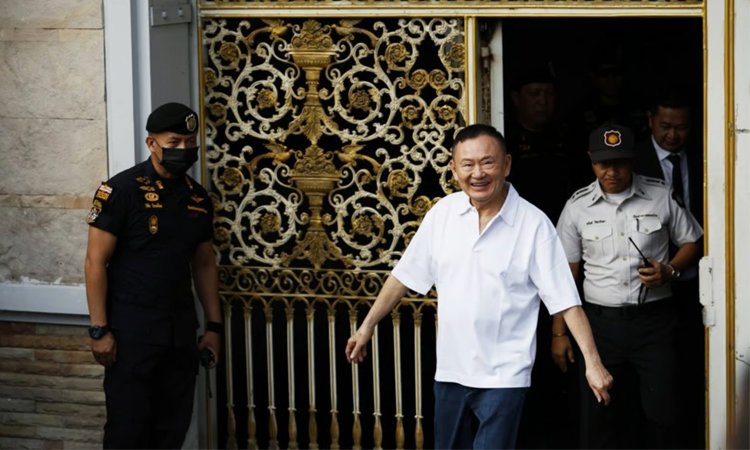
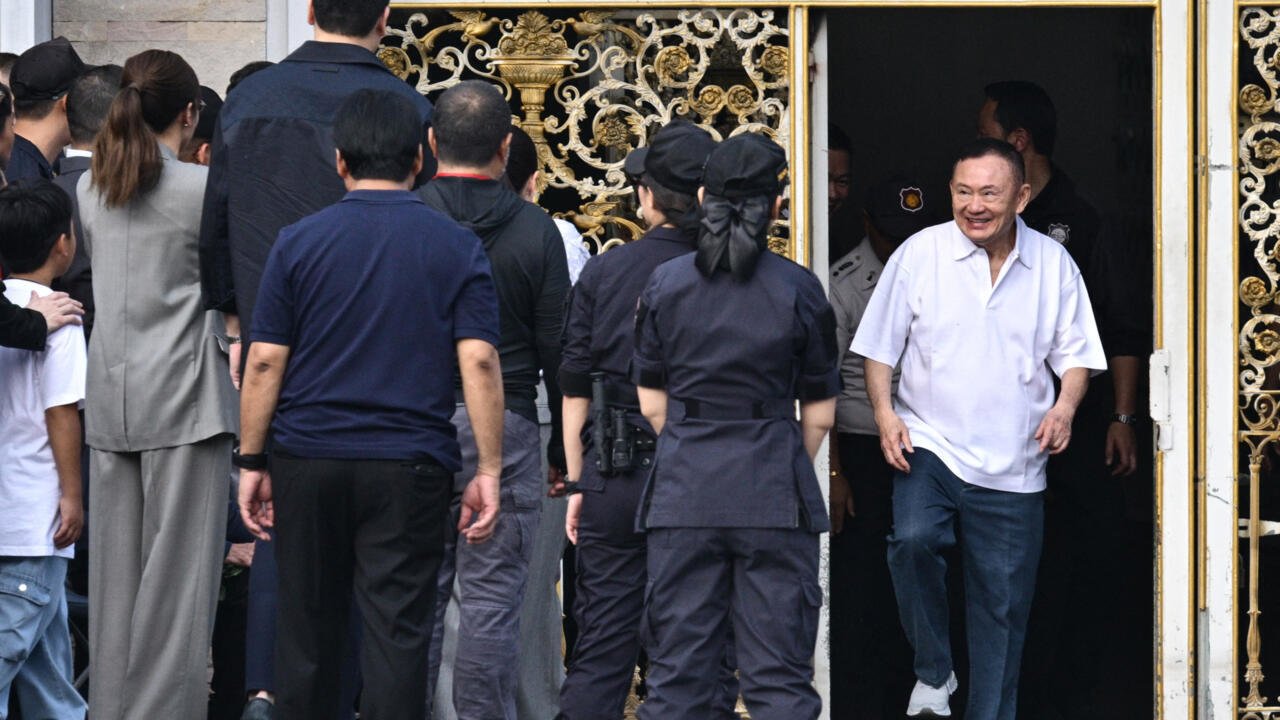
What is confirmed is that Thaksin Shinawatra, one of Thailand’s most consequential and polarizing political leaders, has been granted parole following a period of detention connected to prior legal convictions.
His release under supervision follows a series of court rulings and enforcement actions that had initially led to his imprisonment upon his return to Thailand after years of self-imposed exile.
Thaksin’s case sits at the intersection of legal procedure and political reality.
After returning to Thailand, he was taken into custody to serve sentences related to past corruption and abuse-of-power convictions.
His parole reflects Thailand’s correctional and judicial processes, which allow for supervised release based on criteria such as age, health considerations, and conduct during detention.
The key issue is that Thaksin remains not just a former convicted official but also a central political actor whose influence extends through party structures, electoral alliances, and elite negotiations.
Even during periods of absence from formal politics, his affiliated networks have remained active within Thailand’s parliamentary system, shaping government formation and coalition stability.
His parole has therefore generated significant political interpretation beyond its legal mechanics.
Supporters view it as a procedural outcome consistent with Thailand’s correctional framework.
Critics argue it reflects the persistent entanglement of political power and judicial discretion in cases involving high-profile figures, raising broader questions about equality before the law.
Thailand’s political system has long been characterized by recurring cycles of electoral dominance by Thaksin-aligned parties, followed by institutional pushback from courts, regulatory bodies, and military-aligned actors.
This structural tension has produced repeated changes in government configurations, constitutional revisions, and shifts in civil-military relations over the past two decades.
The parole decision arrives at a moment when Thailand is already navigating fragile coalition politics and ongoing debates over democratic reform, judicial authority, and the role of unelected institutions in shaping political outcomes.
In this context, Thaksin’s status functions as both a legal matter and a symbolic focal point for deeper political divisions.
The implications extend beyond the individual case.
His presence in Thailand, even under legal supervision, influences party alignment strategies, succession planning within political movements, and negotiations among competing elite factions.
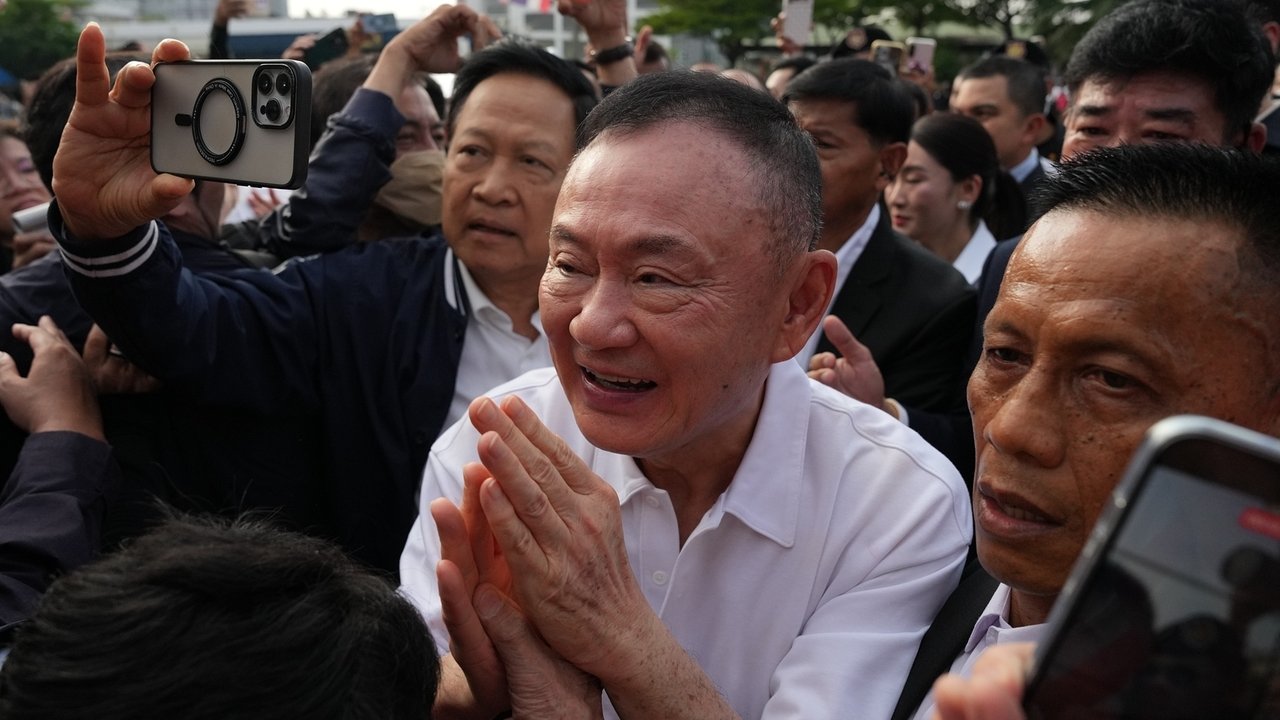
It also affects public sentiment among both supporters and opponents, reinforcing long-standing polarization within Thai society.
The broader consequence is that Thaksin’s parole does not close a legal chapter so much as extend a political one.
His case continues to operate as a reference point in Thailand’s ongoing struggle to define the boundaries between electoral legitimacy, judicial authority, and institutional power.
What is confirmed is that Thaksin Shinawatra, one of Thailand’s most consequential and polarizing political leaders, has been granted parole following a period of detention connected to prior legal convictions.
His release under supervision follows a series of court rulings and enforcement actions that had initially led to his imprisonment upon his return to Thailand after years of self-imposed exile.
Thaksin’s case sits at the intersection of legal procedure and political reality.
After returning to Thailand, he was taken into custody to serve sentences related to past corruption and abuse-of-power convictions.
His parole reflects Thailand’s correctional and judicial processes, which allow for supervised release based on criteria such as age, health considerations, and conduct during detention.
The key issue is that Thaksin remains not just a former convicted official but also a central political actor whose influence extends through party structures, electoral alliances, and elite negotiations.
Even during periods of absence from formal politics, his affiliated networks have remained active within Thailand’s parliamentary system, shaping government formation and coalition stability.
His parole has therefore generated significant political interpretation beyond its legal mechanics.
Supporters view it as a procedural outcome consistent with Thailand’s correctional framework.
Critics argue it reflects the persistent entanglement of political power and judicial discretion in cases involving high-profile figures, raising broader questions about equality before the law.
Thailand’s political system has long been characterized by recurring cycles of electoral dominance by Thaksin-aligned parties, followed by institutional pushback from courts, regulatory bodies, and military-aligned actors.
This structural tension has produced repeated changes in government configurations, constitutional revisions, and shifts in civil-military relations over the past two decades.
The parole decision arrives at a moment when Thailand is already navigating fragile coalition politics and ongoing debates over democratic reform, judicial authority, and the role of unelected institutions in shaping political outcomes.
In this context, Thaksin’s status functions as both a legal matter and a symbolic focal point for deeper political divisions.
The implications extend beyond the individual case.
His presence in Thailand, even under legal supervision, influences party alignment strategies, succession planning within political movements, and negotiations among competing elite factions.
It also affects public sentiment among both supporters and opponents, reinforcing long-standing polarization within Thai society.
The broader consequence is that Thaksin’s parole does not close a legal chapter so much as extend a political one.
His case continues to operate as a reference point in Thailand’s ongoing struggle to define the boundaries between electoral legitimacy, judicial authority, and institutional power.