Vietnam Expands Trade Relations with the US Amid Tariff Concerns
Prime Minister Pham Minh Chinh announces steps to re-balance trade surplus and enhance US investments.
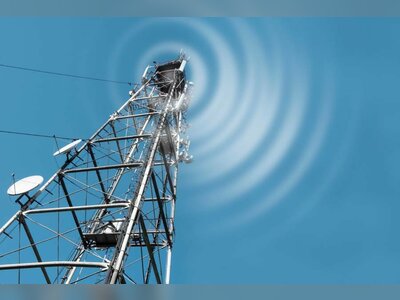
HANOI - Vietnamese Prime Minister Pham Minh Chinh stated on Saturday that the government is committed to expediting the licensing process for Elon Musk’s Starlink to provide satellite internet in Vietnam, aiming to initiate a pilot program swiftly.
This announcement was made in a meeting attended by representatives from nearly 40 US businesses in Hanoi.
The initiative is part of a broader strategy by the Vietnamese government to address its significant trade surplus with the United States, which has raised concerns over potential retaliatory tariffs from the US administration.
Chinh outlined plans for Vietnam to broaden its imports from the US, including aircraft, liquefied natural gas, arms, agricultural products, and pharmaceuticals, with the goal of balancing trade relations.
In the context of rapidly growing exports to the US, the Vietnamese government seeks to circumvent the anticipated duties that could affect trade starting in April.
A statement from the government indicated that the Prime Minister has instructed the Ministry of Science and Technology to swiftly issue the necessary licenses for trial operations of Starlink internet services.
The Vietnamese National Assembly recently approved a temporary framework permitting foreign satellite internet firms, like Starlink, to establish local subsidiaries while retaining full ownership—an important requirement set by Musk.
This change marks a significant adjustment in Vietnam’s regulatory stance regarding foreign investment in sensitive sectors.
A US official present at the meeting remarked that these discussions aim to resolve outstanding issues for American companies operating in Vietnam.
Prime Minister Chinh is also scheduled to meet with representatives from other foreign enterprises, as he seeks to mitigate trade tensions and reassure investors about the stability of Vietnam’s export-driven economy.
In efforts to counterbalance its trade surplus, Vietnam is looking to make substantial purchases from the US. Among the notable agreements cited is Vietnam Airlines’ previous commitment to buy 50 Boeing 737 Max jets, an arrangement valued at approximately $11 billion.
However, the nature of the deal and whether it includes engines and additional components has yet to be clarified.
The White House previously indicated that this transaction was worth $7.8 billion.
Further discussions are ongoing regarding price negotiations with Boeing for another order of 200 Boeing 737 Max jets with low-cost airline VietJet, although delivery schedules for past commitments remain unconfirmed.
Additionally, Vietnamese officials have expressed intentions to increase imports of US agricultural products and have shown interest in acquiring US liquefied natural gas to support Vietnam’s emerging LNG sector.
Potential military procurement discussions have also included the acquisition of Lockheed Martin C-130 Hercules transport planes, highlighting the multifaceted nature of growing US-Vietnam trade relations.
This announcement was made in a meeting attended by representatives from nearly 40 US businesses in Hanoi.
The initiative is part of a broader strategy by the Vietnamese government to address its significant trade surplus with the United States, which has raised concerns over potential retaliatory tariffs from the US administration.
Chinh outlined plans for Vietnam to broaden its imports from the US, including aircraft, liquefied natural gas, arms, agricultural products, and pharmaceuticals, with the goal of balancing trade relations.
In the context of rapidly growing exports to the US, the Vietnamese government seeks to circumvent the anticipated duties that could affect trade starting in April.
A statement from the government indicated that the Prime Minister has instructed the Ministry of Science and Technology to swiftly issue the necessary licenses for trial operations of Starlink internet services.
The Vietnamese National Assembly recently approved a temporary framework permitting foreign satellite internet firms, like Starlink, to establish local subsidiaries while retaining full ownership—an important requirement set by Musk.
This change marks a significant adjustment in Vietnam’s regulatory stance regarding foreign investment in sensitive sectors.
A US official present at the meeting remarked that these discussions aim to resolve outstanding issues for American companies operating in Vietnam.
Prime Minister Chinh is also scheduled to meet with representatives from other foreign enterprises, as he seeks to mitigate trade tensions and reassure investors about the stability of Vietnam’s export-driven economy.
In efforts to counterbalance its trade surplus, Vietnam is looking to make substantial purchases from the US. Among the notable agreements cited is Vietnam Airlines’ previous commitment to buy 50 Boeing 737 Max jets, an arrangement valued at approximately $11 billion.
However, the nature of the deal and whether it includes engines and additional components has yet to be clarified.
The White House previously indicated that this transaction was worth $7.8 billion.
Further discussions are ongoing regarding price negotiations with Boeing for another order of 200 Boeing 737 Max jets with low-cost airline VietJet, although delivery schedules for past commitments remain unconfirmed.
Additionally, Vietnamese officials have expressed intentions to increase imports of US agricultural products and have shown interest in acquiring US liquefied natural gas to support Vietnam’s emerging LNG sector.
Potential military procurement discussions have also included the acquisition of Lockheed Martin C-130 Hercules transport planes, highlighting the multifaceted nature of growing US-Vietnam trade relations.