
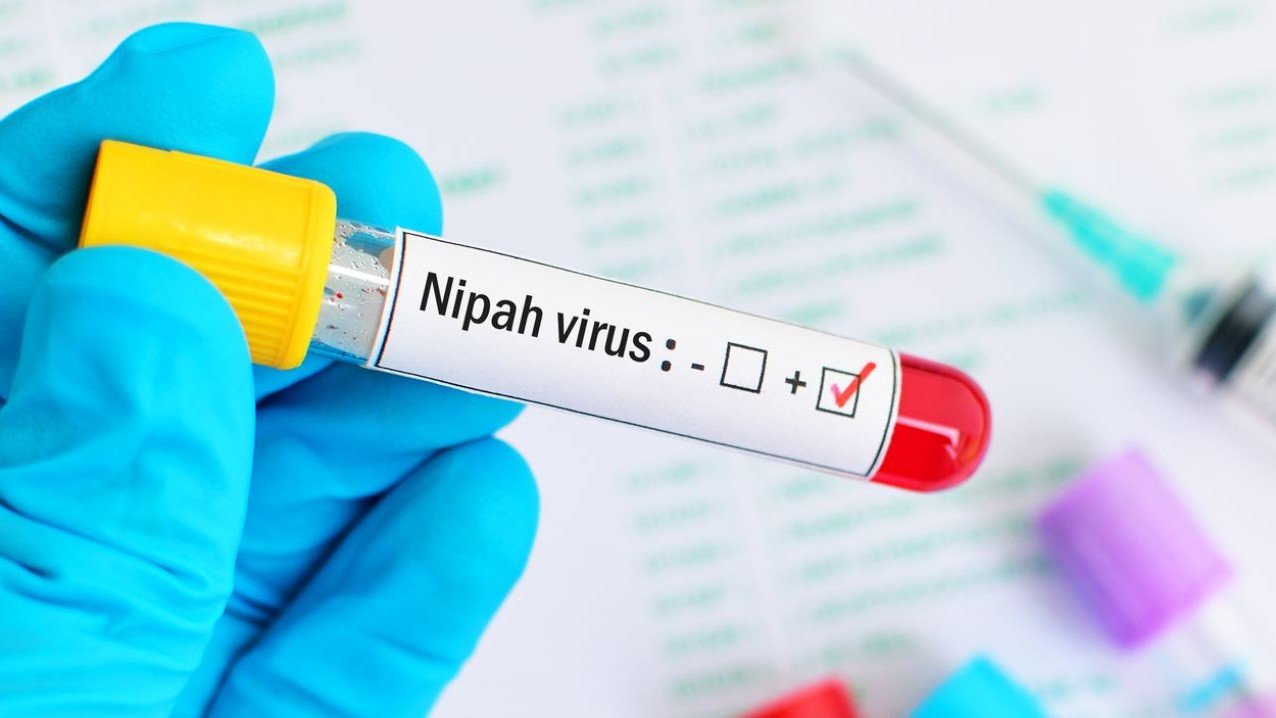
WHO Assesses Nipah Virus Outbreak in India and Says International Spread Risk is Low
World Health Organization officials judge that, despite confirmed cases in West Bengal, the likelihood of Nipah virus spreading beyond India remains limited amid robust containment and surveillance
The World Health Organization has evaluated the recent Nipah virus cases confirmed in India’s West Bengal state and determined that the risk of the infection spreading internationally is low.
WHO representatives, working closely with Indian health authorities, emphasised that there is no evidence of increased human-to-human transmission and that current public health responses are effectively mitigating broader risks.
The current situation originates from two confirmed cases of the Nipah virus in West Bengal, detected in late December, prompting immediate public health action.
Comprehensive contact tracing and monitoring of nearly two hundred identified contacts have so far shown no additional infections or evidence of sustained community transmission, underscoring the containment measures’ effectiveness and the localized nature of the outbreak.
Several countries in the region have heightened surveillance at ports of entry, but WHO has not recommended travel or trade restrictions in response to the outbreak.
The Nipah virus is a zoonotic pathogen typically transmitted from animal hosts such as fruit bats or infected livestock to humans, and occasionally between people through close contact.
It is known for its potential to cause serious illness, including encephalitis and severe respiratory symptoms, and has historically exhibited a high case fatality rate in outbreaks studied over recent decades.
However, the virus’s basic reproduction number — a measure of how many people one infected person will transmit the virus to — remains below levels associated with widespread epidemics in this event.
Public health authorities in India and neighbouring countries have reiterated that vigilance is essential, given the virus’s severity and the lack of licensed vaccines or specific antiviral treatments.
Surveillance, early detection, and supportive care remain central to managing cases and limiting onward transmission.
National health agencies are also cooperating to share information and coordinate response measures, reinforcing surveillance systems and clinical readiness should additional cases arise.
Current data affirm that, while Nipah warrants careful monitoring, WHO’s assessment of low risk beyond India reflects confidence in the containment and response strategies presently in place.
WHO representatives, working closely with Indian health authorities, emphasised that there is no evidence of increased human-to-human transmission and that current public health responses are effectively mitigating broader risks.
The current situation originates from two confirmed cases of the Nipah virus in West Bengal, detected in late December, prompting immediate public health action.
Comprehensive contact tracing and monitoring of nearly two hundred identified contacts have so far shown no additional infections or evidence of sustained community transmission, underscoring the containment measures’ effectiveness and the localized nature of the outbreak.
Several countries in the region have heightened surveillance at ports of entry, but WHO has not recommended travel or trade restrictions in response to the outbreak.
The Nipah virus is a zoonotic pathogen typically transmitted from animal hosts such as fruit bats or infected livestock to humans, and occasionally between people through close contact.
It is known for its potential to cause serious illness, including encephalitis and severe respiratory symptoms, and has historically exhibited a high case fatality rate in outbreaks studied over recent decades.
However, the virus’s basic reproduction number — a measure of how many people one infected person will transmit the virus to — remains below levels associated with widespread epidemics in this event.
Public health authorities in India and neighbouring countries have reiterated that vigilance is essential, given the virus’s severity and the lack of licensed vaccines or specific antiviral treatments.
Surveillance, early detection, and supportive care remain central to managing cases and limiting onward transmission.
National health agencies are also cooperating to share information and coordinate response measures, reinforcing surveillance systems and clinical readiness should additional cases arise.
Current data affirm that, while Nipah warrants careful monitoring, WHO’s assessment of low risk beyond India reflects confidence in the containment and response strategies presently in place.