Thailand Advocates ‘Calibrated Engagement’ With Myanmar’s Emerging Government Amid ASEAN Deliberations
Bangkok urges a cautious, benchmark-based approach to working with Myanmar’s post-election leadership while sustaining pressure for peace and humanitarian access
Thailand has proposed a policy of “calibrated engagement” with Myanmar’s incoming government, underlining a nuanced diplomatic approach that seeks to balance regional stability with ongoing calls for an end to conflict.
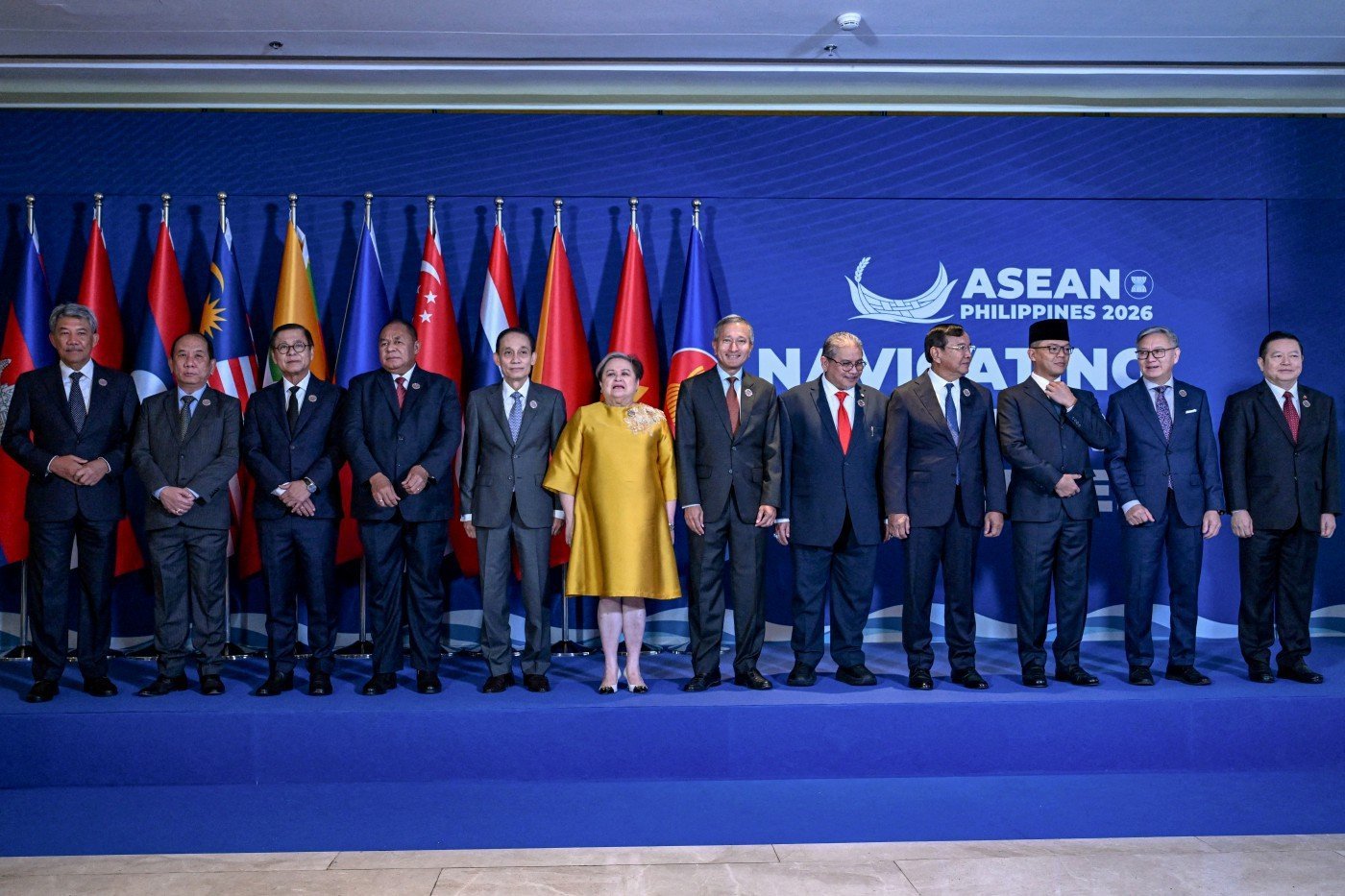
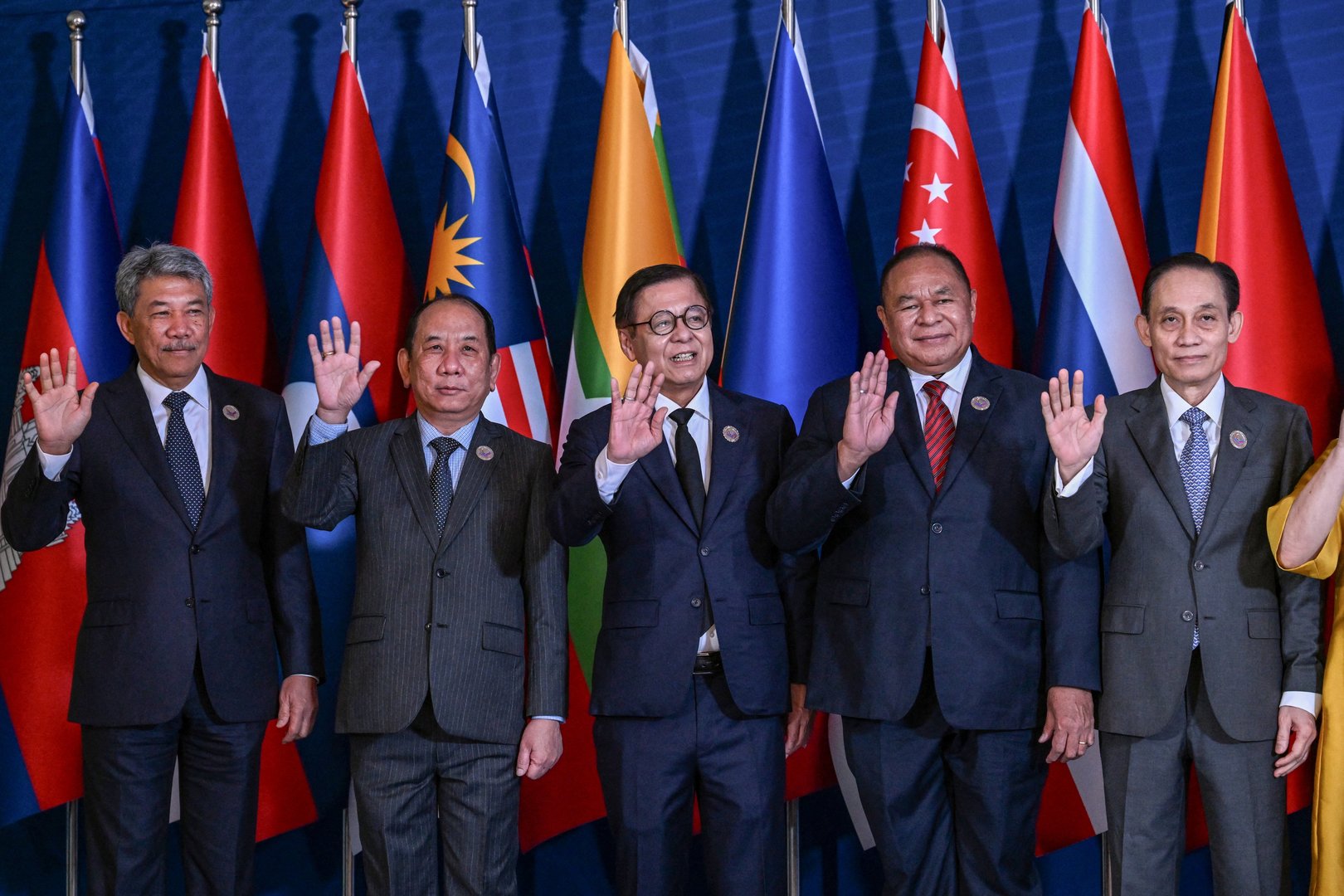
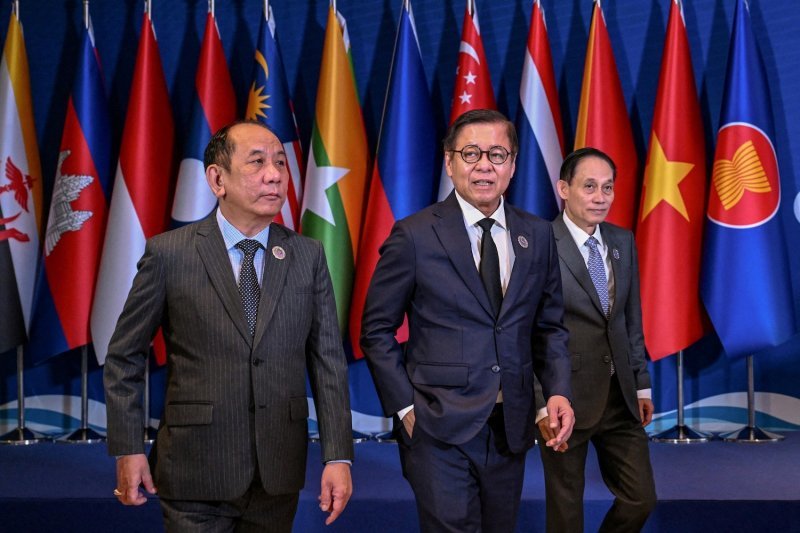
Speaking at the Association of Southeast Asian Nations Foreign Ministers’ Meeting Retreat in Cebu, Philippines, Thai Foreign Minister Sihasak Phuangketkeow said Bangkok, as Myanmar’s next-door neighbour, recognises the evolving political context following Myanmar’s recent elections and believes ASEAN must adapt its stance accordingly.
The elections, held in late December and January in three rounds, resulted in a decisive victory for the military-backed Union Solidarity and Development Party amid a civil war that has persisted since the 2021 coup and the dissolution of the elected civilian administration.
Thailand’s proposal does not amount to an outright endorsement of the vote results, which rights groups, the United Nations and several Western governments have criticised; rather, it envisages engagement contingent on tangible steps from Naypyidaw’s authorities, such as improvements in humanitarian access and a reduction in violence.
The calibrated engagement concept is framed as a way to maintain constructive dialogue with Myanmar’s leadership while preserving ASEAN’s established peace framework, known as the Five-Point Consensus, which calls for a cessation of hostilities, inclusive dialogue among parties, humanitarian assistance and the appointment of a special ASEAN envoy.
Thai officials have emphasised that the initiative aims to create benchmarks that could guide incremental cooperation without prematurely conferring international legitimacy on the new government.
In outlining the proposal, Sihasak expressed hope that the recent polls could mark ‘‘the start of a transition’’ toward sustainable peace, while acknowledging they fell short of many expectations.
Other ASEAN members have signalled cautious interest in the idea, with discussions focusing on how best to balance principled pressure for conflict resolution with pragmatic engagement that could open space for dialogue and humanitarian relief in Myanmar’s protracted crisis.
Thailand’s stance reflects its broader diplomatic role in regional affairs and its interest in ensuring stability along its extensive border with Myanmar, where economic, social and security linkages remain significant.
Speaking at the Association of Southeast Asian Nations Foreign Ministers’ Meeting Retreat in Cebu, Philippines, Thai Foreign Minister Sihasak Phuangketkeow said Bangkok, as Myanmar’s next-door neighbour, recognises the evolving political context following Myanmar’s recent elections and believes ASEAN must adapt its stance accordingly.
The elections, held in late December and January in three rounds, resulted in a decisive victory for the military-backed Union Solidarity and Development Party amid a civil war that has persisted since the 2021 coup and the dissolution of the elected civilian administration.
Thailand’s proposal does not amount to an outright endorsement of the vote results, which rights groups, the United Nations and several Western governments have criticised; rather, it envisages engagement contingent on tangible steps from Naypyidaw’s authorities, such as improvements in humanitarian access and a reduction in violence.
The calibrated engagement concept is framed as a way to maintain constructive dialogue with Myanmar’s leadership while preserving ASEAN’s established peace framework, known as the Five-Point Consensus, which calls for a cessation of hostilities, inclusive dialogue among parties, humanitarian assistance and the appointment of a special ASEAN envoy.
Thai officials have emphasised that the initiative aims to create benchmarks that could guide incremental cooperation without prematurely conferring international legitimacy on the new government.
In outlining the proposal, Sihasak expressed hope that the recent polls could mark ‘‘the start of a transition’’ toward sustainable peace, while acknowledging they fell short of many expectations.
Other ASEAN members have signalled cautious interest in the idea, with discussions focusing on how best to balance principled pressure for conflict resolution with pragmatic engagement that could open space for dialogue and humanitarian relief in Myanmar’s protracted crisis.
Thailand’s stance reflects its broader diplomatic role in regional affairs and its interest in ensuring stability along its extensive border with Myanmar, where economic, social and security linkages remain significant.