Thailand’s Reformist Leader Natthaphong Rises to Polling Lead Ahead of February Election
Recent opinion polls place the People’s Party and its prime ministerial candidate Natthaphong Ruengpanyawut at the forefront as Thailand prepares for a pivotal February 8 vote
Thailand’s general election scheduled for February eighth is shaping up as a decisive moment in the nation’s political trajectory, with recent opinion polls showing the reformist People’s Party and its leader, Natthaphong Ruengpanyawut, emerging as the front-runner among voters.
Surveys conducted in early January by independent pollsters indicate that the People’s Party commands roughly thirty to thirty-four percent support, significantly ahead of the conservative Bhumjaithai Party and the once-dominant Pheu Thai Party, reflecting a surge of public interest in political and structural reforms.
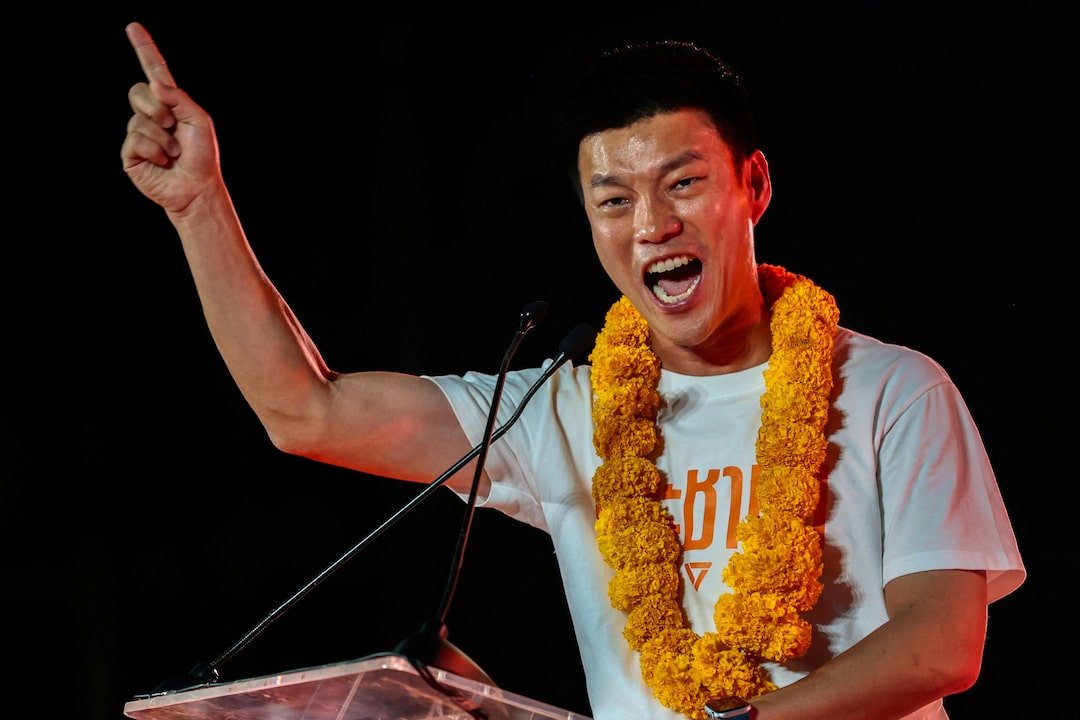
Natthaphong, a seasoned opposition figure and head of the progressive People’s Party, also leads as the preferred candidate for prime minister across multiple polls, garnering the highest share of voter preference in surveys by the National Institute of Development Administration and Suan Dusit University.
The rise of the People’s Party follows years of political upheaval in Thailand’s electoral landscape, including the dissolution of its predecessor, the Move Forward Party, after it won a plurality in the 2023 election but was blocked from forming government.
This cycle has heightened anticipation that the electorate is ready to embrace change, with a large portion of younger and urban voters drawn to the party’s agenda of transparent governance, economic opportunity and institutional reform.
As campaigning intensifies, Natthaphong has urged voters to deliberate carefully on February eighth, presenting detailed policy priorities and a lineup of experienced potential ministers to demonstrate readiness to govern.
His message emphasises that the upcoming vote will determine Thailand’s future direction and the possibility of a government that reflects popular choice rather than entrenched political networks.
With the Senate no longer empowered to influence the selection of the prime minister, the results of the parliamentary election will directly shape the composition of the next government, making the current polling lead for Natthaphong and the People’s Party a critical barometer of public sentiment in the weeks ahead.
Surveys conducted in early January by independent pollsters indicate that the People’s Party commands roughly thirty to thirty-four percent support, significantly ahead of the conservative Bhumjaithai Party and the once-dominant Pheu Thai Party, reflecting a surge of public interest in political and structural reforms.
Natthaphong, a seasoned opposition figure and head of the progressive People’s Party, also leads as the preferred candidate for prime minister across multiple polls, garnering the highest share of voter preference in surveys by the National Institute of Development Administration and Suan Dusit University.
The rise of the People’s Party follows years of political upheaval in Thailand’s electoral landscape, including the dissolution of its predecessor, the Move Forward Party, after it won a plurality in the 2023 election but was blocked from forming government.
This cycle has heightened anticipation that the electorate is ready to embrace change, with a large portion of younger and urban voters drawn to the party’s agenda of transparent governance, economic opportunity and institutional reform.
As campaigning intensifies, Natthaphong has urged voters to deliberate carefully on February eighth, presenting detailed policy priorities and a lineup of experienced potential ministers to demonstrate readiness to govern.
His message emphasises that the upcoming vote will determine Thailand’s future direction and the possibility of a government that reflects popular choice rather than entrenched political networks.
With the Senate no longer empowered to influence the selection of the prime minister, the results of the parliamentary election will directly shape the composition of the next government, making the current polling lead for Natthaphong and the People’s Party a critical barometer of public sentiment in the weeks ahead.