Anutin Turns to Thailand’s Billionaires as Economic Pressure Mounts
The Thai prime minister convened the country’s most powerful business leaders to shape an economic response focused on investment, regulation, energy and competitiveness amid rising global instability.
Thailand’s government is attempting to reposition itself as a facilitator of private-sector growth after Prime Minister Anutin Charnvirakul gathered many of the country’s most influential tycoons and corporate executives for an unusually high-level economic strategy meeting in Bangkok.
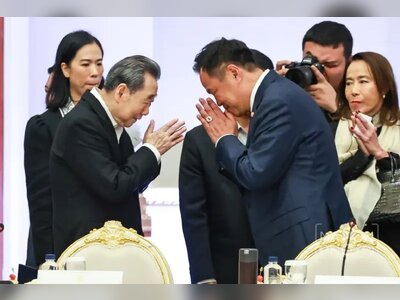
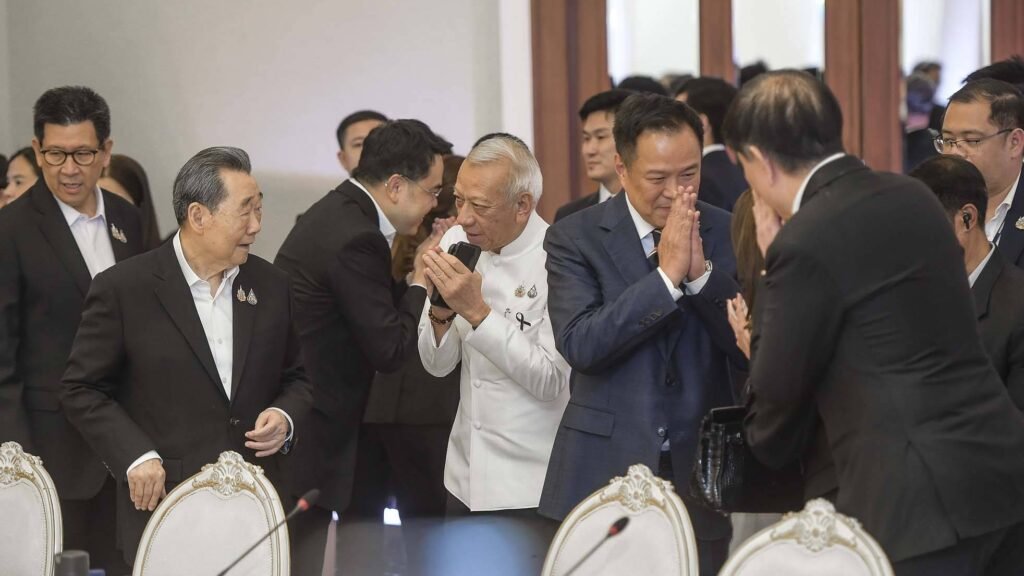
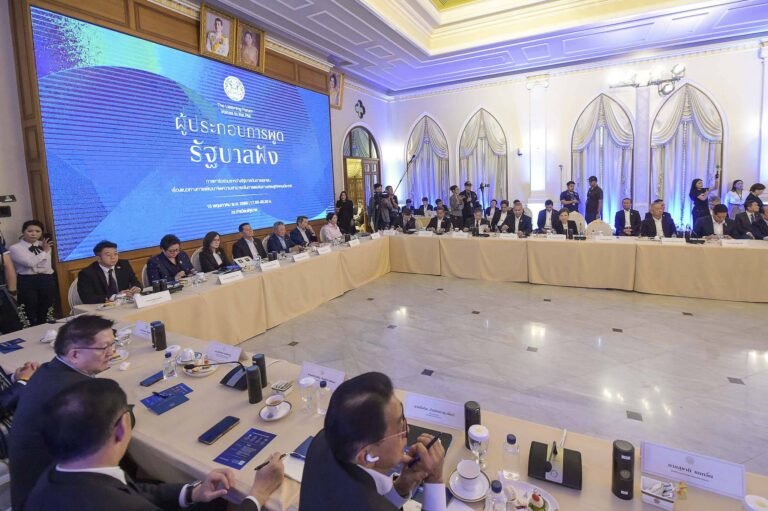
The meeting at Government House brought together senior figures from sectors including agribusiness, retail, banking, energy, logistics and construction.
Among those present were Charoen Pokphand Group senior chairman Dhanin Chearavanont, Gulf Development chief executive Sarath Ratanavadi, executives tied to the Chirathivat family’s retail empire and senior leaders from several of Thailand’s largest industrial conglomerates.
The event was framed by the government as a listening session under the theme “Entrepreneurs Speak, Government Listens”.
That language matters.
Thailand’s economy is facing pressure from weak domestic demand, slowing exports, high household debt, uneven tourism recovery and worsening global volatility linked to energy markets and geopolitical conflict.
The government is signaling that it believes economic momentum cannot be restored through public spending alone.
What is confirmed is that the talks focused heavily on competitiveness, energy costs, labour shortages, clean energy infrastructure, regulatory reform and long-term industrial strategy.
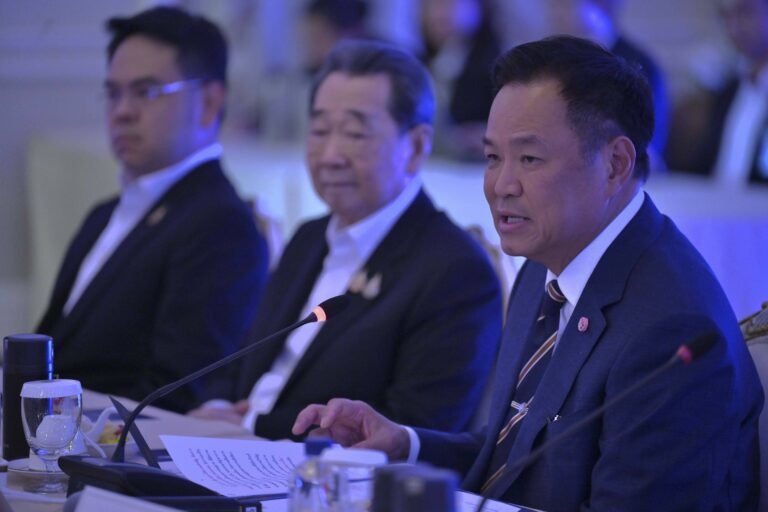
Anutin publicly stated that ministries had been instructed to reduce administrative barriers and overlapping approval systems that businesses describe as hidden costs weighing on investment.
The gathering also reflected a broader shift in Thailand’s political economy.
Instead of positioning the state as the dominant economic driver, Anutin’s administration is increasingly presenting itself as an enabler for private capital.
Officials involved in the discussions described plans to revive public-private coordination mechanisms and accelerate an “economic transformation” agenda built around technology, logistics, food security and energy transition.
The timing is significant.
Thailand has struggled to regain the growth trajectory it enjoyed before the pandemic.
Manufacturing growth has slowed, Chinese demand has weakened in several sectors and competition from regional economies such as Vietnam and Indonesia has intensified.
At the same time, global supply chains are being reshaped by trade tensions, industrial subsidies and strategic competition between the United States and China.
Thai business leaders have become increasingly vocal about structural weaknesses that they believe are limiting the country’s competitiveness.
Those concerns include slow permitting systems, aging demographics, labour shortages, uneven digital infrastructure and rising electricity costs.
Businesses are also pushing for faster investment approvals in renewable energy and data infrastructure as Southeast Asia competes for artificial intelligence-related investment and industrial relocation.
Anutin linked the meeting directly to discussions held during recent ASEAN talks, particularly around regional energy connectivity and food security.
Thailand is attempting to position itself as a regional logistics and energy hub at a moment when Southeast Asian governments are competing aggressively for manufacturing capital and supply-chain diversification.
The presence of Thailand’s wealthiest conglomerates also highlighted the concentration of economic power inside the country.
Large family-controlled business groups continue to dominate major sectors ranging from food production and telecommunications to retail and energy.
Critics have long argued that Thailand’s growth model disproportionately benefits established conglomerates while smaller businesses struggle with financing constraints and bureaucracy.
The government attempted to address that concern by emphasizing support for small and medium-sized enterprises alongside major corporations.
Officials said financing access, productivity upgrades and workforce development were discussed as part of broader efforts to strengthen the domestic economy.
The deeper issue is whether consultation can translate into execution.
Thailand has announced multiple competitiveness and reform initiatives over the past decade, but implementation has often slowed because of political turnover, fragmented bureaucracy and resistance from entrenched interests.
Investors have repeatedly identified regulatory inconsistency as one of the country’s biggest obstacles.
Anutin’s administration appears aware of that credibility problem.
The prime minister stressed that the meeting was not symbolic and said the government intended to convert private-sector recommendations into operational policy measures.
Several ministers responsible for finance, labour, energy, transport, industry and digital policy attended the session alongside senior civil servants, signaling an attempt to coordinate across ministries.
The economic backdrop adds urgency.
Energy-market instability tied to Middle East tensions has raised concerns about import costs and inflation pressure across Asia.
Thailand remains vulnerable because of its dependence on imported energy and its large tourism sector, which is sensitive to global economic slowdowns.
Business leaders are also pressing for clearer industrial priorities as countries across Asia enter a new investment cycle centered on semiconductors, clean energy, electric vehicles, artificial intelligence infrastructure and strategic manufacturing.
Thailand has ambitions to become a production hub in several of those industries but faces aggressive competition from neighboring economies offering faster approvals and larger incentives.
The government dinner that followed the talks carried political symbolism as well as economic significance.
It demonstrated Anutin’s effort to consolidate relationships with Thailand’s corporate elite while presenting himself as a pragmatic economic manager focused on stability and investment.
The next test will come in whether the government delivers measurable policy changes on regulation, infrastructure, labour and energy fast enough to convince investors that Thailand can still compete in a region where capital is moving quickly and governments are under growing pressure to secure long-term growth.
The meeting at Government House brought together senior figures from sectors including agribusiness, retail, banking, energy, logistics and construction.
Among those present were Charoen Pokphand Group senior chairman Dhanin Chearavanont, Gulf Development chief executive Sarath Ratanavadi, executives tied to the Chirathivat family’s retail empire and senior leaders from several of Thailand’s largest industrial conglomerates.
The event was framed by the government as a listening session under the theme “Entrepreneurs Speak, Government Listens”.
That language matters.
Thailand’s economy is facing pressure from weak domestic demand, slowing exports, high household debt, uneven tourism recovery and worsening global volatility linked to energy markets and geopolitical conflict.
The government is signaling that it believes economic momentum cannot be restored through public spending alone.
What is confirmed is that the talks focused heavily on competitiveness, energy costs, labour shortages, clean energy infrastructure, regulatory reform and long-term industrial strategy.
Anutin publicly stated that ministries had been instructed to reduce administrative barriers and overlapping approval systems that businesses describe as hidden costs weighing on investment.
The gathering also reflected a broader shift in Thailand’s political economy.
Instead of positioning the state as the dominant economic driver, Anutin’s administration is increasingly presenting itself as an enabler for private capital.
Officials involved in the discussions described plans to revive public-private coordination mechanisms and accelerate an “economic transformation” agenda built around technology, logistics, food security and energy transition.
The timing is significant.
Thailand has struggled to regain the growth trajectory it enjoyed before the pandemic.
Manufacturing growth has slowed, Chinese demand has weakened in several sectors and competition from regional economies such as Vietnam and Indonesia has intensified.
At the same time, global supply chains are being reshaped by trade tensions, industrial subsidies and strategic competition between the United States and China.
Thai business leaders have become increasingly vocal about structural weaknesses that they believe are limiting the country’s competitiveness.
Those concerns include slow permitting systems, aging demographics, labour shortages, uneven digital infrastructure and rising electricity costs.
Businesses are also pushing for faster investment approvals in renewable energy and data infrastructure as Southeast Asia competes for artificial intelligence-related investment and industrial relocation.
Anutin linked the meeting directly to discussions held during recent ASEAN talks, particularly around regional energy connectivity and food security.
Thailand is attempting to position itself as a regional logistics and energy hub at a moment when Southeast Asian governments are competing aggressively for manufacturing capital and supply-chain diversification.
The presence of Thailand’s wealthiest conglomerates also highlighted the concentration of economic power inside the country.
Large family-controlled business groups continue to dominate major sectors ranging from food production and telecommunications to retail and energy.
Critics have long argued that Thailand’s growth model disproportionately benefits established conglomerates while smaller businesses struggle with financing constraints and bureaucracy.
The government attempted to address that concern by emphasizing support for small and medium-sized enterprises alongside major corporations.
Officials said financing access, productivity upgrades and workforce development were discussed as part of broader efforts to strengthen the domestic economy.
The deeper issue is whether consultation can translate into execution.
Thailand has announced multiple competitiveness and reform initiatives over the past decade, but implementation has often slowed because of political turnover, fragmented bureaucracy and resistance from entrenched interests.
Investors have repeatedly identified regulatory inconsistency as one of the country’s biggest obstacles.
Anutin’s administration appears aware of that credibility problem.
The prime minister stressed that the meeting was not symbolic and said the government intended to convert private-sector recommendations into operational policy measures.
Several ministers responsible for finance, labour, energy, transport, industry and digital policy attended the session alongside senior civil servants, signaling an attempt to coordinate across ministries.
The economic backdrop adds urgency.
Energy-market instability tied to Middle East tensions has raised concerns about import costs and inflation pressure across Asia.
Thailand remains vulnerable because of its dependence on imported energy and its large tourism sector, which is sensitive to global economic slowdowns.
Business leaders are also pressing for clearer industrial priorities as countries across Asia enter a new investment cycle centered on semiconductors, clean energy, electric vehicles, artificial intelligence infrastructure and strategic manufacturing.
Thailand has ambitions to become a production hub in several of those industries but faces aggressive competition from neighboring economies offering faster approvals and larger incentives.
The government dinner that followed the talks carried political symbolism as well as economic significance.
It demonstrated Anutin’s effort to consolidate relationships with Thailand’s corporate elite while presenting himself as a pragmatic economic manager focused on stability and investment.
The next test will come in whether the government delivers measurable policy changes on regulation, infrastructure, labour and energy fast enough to convince investors that Thailand can still compete in a region where capital is moving quickly and governments are under growing pressure to secure long-term growth.