Thai Billionaire Dhanin Pushes Water Infrastructure as Strategic Fix for Rural Stagnation
CP Group’s senior chairman says irrigation, AI and integrated agriculture could transform Thailand’s farm economy as drought risks and climate volatility intensify.
System-driven pressure on Thailand’s agricultural economy is forcing a renewed debate over water infrastructure, food security and rural productivity, with Charoen Pokphand Group senior chairman Dhanin Chearavanont urging the government to treat irrigation investment as a national economic priority rather than a narrow farming issue.
Dhanin’s intervention comes as Thailand faces mounting concern over drought risk linked to a possible El Niño cycle, weakening water reserves outside major irrigation zones and growing fears that climate volatility could undermine agricultural output, rural incomes and export competitiveness.
His argument is straightforward: Thailand already possesses strong agricultural fundamentals, but inconsistent access to water is suppressing productivity across large sections of the country.
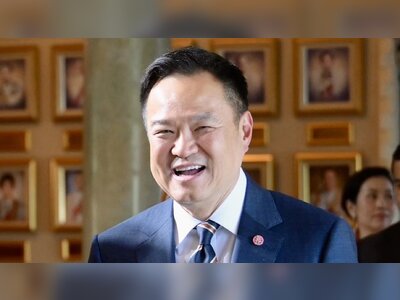
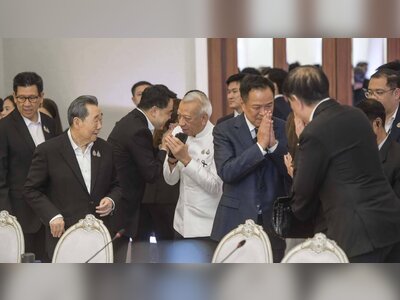
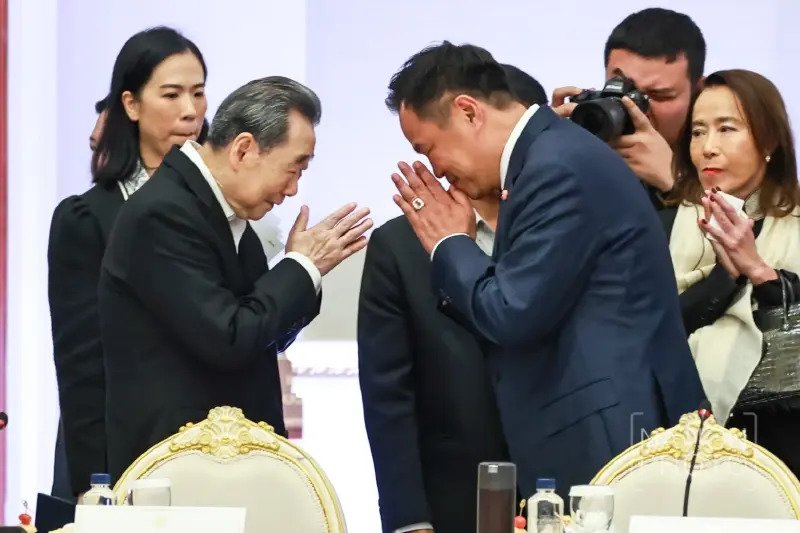
At a high-level government-business meeting in Bangkok this week, Dhanin told Prime Minister Anutin Charnvirakul and senior officials that agriculture remains Thailand’s most underused strategic asset.
He described food production as “above-ground oil”, arguing that water systems, reservoirs and irrigation distribution networks could unlock far greater economic returns than many conventional infrastructure projects.
What is confirmed is that Thailand’s government is already escalating drought-response measures.
Multiple agencies have begun coordinating emergency water management plans, urging farmers to alter planting schedules, reduce off-season rice cultivation and prepare for lower rainfall during the second half of the year.
Authorities have identified dozens of provinces at risk of domestic or agricultural water shortages, while state water agencies are preparing contingency measures for vulnerable regions.
The economic stakes are substantial because agriculture still employs millions of Thais directly or indirectly, despite the country’s industrial expansion and tourism sector.
Thailand remains one of the world’s largest exporters of rice, poultry, sugar, cassava and processed food products.
But productivity gaps persist between irrigated and non-irrigated farming areas, particularly in the northeast.
Dhanin’s proposal centers on a structural change in how Thailand treats rural infrastructure.
He argued that reliable water access would allow multiple planting cycles per year and sharply increase yields.
The broader implication is that Thailand could move away from low-margin commodity farming toward higher-value food production, advanced agricultural processing and export-oriented agritech.
His comments also reflect a wider strategic shift occurring across Asia, where governments and conglomerates are increasingly linking food security, climate resilience and industrial policy.
Rising geopolitical tensions, disrupted supply chains and weather instability have pushed many Asian economies to reconsider domestic production capacity in energy, food and strategic materials.
Thailand’s vulnerability is particularly acute because its agricultural system depends heavily on seasonal rainfall outside major central plain irrigation networks.
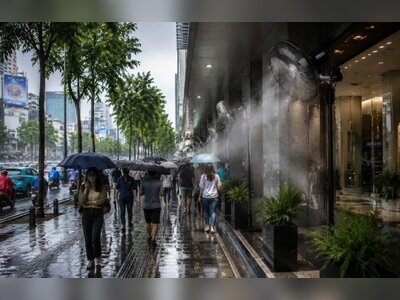
Climate analysts now warn that the country could face simultaneous drought and flood conditions in different regions due to increasingly erratic weather patterns.
Some projections indicate rainfall could fall below long-term averages this year even as severe storm events remain possible.
That combination creates a difficult policy challenge.
Farmers require water storage and irrigation during dry periods, but authorities must also manage flood runoff during intense rainfall events.
Thailand’s aging water infrastructure, fragmented management systems and uneven regional investment have long complicated those efforts.
Dhanin also tied the water issue to technology adoption.
He called for greater use of artificial intelligence, automation and logistics integration in farming and food production.
CP Group has already expanded technology-driven agricultural operations domestically and abroad, including automated systems, smart logistics and data-assisted farming.
The proposal goes beyond irrigation canals and reservoirs.
Dhanin advocated for “agro-industrial estates” that combine farming, processing, logistics and distribution in integrated zones.
The idea is to reduce transport costs, increase value-added production and keep more income within rural economies instead of exporting low-margin raw commodities.
This reflects a deeper concern inside Thailand’s business establishment: the country risks being trapped between lower-cost manufacturing economies and more technologically advanced regional competitors unless productivity rises substantially.
Agricultural modernization is increasingly being framed not simply as rural policy but as national competitiveness policy.
The timing is politically significant.
Prime Minister Anutin has begun direct consultations with major Thai business leaders amid warnings of economic turbulence tied to global conflicts, trade disruptions and energy-market instability.
The government is attempting to balance short-term drought management with longer-term growth planning at a moment when Thailand’s export economy faces external pressure from slowing global demand and geopolitical fragmentation.
Water management has therefore become more than an environmental issue.
It now sits at the intersection of inflation, food prices, industrial planning, rural inequality and climate adaptation.
Failure to stabilize water access could weaken rice production, increase food volatility and deepen income disparities between urban and rural Thailand.
At the same time, large-scale irrigation expansion carries its own challenges.
Reservoir construction, land use conflicts, environmental impacts and financing constraints have historically slowed many projects.
Thailand also faces institutional fragmentation between ministries, regional authorities and water-management agencies.
Still, momentum behind the issue is building because the economic logic is increasingly difficult to ignore.
Climate volatility is making rain-dependent agriculture more financially unstable, while demand for secure food supply chains is rising across Asia.
The immediate next step is likely to be intensified government coordination around drought preparation and irrigation planning during the current weather cycle.
The broader shift is already visible: Thailand’s corporate and political leadership is beginning to treat water infrastructure as a core strategic investment tied directly to national economic resilience.
Dhanin’s intervention comes as Thailand faces mounting concern over drought risk linked to a possible El Niño cycle, weakening water reserves outside major irrigation zones and growing fears that climate volatility could undermine agricultural output, rural incomes and export competitiveness.
His argument is straightforward: Thailand already possesses strong agricultural fundamentals, but inconsistent access to water is suppressing productivity across large sections of the country.
At a high-level government-business meeting in Bangkok this week, Dhanin told Prime Minister Anutin Charnvirakul and senior officials that agriculture remains Thailand’s most underused strategic asset.
He described food production as “above-ground oil”, arguing that water systems, reservoirs and irrigation distribution networks could unlock far greater economic returns than many conventional infrastructure projects.
What is confirmed is that Thailand’s government is already escalating drought-response measures.
Multiple agencies have begun coordinating emergency water management plans, urging farmers to alter planting schedules, reduce off-season rice cultivation and prepare for lower rainfall during the second half of the year.
Authorities have identified dozens of provinces at risk of domestic or agricultural water shortages, while state water agencies are preparing contingency measures for vulnerable regions.
The economic stakes are substantial because agriculture still employs millions of Thais directly or indirectly, despite the country’s industrial expansion and tourism sector.
Thailand remains one of the world’s largest exporters of rice, poultry, sugar, cassava and processed food products.
But productivity gaps persist between irrigated and non-irrigated farming areas, particularly in the northeast.
Dhanin’s proposal centers on a structural change in how Thailand treats rural infrastructure.
He argued that reliable water access would allow multiple planting cycles per year and sharply increase yields.
The broader implication is that Thailand could move away from low-margin commodity farming toward higher-value food production, advanced agricultural processing and export-oriented agritech.
His comments also reflect a wider strategic shift occurring across Asia, where governments and conglomerates are increasingly linking food security, climate resilience and industrial policy.
Rising geopolitical tensions, disrupted supply chains and weather instability have pushed many Asian economies to reconsider domestic production capacity in energy, food and strategic materials.
Thailand’s vulnerability is particularly acute because its agricultural system depends heavily on seasonal rainfall outside major central plain irrigation networks.
Climate analysts now warn that the country could face simultaneous drought and flood conditions in different regions due to increasingly erratic weather patterns.
Some projections indicate rainfall could fall below long-term averages this year even as severe storm events remain possible.
That combination creates a difficult policy challenge.
Farmers require water storage and irrigation during dry periods, but authorities must also manage flood runoff during intense rainfall events.
Thailand’s aging water infrastructure, fragmented management systems and uneven regional investment have long complicated those efforts.
Dhanin also tied the water issue to technology adoption.
He called for greater use of artificial intelligence, automation and logistics integration in farming and food production.
CP Group has already expanded technology-driven agricultural operations domestically and abroad, including automated systems, smart logistics and data-assisted farming.
The proposal goes beyond irrigation canals and reservoirs.
Dhanin advocated for “agro-industrial estates” that combine farming, processing, logistics and distribution in integrated zones.
The idea is to reduce transport costs, increase value-added production and keep more income within rural economies instead of exporting low-margin raw commodities.
This reflects a deeper concern inside Thailand’s business establishment: the country risks being trapped between lower-cost manufacturing economies and more technologically advanced regional competitors unless productivity rises substantially.
Agricultural modernization is increasingly being framed not simply as rural policy but as national competitiveness policy.
The timing is politically significant.
Prime Minister Anutin has begun direct consultations with major Thai business leaders amid warnings of economic turbulence tied to global conflicts, trade disruptions and energy-market instability.
The government is attempting to balance short-term drought management with longer-term growth planning at a moment when Thailand’s export economy faces external pressure from slowing global demand and geopolitical fragmentation.
Water management has therefore become more than an environmental issue.
It now sits at the intersection of inflation, food prices, industrial planning, rural inequality and climate adaptation.
Failure to stabilize water access could weaken rice production, increase food volatility and deepen income disparities between urban and rural Thailand.
At the same time, large-scale irrigation expansion carries its own challenges.
Reservoir construction, land use conflicts, environmental impacts and financing constraints have historically slowed many projects.
Thailand also faces institutional fragmentation between ministries, regional authorities and water-management agencies.
Still, momentum behind the issue is building because the economic logic is increasingly difficult to ignore.
Climate volatility is making rain-dependent agriculture more financially unstable, while demand for secure food supply chains is rising across Asia.
The immediate next step is likely to be intensified government coordination around drought preparation and irrigation planning during the current weather cycle.
The broader shift is already visible: Thailand’s corporate and political leadership is beginning to treat water infrastructure as a core strategic investment tied directly to national economic resilience.